Understanding Stress
Stress is a multifaceted response to external pressures that can affect individuals on biological, psychological, and emotional levels. Biologically, stress initiates a reaction within the body known as the “fight or flight” response. This reaction is triggered by the release of hormones, such as adrenaline and cortisol, which prepare the body to confront or evade perceived threats. These physiological changes can lead to an increased heart rate, rapid breathing, and heightened alertness, all of which are essential for survival in dangerous situations.
On the psychological front, stress can manifest as anxiety, fear, or overwhelming feelings that impair a person’s capacity to function effectively. Psychologically stressed individuals may experience difficulties in concentration, decision-making, or maintaining overall mental well-being. This mental strain can create a vicious cycle, leading to heightened stress levels, increased anxiety, and subsequently, a more pronounced impact on overall health.
Emotionally, stress can be expressed through various feelings, such as frustration, irritability, or depression. Individuals under stress often display symptoms like mood swings and a reduced ability to cope with daily challenges. Recognizing these emotional responses is vital in addressing the root causes of stress.
Stress can be classified into two primary types: acute and chronic. Acute stress is typically short-term, often arising from immediate challenges such as work deadlines or family disputes, while chronic stress persists over a longer period, often resulting from ongoing issues such as financial problems or prolonged health concerns. Understanding the differences between these types of stress is critical in developing effective stress management strategies.
Recognizing the nature of stress and its varying components is crucial for effective management. When individuals understand how stress affects them physically, psychologically, and emotionally, they can implement tailored strategies to reduce its impact. This comprehension ultimately leads to improved health and well-being for those navigating stressful situations.
Identifying Stressors
Understanding personal stressors is a fundamental step in managing stress effectively. Stress can manifest in numerous ways, often driven by various external and internal factors. Some of the most common stressors include work pressures, relationship issues, and financial problems. Recognizing these stressors is crucial for individuals seeking to reduce their stress levels and improve their overall well-being.
Work-related stressors can stem from tight deadlines, demanding workloads, or conflicts with colleagues. This type of stress can significantly impact both physical and mental health, leading to burnout if not appropriately managed. On the other hand, relationship issues often arise from communication breakdowns, lack of support, or differing expectations in personal or professional relationships. Furthermore, financial problems, such as debt or job insecurity, can create a feeling of helplessness and anxiety.
To address these stressors, self-reflection and assessment techniques are invaluable. One effective method is journaling, where individuals are encouraged to write about their feelings and experiences regularly. This practice not only provides an outlet for emotions but also helps to pinpoint specific stressors in daily life. Maintaining a stress log can also contribute to this process by allowing individuals to track stress levels over time and recognize patterns related to specific situations or events. Additionally, utilizing stress inventories can further aid in identifying stress triggers. These inventories often involve answering a series of questions related to various life domains, leading to a clearer understanding of personal stress sources.
By identifying stressors through these techniques, individuals can take proactive steps towards managing their stress effectively. Developing awareness of personal stress causes allows for informed decision-making regarding coping strategies, ultimately enhancing one’s quality of life.
The Role of Mindfulness and Meditation
Mindfulness and meditation have gained considerable recognition as effective strategies for managing stress. At its core, mindfulness involves being fully present in the moment, acknowledging thoughts and feelings without judgment. This practice empowers individuals to create a gap between stimuli and response, which can significantly decrease stress levels. Being mindful allows one to observe their thoughts and feelings that often escalate anxiety, ultimately fostering a sense of calm and control.
One prevalent mindfulness practice is focused breathing, where attention is directed solely towards one’s breath. This technique encourages deep, slow breathing, activating the body’s relaxation response. By concentrating on the rhythm of inhalation and exhalation, individuals can disengage from racing thoughts, leading to a tranquil mind and reduced levels of stress. Studies have shown that regular practice of focused breathing can lower cortisol levels, a hormone often dubbed the stress hormone.
Progressive muscle relaxation (PMR) is another effective mindfulness technique that combines physical relaxation with mental focus. PMR involves systematically tensing and then relaxing muscle groups in the body, encouraging greater awareness of physical sensations and relief from stress. By alternating between tension and relaxation, individuals can cultivate a deeper understanding of where they hold stress within their bodies. Furthermore, PMR can reduce symptoms of anxiety and improve overall emotional well-being.
The integration of mindfulness practices such as focused breathing and progressive muscle relaxation into daily routines can lead to significant improvements in stress management. Regular engagement in these activities not only helps reduce anxiety but also enhances one’s overall quality of life by promoting a balanced state of mind and emotional resilience. As individuals continue to adopt mindfulness techniques, they may discover an effective path to enduring stress reduction and improved emotional health.
Physical Activity as a Stress Reliever
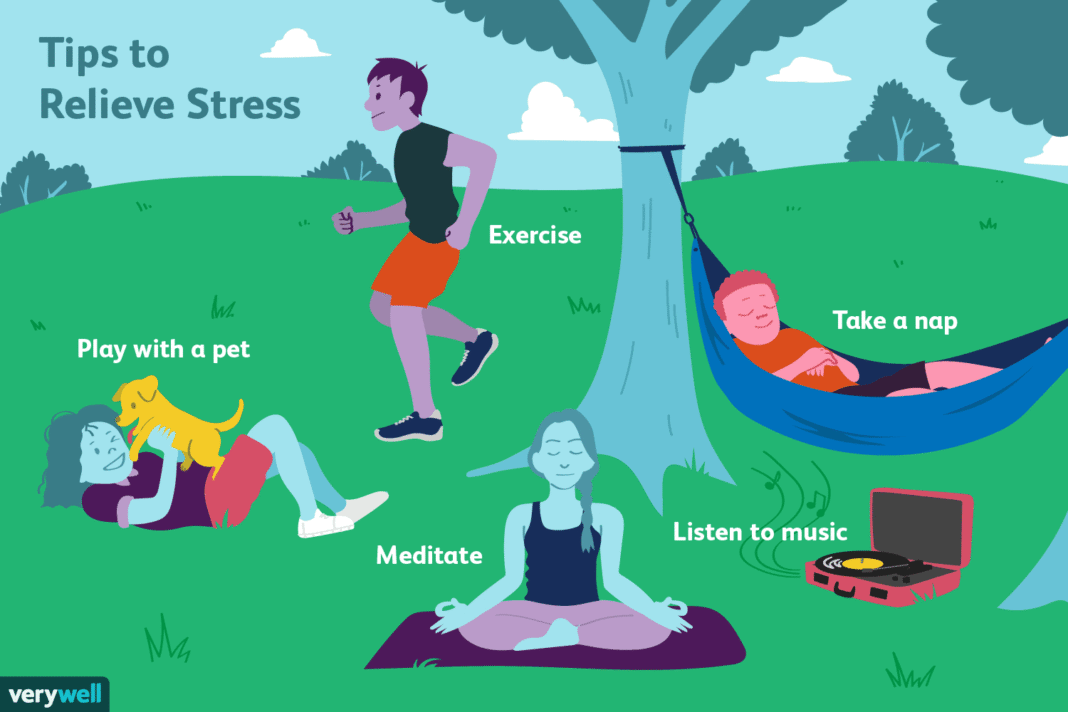
Engaging in regular physical activity is widely recognized as one of the most effective strategies for managing stress. The relationship between exercise and stress reduction has been substantiated by numerous scientific studies, demonstrating that varying forms of exercise can yield significant benefits for mental health. Aerobic workouts, such as running, cycling, and swimming, are particularly effective. These exercises stimulate the production of endorphins—natural mood lifters that can help alleviate feelings of stress and anxiety.
Additionally, activities that focus on mindfulness, such as yoga and tai chi, also play a pivotal role in stress management. These practices encourage a connection between the mind and body, promoting relaxation and reducing sympathetic nervous system activity. Yoga, for instance, combines physical movement with breath control and meditation, providing a holistic approach to combatting stress. The physical postures not only enhance flexibility and strength but also facilitate mental clarity, thereby mitigating feelings of overwhelm.
Moreover, even low-impact activities such as brisk walking can be remarkably effective in reducing stress. Walking outdoors, particularly in natural settings, can enhance mood and foster a sense of well-being. Studies have shown that individuals who incorporate regular walking into their routine report lower levels of stress and improved overall mental health. The cumulative effect of these activities not only fosters better physical health but also equips individuals with powerful tools to navigate everyday stressors.
In essence, incorporating varied forms of physical activity into one’s daily routine is instrumental in managing stress levels. Whether through intense aerobic workouts, calming yoga sessions, or simple brisk walks, exercise offers a multifaceted approach to enhancing emotional resilience and improving overall mental well-being. Embracing physical activity as a vital component of a stress management plan will lead to positive, long-lasting changes in health and lifestyle.
Healthy Eating Habits
Nutrition plays a pivotal role in managing stress levels, affecting both mood and energy. A balanced diet that includes whole foods is essential for maintaining emotional well-being. Foods rich in vitamins, minerals, and antioxidants help combat stress by supporting brain function and enhancing overall health. For instance, vegetables, fruits, whole grains, and lean proteins are fundamental components that not only provide energy but also help stabilize mental health.
Incorporating omega-3 fatty acids, found in fish, walnuts, and flaxseeds, has been shown to reduce anxiety and stress levels. Foods rich in magnesium, such as spinach and nuts, can also be effective as magnesium plays a crucial role in regulating stress hormones. Moreover, the consumption of complex carbohydrates, like oats and brown rice, can facilitate the production of serotonin, a neurotransmitter that promotes feelings of well-being and relaxation.
On the other hand, certain dietary choices can exacerbate stress. High sugar and refined carbohydrate intake can lead to spikes and crashes in blood sugar levels, resulting in mood fluctuations that may contribute to increased anxiety. Similarly, excessive consumption of caffeine, found in coffee and energy drinks, can trigger the body’s stress response, leading to heightened feelings of anxiety and restlessness. It is advisable to moderate caffeine intake and replace caffeinated beverages with herbal teas or water to enhance hydration and overall mood stability.
Ultimately, adopting healthy eating habits is a critical component of effective stress management. By focusing on a diet that emphasizes wholesome, nutrient-dense foods while minimizing processed ingredients and stimulants, individuals can significantly improve their ability to cope with stress and enhance their overall quality of life.
Building a Support Network
During times of stress, having a robust support network can significantly impact an individual’s ability to cope and navigate difficulties. This network often consists of friends, family members, colleagues, and professionals who can provide emotional assistance, practical solutions, and a sense of belonging. Studies have shown that social support can buffer against the negative effects of stress by fostering resilience and enabling healthier coping strategies.
Friends play a crucial role in one’s support system. They can provide a listening ear, a sense of purpose, and engage in activities that distract from stressors. Maintaining these relationships involves regular communication, planning social gatherings, and making an effort to check in with each other during difficult times. It is important for individuals to be proactive in reaching out and being available for friends who may also be experiencing stress.
Family can offer invaluable support, especially during significant life changes or crises. Open communication helps strengthen familial bonds, allowing for a more supportive environment. Sharing feelings and experiences can foster empathy among family members. Additionally, setting boundaries can ensure that family interactions remain constructive rather than sources of additional stress.
Professional support is another essential component of a comprehensive support network. Therapists, counselors, or support groups can impart coping mechanisms, facilitate discussions about stressors, and provide a safe space for expression without judgment. Individuals should consider engaging with mental health professionals particularly when stress becomes overwhelming or chronic.
To cultivate and maintain these relationships, actively participating in community events, joining clubs, or seeking out new connections can be beneficial. By creating a diverse network of support, individuals can better manage stress through shared experiences, advice, and collective problem-solving. Building a support network is not merely beneficial for stress management; it is essential for overall well-being.
Time Management Techniques
Effective time management is a fundamental skill that can significantly reduce stress levels. With proper planning and execution, individuals can enhance their productivity, ensuring that they can accomplish tasks without feeling overwhelmed. One of the recommended techniques is the Eisenhower Box, a tool that helps prioritize tasks based on their urgency and importance. By categorizing tasks into four quadrants—urgent and important, important but not urgent, urgent but not important, and neither urgent nor important—individuals can focus on what truly matters and allocate their time more efficiently.
Setting achievable goals is another critical strategy in effective time management. Goals should be SMART—Specific, Measurable, Achievable, Relevant, and Time-bound. This framework not only provides clarity but also facilitates progress tracking. When individuals have clear, realistic goals, they are less likely to be overwhelmed by the enormity of their tasks. Instead of attempting to tackle everything at once, break down larger goals into smaller, manageable steps that can be accomplished over time.
Learning to say no is an equally important aspect of time management that can help alleviate unnecessary stress. Many individuals struggle with this due to the fear of disappointing others or missing out on opportunities. However, understanding one’s limits and prioritizing personal well-being is essential. By saying no to non-essential commitments, one can free up time to focus on priorities that lead to meaningful progress.
Additionally, various tools and applications assist in organizing time effectively. Calendars, to-do lists, and project management software can help individuals keep track of their responsibilities and deadlines, minimizing the likelihood of last-minute stress. By integrating these time management techniques and tools into daily routines, individuals can experience a notable decrease in stress, allowing for a more balanced and fulfilling life.
Developing Healthy Coping Mechanisms
Stress management is essential for maintaining overall well-being, and developing healthy coping mechanisms can significantly enhance one’s ability to handle stress effectively. By identifying and replacing unhealthy habits with positive alternatives, individuals can foster resilience in the face of stressors.
Creative outlets, such as art and writing, are powerful tools for managing stress. Engaging in artistic activities allows individuals to express their emotions and thoughts, providing a sense of relief and accomplishment. Whether it is painting, drawing, or journaling, these creative processes can serve as constructive ways to channel feelings of anxiety or overwhelm. Moreover, they encourage mindfulness, focusing one’s energy on the present moment and potentially alleviating stress.
Incorporating social activities into one’s routine can also play a pivotal role in coping with stress. Building and maintaining relationships with family, friends, or support groups offers a significant emotional buffer against stress. Social interactions can facilitate sharing experiences and gaining perspective, which can be incredibly therapeutic. Engaging in community activities or group hobbies not only fosters connection but also cultivates a supportive environment where individuals feel understood and valued.
Lastly, seeking professional help, such as therapy, should not be overlooked as a means of managing stress. A qualified therapist can provide valuable insights and strategies tailored to an individual’s unique situation. Therapeutic practices, like cognitive-behavioral therapy, can equip individuals with effective tools to navigate stress, challenge negative thought patterns, and develop healthier coping strategies.
In conclusion, by utilizing creative outlets, fostering social connections, and considering professional assistance, individuals can develop healthy coping mechanisms that promote emotional resilience and well-being in the face of stress.
Creating a Stress Management Plan
Establishing a personalized stress management plan is a critical step in effectively addressing and reducing stress. A tailored approach considers individual triggers, coping mechanisms, and lifestyle factors, ensuring that the plan resonates with the reader’s unique circumstances. To create an effective stress management plan, begin by identifying specific stressors in daily life, which can range from work-related pressures to personal commitments.
Once stressors are identified, it is beneficial to explore various strategies discussed in this blog to find the most suitable combinations. Incorporating techniques such as mindfulness meditation, regular physical activity, and time management can form a foundation of resilience. Readers are encouraged to reflect on their personal preferences when selecting strategies; for instance, some may find solace in physical exercise while others may prefer calming activities like yoga or journaling.
The next step in constructing a stress management plan is setting achievable goals. These goals should be realistic and measurable, allowing individuals to monitor their progress. This could include committing to a specific number of exercise sessions per week or dedicating time each day for mindfulness practices. The structure of the plan should also specify how and when to implement these strategies, providing a clear framework that can facilitate adherence.
Regular reviews and adjustments to the stress management plan are essential for sustained success. Life circumstances change, and so do stressors; therefore, revisiting the plan periodically helps to ensure its ongoing relevance and effectiveness. During these reviews, one might consider whether certain strategies are no longer effective or if new techniques should be incorporated. Ultimately, a well-structured and dynamic stress management plan is key to navigating life’s challenges and maintaining emotional well-being.

