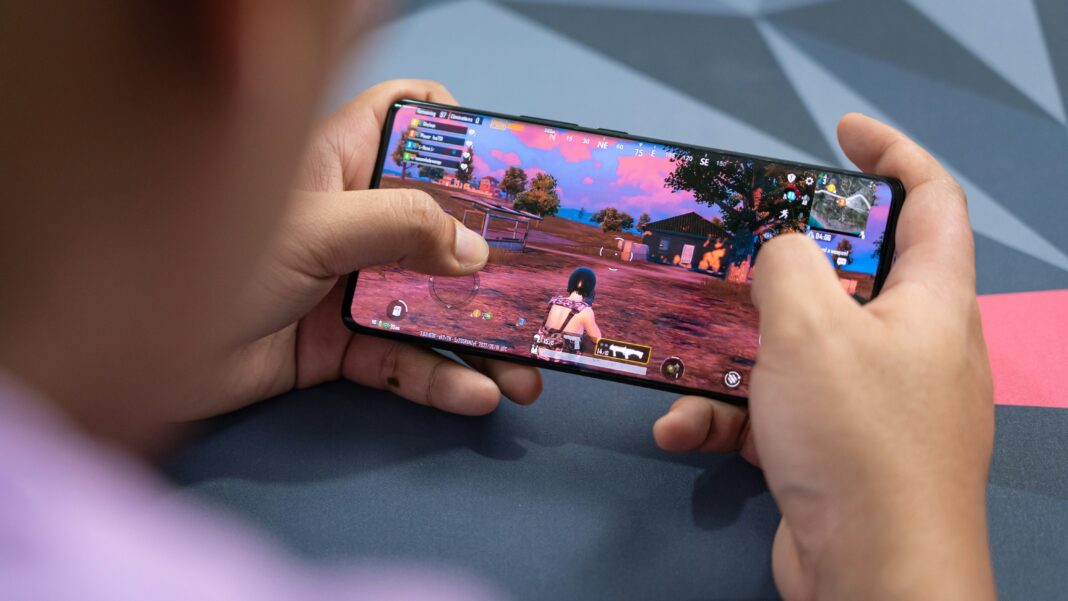
Mobile technology has transformed digital entertainment into something far more immediate and flexible than it was a decade ago. Gaming is no longer tied to specific devices or fixed locations. Instead, players now expect experiences that move with them throughout the day, adapting naturally to different environments and routines.
Smartphones and tablets have become central to this shift. Faster processors, stronger connectivity, and more responsive interfaces allow games to feel smoother, quicker, and more immersive across mobile platforms. What once felt limited to desktop systems can now function seamlessly through handheld devices.
As mobile technology continues evolving, it is reshaping how players discover, access, and interact with digital games. From accessibility and responsiveness to personalization and content discovery, mobile innovation is now driving many of the changes shaping the future of digital gaming.
Mobile Accessibility Is Expanding How People Play
Accessibility has become one of the biggest advantages mobile technology brings to gaming. Players are no longer restricted to a single location or device when engaging with digital entertainment. Mobile access allows gaming experiences to fit more naturally into everyday routines.
This flexibility changes how players approach gaming sessions. Instead of planning around dedicated play periods, users can engage during shorter moments throughout the day, whether they are commuting, relaxing at home, or taking breaks between activities. Gaming becomes easier to integrate into modern lifestyles.
Mobile devices also reduce barriers to entry. Smartphones and tablets are already part of daily life for most users, which makes mobile gaming feel more approachable and immediate. Players can access entertainment quickly without needing specialized hardware or complicated setup processes.
As accessibility improves, gaming reaches broader audiences with different schedules and preferences. The ability to engage from almost anywhere has helped mobile gaming become one of the most influential parts of modern digital entertainment.
Performance Now Matters as Much as Accessibility
Performance plays a major role in shaping how engaging mobile gaming feels. Faster processors, improved graphics systems, and stronger internet connectivity all contribute to smoother experiences that feel more responsive and immersive than earlier generations of mobile gaming.
Quick loading times and seamless transitions help maintain momentum throughout gameplay. Delays and interruptions can easily weaken immersion, so modern mobile systems focus heavily on reducing friction between actions and responses. The result feels faster and more fluid overall.
Responsive controls also improve engagement. Touch interactions, motion feedback, and optimized interfaces create experiences that feel closely connected to player input. This responsiveness strengthens the relationship between action and outcome, which keeps the interaction feeling active and immediate.
As mobile hardware continues advancing, expectations surrounding performance continue rising as well. Players increasingly expect mobile experiences to deliver the same level of responsiveness and visual quality once associated mainly with larger gaming systems.
Faster Mobile Access Is Accelerating Game Discovery
Mobile technology has dramatically changed how players discover digital games. App stores, recommendation systems, and personalized browsing interfaces allow users to explore large gaming libraries quickly without needing extensive searches or complicated navigation.
This faster discovery process encourages experimentation. Players can browse, install, and try different titles within minutes, which makes gaming ecosystems feel more active, flexible, and constantly refreshed.
The same shift can be seen across online casino platforms, where players can discover new slot games through personalized recommendations, faster browsing systems, and continuously updated gaming libraries. This constant visibility helps newer titles reach audiences more quickly while giving players more opportunities to explore fresh experiences.
Presentation also plays an important role in discovery. Highlighted categories, curated recommendations, and visually organized interfaces guide player attention toward different games naturally. These systems simplify navigation while maintaining engagement across large content libraries.
Gaming Platforms Are Becoming More Personalized
Personalization has become increasingly important in digital entertainment, and mobile technology helps make these systems more adaptive and responsive. Modern gaming platforms often analyze user behavior to shape recommendations, interface layouts, and content visibility around individual preferences.
This creates experiences that feel more tailored to each player. Instead of navigating the same static environment repeatedly, users encounter gaming spaces that gradually adapt to how they interact with the platform over time. The experience becomes smoother and more intuitive, especially when menus, saved activity, suggested content, and customized promotions align with how someone already prefers to play across different sessions.
Notifications, saved preferences, and personalized recommendations also strengthen continuity between sessions. Players can return to experiences that already feel familiar and are organized around their interests, reducing friction while maintaining engagement.
As personalization tools become more advanced, mobile gaming environments are likely to feel even more adaptive in the future. These systems help platforms maintain relevance by making digital entertainment feel increasingly connected to individual habits and preferences.
Why Mobile Gaming Continues to Shape Digital Entertainment
Mobile gaming continues to influence digital entertainment because it aligns closely with how modern audiences interact with technology overall. People increasingly expect entertainment that feels accessible, responsive, and flexible enough to move with them throughout the day.
Accessibility, performance, personalization, and faster discovery systems all contribute to this shift. Mobile platforms allow gaming experiences to feel more immediate and adaptable, which strengthens engagement across different environments and routines.
As technology continues evolving, mobile gaming will likely remain central to the future of digital entertainment. Faster systems, improved connectivity, and more adaptive platforms will continue shaping how players interact with games across increasingly connected digital spaces.

