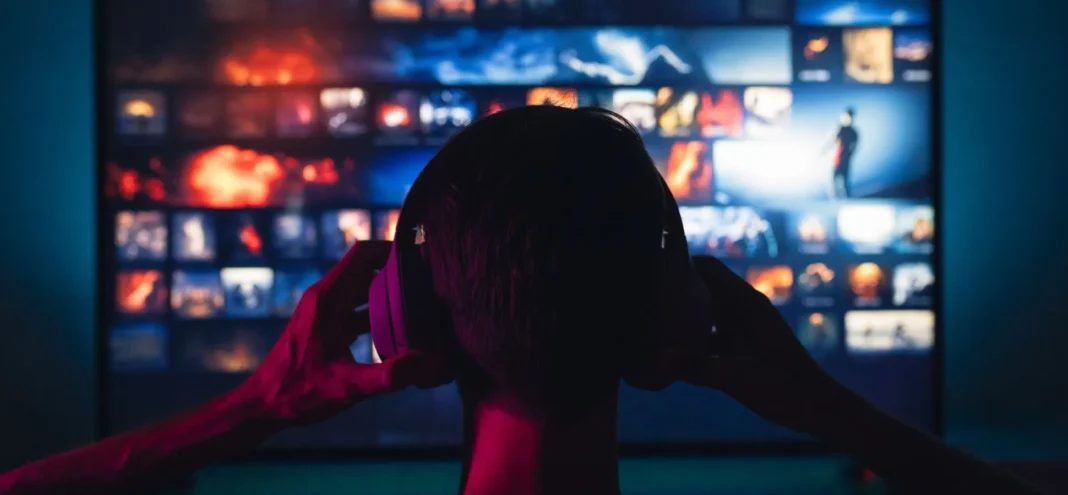
Understanding Streaming Services
Streaming services represent a significant transformation in the way we consume media, moving away from traditional broadcast and physical media formats toward a more digital, on-demand model. At its core, streaming involves the delivery of audio and video content over the internet in real-time, allowing users to watch movies, television shows, and listen to music without the need for downloads or physical media. This shift has largely been attributed to advancements in internet technology and increases in bandwidth, making high-quality streaming accessible to a wider audience.
The origins of prominent streaming platforms such as Netflix, Hulu, and Amazon Prime Video can be traced back to the early 2000s. Initially, Netflix operated as a DVD rental service but quickly transitioned to an online streaming model around 2007, marking a watershed moment in media consumption. Hulu followed suit, introduced in 2008, aiming to provide access to current and archival episodes of popular television shows. Amazon Prime Video, launched in 2006, further diversified the landscape by offering both purchased and subscription-based content. The emergence of such platforms has fundamentally altered the entertainment industry, promoting a subscription model that emphasizes accessibility and an expansive library of content.
Unlike conventional media formats that often required appointments to view specific programs on designated channels, streaming services empower consumers with unprecedented choice and flexibility. Users can curate their viewing experiences, binge-watch entire seasons, and access content across a plethora of devices, from smartphones to smart TVs. This change not only enhances the user experience but also caters to the demand for instant gratification in an increasingly fast-paced world. As technology continues to evolve, streaming services are poised to solidify their dominance in the entertainment landscape, further shaping how audiences engage with media.
The Shift from Cable to Streaming
The landscape of entertainment has significantly evolved over the past decade, marked by a pronounced shift from traditional cable television to streaming services. This transformation stems from a multitude of factors, predominately influenced by the ever-changing consumer behavior and preferences. The accessibility and convenience of on-demand content avail a more appealing alternative to cable packages that often come with high costs and rigid schedules.
Television viewers now favor the flexibility that streaming platforms offer, allowing them to watch their favorite shows and films at any time and from virtually any device. Consequently, the demand for traditional cable has diminished as audiences actively seek more personalized viewing experiences. Data shows that a growing number of households are electing to “cut the cord,” indicating a tangible trend away from cable subscriptions.
Additionally, streaming services have strategically adapted their offerings to accommodate the shifting tastes of modern viewers. With the introduction of binge-watching, which is made possible through the release of entire seasons at once, streaming platforms have created a culture where audiences can immerse themselves fully in narratives without waiting for weekly episodes. Moreover, the diversity of content tailored to niche audiences further enhances the appeal of streaming services, making them a favorable choice over conventional television programming.
In essence, the decline of cable television is emblematic of a wider realization among consumers about their viewing preferences, which increasingly favor convenience, flexibility, and customizability. This transition not only shapes the consumption patterns of entertainment but also pushes cable providers to rethink their service offerings, urging them to innovate their model or risk obsolescence in an era dominated by streaming services.
Impact on Content Creation and Distribution
The advent of streaming services has fundamentally transformed the landscape of content creation and distribution. With platforms like Netflix, Amazon Prime Video, and Hulu taking the lead, we have witnessed a significant rise in original programming that reshapes how audiences consume media. Streaming services have not only invested heavily in producing exclusive content but also shifted the focus towards diverse storytelling that appeals to a broad range of audiences. This has encouraged creators to explore unconventional narratives and genres, thereby enriching the entertainment ecosystem.
Moreover, streaming services have democratized content creation, allowing independent filmmakers and new creators to gain visibility without the backing of traditional studios. With the ease of accessibility to publish content online, even niche genres and projects that might have been overlooked by major networks can find their audience. This phenomenon not only empowers creators, but fosters a vibrant community of storytellers, contributing to the richness of global entertainment.
As a consequence, traditional studios and networks are compelled to adapt to this new digital landscape. The heightened competition has led to an increase in streaming subscriptions and viewership, causing established entities to rethink their distribution strategies. Many have started to invest in their own streaming platforms or forge partnerships with existing services to keep pace with consumer behavior. The priority now lies in creating compelling content that engages viewers while ensuring content distribution aligns with changing consumption habits.
This transformation has elicited numerous implications for the traditional entertainment industry, from altering audience expectations to redefining the economics of television and film production. As streaming services continue to influence content dynamics, one can only anticipate further evolution in the ways media is crafted and consumed.
Changing Viewer Habits and Experiences
The advent of streaming services has redefined viewer habits and experiences significantly, marking a departure from traditional television consumption. One of the most notable trends is the phenomenon of binge-watching, where viewers engage with multiple episodes or entire seasons of a show in one sitting. This practice has been fueled by the availability of entire series at one’s fingertips, allowing audiences to immerse themselves in narrative arcs without interruption. As a result, streaming platforms have tailored their content strategies to cater to this behavior, often releasing entire seasons simultaneously to maximize viewer engagement and satisfaction.
Moreover, the individualized viewing experience has become a hallmark of streaming services. Unlike conventional television that offers a fixed schedule, these platforms empower viewers to watch content according to their preferences and timelines. This has led to a more personalized approach to media consumption, where users curate their own watchlists and receive tailored recommendations based on past viewing behavior. Such customization enhances audience investment in content and fosters a deeper connection between the viewer and the material.
The rise of mobile streaming has further transformed how audiences consume media. With the proliferation of smartphones and tablets, viewers are no longer confined to their living rooms. Streaming applications enable people to watch films and series on-the-go, accommodating busy lifestyles and diverse viewing environments. This shift has resulted in an increase in overall engagement, as viewers can now enjoy their favorite entertainment during commutes, breaks, or while traveling. The implications of these evolving habits extend beyond mere consumption patterns; they shape the entire entertainment industry, pressuring content creators to adapt to these new audience expectations.
Global Accessibility and Diverse Content
Streaming services have revolutionized the consumption of entertainment by breaking geographical barriers and providing global accessibility. This shift has dramatically changed the way audiences engage with content, allowing individuals from various corners of the world to access a wide array of films and television series. As a result, international streaming platforms have fostered cultural exchange by making diverse content readily available to viewers who may not have had exposure to it otherwise.
In particular, platforms like Netflix, Amazon Prime Video, and Disney+ have expanded their offerings beyond traditional Western narratives, significantly incorporating non-Western films and series into their catalogs. This development is essential in promoting representation and broadening the perspectives available to audiences. By doing so, these streaming services not only highlight the rich tapestry of global storytelling but also cater to the interests of diverse demographic groups, recognizing that entertainment preferences are not uniform.
The ability to easily access subtitled or dubbed content in various languages has also encouraged viewers to engage with foreign films and series, further enhancing their understanding of different cultures. This integration of global content helps to dismantle preconceived notions and biases, fostering a more inclusive viewing experience. Additionally, many streaming platforms are investing in original programming that showcases stories and talent from underrepresented communities, amplifying voices that have historically been marginalized in mainstream media.
In this way, streaming services have become instrumental in changing the landscape of entertainment. They allow for a more extensive exploration of diverse narratives and perspectives, paving the way for greater cultural appreciation and fostering a global community of viewers who share a common love for storytelling, regardless of geographical origin.
Monetization Models and Economic Impact
The evolution of streaming services has introduced various monetization models that have significantly altered the landscape of the entertainment industry. The most prominent models include subscription-based, ad-supported, and transactional options, each influencing the economic dynamics in unique ways.
Subscription-based models, exemplified by platforms like Netflix and Hulu, provide users with uninterrupted access to content for a monthly fee. This model fosters a steady revenue stream, allowing content providers to invest heavily in original programming and licensed content. Such investment enhances the consumer’s viewing experience and contributes to a diverse content library, appealing to a wider audience. Furthermore, this model promotes consumer loyalty, as subscribers are less likely to switch platforms when they are satisfied with the offerings.
In contrast, ad-supported models, such as those employed by platforms like YouTube and Peacock, allow users to access content for free in exchange for viewing advertisements. This model can ultimately lead to higher audience engagement and reach, but requires a careful balance to maintain user satisfaction. Advertisers benefit from tailored ad placements based on data-driven insights, which can optimize their marketing spend while ensuring content remains accessible.
Transactional models, which include services like Amazon Video Rentals, allow consumers to pay for individual pieces of content without a long-term commitment. This model appeals to users who prefer flexibility and want to avoid subscription fatigue. The challenge, however, lies in creating enticing pricing structures that attract viewers while ensuring content creators receive fair compensation.
Overall, these monetization strategies impact pricing structures and competition within the entertainment industry. The proliferation of streaming services has not only reshaped consumer habits but also instigated a competitive environment where quality and accessibility are paramount. Industry stakeholders must continuously adapt to these evolving models to stay relevant and meet consumer expectations.
Challenges Faced by Streaming Services
In the rapidly evolving entertainment landscape, streaming services encounter a myriad of challenges that threaten their sustainability and growth. One of the most pressing issues is market saturation. With an increasing number of platforms entering the space, subscribers are faced with a plethora of options, leading to subscription fatigue. This saturation means that established services must continually seek innovative ways to retain their user base while also attracting new customers.
Content licensing issues further complicate the situation for streaming platforms. Securing rights to popular content is vital, yet it often involves complex negotiations with studios and distributors. The need for exclusive rights to lucrative shows and films can significantly increase operational costs. Furthermore, the reliance on third-party content leaves these services vulnerable to abrupt changes in availability, which can frustrate users, prompting them to consider alternatives.
The battle against piracy remains another significant hurdle for streaming services. Despite implementing various security measures, content piracy persists as a major concern. Unauthorized access to copyrighted material undermines revenue streams and can deter content creators from entering the platform, fearing financial losses due to pirated content. As a result, platforms must consistently innovate their security protocols while also improving user experience to combat this issue effectively.
In this continually shifting media landscape, the need for innovation is paramount. Streaming services must explore new technologies, such as enhanced user interfaces and personalized content recommendations, to differentiate themselves from competitors. Additionally, engaging in original content production can provide a unique selling point that attracts subscribers while reducing dependence on external content providers.
Future Trends in Streaming Services
The landscape of entertainment is continuously evolving, primarily driven by advancements in technology. As we look ahead, several key trends are emerging that promise to reshape the future of streaming services. One of the most significant influences likely to drive change is artificial intelligence (AI). Streaming platforms are already employing AI to analyze viewer preferences and provide personalized content recommendations. Moving forward, AI could play an even more prominent role in content creation, automating aspects such as scriptwriting, editing, and audience targeting to enhance viewer engagement.
Another promising avenue is the integration of virtual reality (VR) and augmented reality (AR). As these technologies develop, they have the potential to transform the way audiences consume media. Imagine experiencing a film as if you were part of its narrative, interacting with characters and environments in real-time. This immersive storytelling could attract a broader viewer base, expanding the definition of entertainment beyond passive consumption. Additionally, live events such as concerts or sports could provide unique, shared experiences through virtual platforms, allowing people from different geographical locations to engage simultaneously.
Moreover, as 5G technology becomes more mainstream, streaming services will likely benefit from increased bandwidth and reduced latency. This improvement will allow for higher quality streaming, including 4K and even 8K video and seamless interaction in VR environments. As accessibility improves and costs decrease, viewers may experience content delivery in more innovative formats such as interactive narratives, where choices influence plot outcomes, enhancing user engagement and satisfaction.
Overall, the convergence of AI, VR, and improved connectivity will shape a future where streaming services continue to innovate, offering more personalized and immersive experiences that redefine how we interact with media. The entertainment sector is set for an exciting evolution, paving the way for viewers to enjoy content that is both entertaining and interactive.
Conclusion: The Lasting Influence of Streaming
The rise of streaming services has undeniably transformed the entertainment landscape, creating a paradigm shift in how audiences engage with media. In recent years, platforms such as Netflix, Amazon Prime Video, Hulu, and others have drastically altered viewing habits, making it possible for consumers to watch content on-demand, without the constraints of traditional broadcasting schedules. This change has cultivated a more personalized viewing experience, enabling audiences to select what they want to watch, when they want to watch it.
This empowerment of the viewer not only reflects a change in consumption patterns but also promotes a diverse range of content. With streaming services investing heavily in original programming, niche genres have found homes in platforms that might have overlooked them in a more traditional media environment. This accessibility has broadened the horizons for both creators and viewers, leading to an explosion of creativity and innovation in storytelling.
Moreover, the global reach of streaming services has contributed to the democratization of content distribution. Independent creators and international productions can now access global audiences, cultivating an understanding of diverse cultures through entertainment. As technology continues to advance, it is likely that streaming will evolve further, bringing new capabilities and experiences to the forefront.
Looking ahead, the influence of streaming services on the entertainment industry remains profound. As consumer preferences shift and new platforms emerge, the competition will only intensify, pushing for better quality and more varied content. The potential for interactive viewing experiences and the integration of emerging technologies such as virtual reality paints an exciting picture for the future of entertainment. As we embrace this transition, it is clear that streaming is not merely a trend but a foundational element shaping the future of how we consume media.

