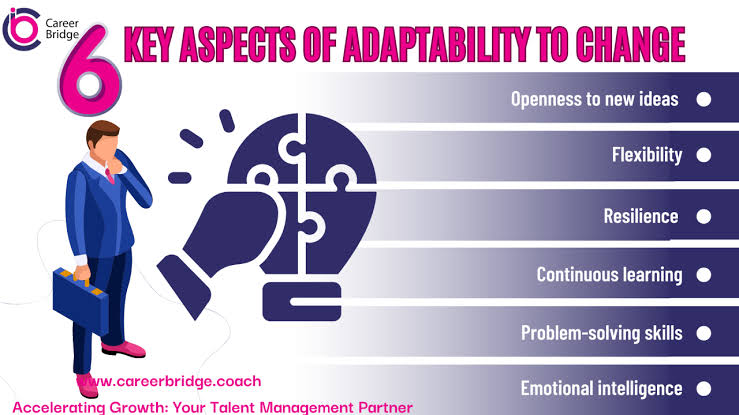
Understanding Change
Change is an inherent aspect of both personal and professional lives, impacting individuals and organizations alike. Its inevitability is rooted in the constant evolution of circumstances, experiences, and environments. Embracing change is crucial for fostering growth, adaptability, and resilience in the face of life’s uncertainties.
Change manifests in various forms, ranging from life transitions, such as moving to a new city, starting a new job, or adjusting to parenthood, to broader societal shifts influenced by technological advancements or economic fluctuations. In an organizational context, change may involve restructuring, policy implementation, or shifts in leadership. Each scenario presents unique challenges and opportunities for growth.
Understanding the psychological impacts of change is fundamental to adapting successfully. Individuals may experience a range of emotions, including anxiety, excitement, or uncertainty, in response to change. These emotions are a natural part of the transition process. Recognizing and addressing these feelings can aid in navigating change more effectively.
Moreover, people’s responses to change can vary significantly based on personality, past experiences, and support systems. Some may embrace change eagerly, while others may resist it, posing challenges for both individuals and organizations. Therefore, it is essential to cultivate an environment that encourages open communication, resource availability, and emotional support during periods of change.
Ultimately, adapting to change requires a comprehensive understanding of its nature and implications. By acknowledging the various forms of change and their psychological impacts, individuals can better prepare themselves for transformative experiences, fostering a proactive stance towards the inevitable alterations in their lives.
The Importance of Adaptability
In today’s fast-paced environment, the ability to adapt to change has emerged as a critical skill. As industries evolve and societal norms shift, individuals who possess adaptability are better equipped to navigate these transitions. This capacity for adjustment is not merely a reactive measure; it represents a proactive stance towards personal and professional growth.
One of the key benefits of being adaptable is the enhancement of problem-solving skills. When confronted with new challenges, adaptable individuals can assess situations from multiple perspectives, allowing them to devise innovative solutions that might not be evident to others. This agility in thinking fosters creativity, enabling individuals to explore various approaches rather than relying on traditional methods. As a result, adaptable people often stand out in the workplace, as they can pivot their strategies effectively in response to changing circumstances.
Moreover, adaptability plays a significant role in building resilience. In the face of adversity, those who can adjust their mindset and strategies tend to recover more swiftly. They view challenges not as insurmountable obstacles, but as opportunities for growth and learning. This positive outlook helps to mitigate stress and anxiety, promoting overall mental well-being and enabling individuals to maintain productivity under pressure.
The correlation between adaptability and success is profound. Research indicates that adaptable individuals are more likely to embrace the unknown and seek out new opportunities. They tend to be more satisfied in their careers and personal lives due to their willingness to embrace change. By cultivating adaptability, one positions themselves for long-term achievement, as they can navigate the evolving landscape of modern life with confidence and foresight.
Common Reactions to Change
Change, whether it is personal, professional, or societal, often elicits a variety of emotional and psychological responses. Individuals may experience resistance, denial, fear, and confusion as they navigate through new circumstances. These reactions are not only common but are also deeply rooted in human psychology.
Resistance is perhaps one of the most prevalent responses to change. It often manifests as a direct opposition to new ideas or processes. This defensive mechanism can arise from a fear of losing control or the comfort of the familiar. People may cling to old habits or routines, perceiving them as more secure than uncertain new alternatives. This resistance can significantly hinder progress and adaptation, making it crucial for individuals to recognize and address these feelings proactively.
Denial is another common reaction. It involves refusing to acknowledge the changes taking place, which can serve as a temporary coping strategy. Individuals in denial might convince themselves that the changes will not affect them or that the situation is not as dire as it appears. Unfortunately, this avoidance can lead to unpreparedness, further complicating an individual’s adjustment process when the reality of change inevitably sets in.
The fear of the unknown is a natural reaction that encapsulates a range of emotions, including anxiety and apprehension. When faced with change, individuals may worry about potential negative outcomes, which can overshadow potential benefits. This fear can create a significant psychological barrier, obstructing one’s ability to embrace change. Additionally, confusion often arises as individuals grapple with new information and adjusting to altered circumstances; this can delay decision-making and proactive engagement with new initiatives.
Understanding these common reactions is vital for personal development and effective adaptation. By acknowledging and addressing these feelings, one can better navigate the complexities of change, transforming potential challenges into opportunities for growth.
Strategies for Embracing Change
Adapting to change can often present challenges, but embracing it with the right strategies can transform these challenges into opportunities for growth. Firstly, developing a positive mindset is critical. A positive outlook allows individuals to view change not merely as an obstacle but as a valuable chance for personal and professional development. By focusing on the potential benefits that change can bring, individuals can reduce anxiety and foster resilience.</p>
Setting realistic goals also plays a significant role in the adaptation process. It is essential to break down these goals into manageable steps. By doing so, individuals can create a structured approach to change, making the process less daunting and more attainable. This approach encourages a sense of accomplishment as each small goal is met. Moreover, aligning goals with personal values ensures that the process remains meaningful, motivating individuals to engage fully with the change rather than resist it.</p>
Being proactive in seeking information is another effective strategy. Gathering knowledge about the change at hand empowers individuals to navigate transitions more effectively. This might involve researching the implications of the change, understanding the new circumstances, or seeking advice from others who have faced similar situations. Knowledge is a powerful tool that can dispel fears related to uncertainty, equipping individuals with the confidence needed to tackle change head-on.</p>
Finally, reframing one’s view of change can facilitate a smoother transition. Instead of perceiving change as a threat, viewing it as an opportunity opens up new possibilities for growth and innovation. This shift in perspective emphasizes adaptability and encourages a proactive approach to dealing with new realities. By employing these strategies, individuals can cultivate a more resilient mindset that embraces change gracefully and successfully.
Building Resilience in the Face of Change
Resilience is a vital skill for anyone looking to adapt successfully to change. It reflects an individual’s ability to bounce back from adversity, maintain mental well-being, and find growth amidst challenging circumstances. When faced with change, whether personal or professional, building resilience can help individuals navigate uncertainties with confidence and clarity.
One effective strategy for enhancing resilience is through stress management techniques. Implementing practices such as mindfulness, meditation, or deep breathing exercises can significantly lower stress levels, allowing for a clearer mind and improved focus. These techniques train the mind to remain calm during periods of change, fostering a more adaptable attitude. Regular physical exercise also plays a crucial role in stress reduction, as it releases endorphins that contribute to a more positive outlook on life.
Another important aspect of resilience is establishing strong support systems. Surrounding oneself with friends, family, or colleagues who provide encouragement and understanding is essential. Building a network can offer additional perspectives, accountability, and motivation, all of which contribute to an individual’s ability to cope with change effectively. Sharing experiences and challenges with others can alleviate the sense of isolation often felt during turbulent times.
Maintaining a balanced perspective is also critical when adapting to change. This involves recognizing that change can bring both challenges and opportunities. By training oneself to focus on the potential positive outcomes rather than solely on the negatives, individuals can cultivate a more optimistic view. Engaging in self-reflection and goal-setting can further assist in solidifying a balanced perspective, enabling individuals to track their progress and remain focused on the future.
Lastly, during times of change, the importance of self-care cannot be overstated. Prioritizing one’s physical and mental health through adequate rest, nutrition, and leisure activities creates a solid foundation from which resilience can grow. When individuals are in good health, their capacity to manage stress and adapt to new situations naturally increases, making the process of change much smoother.
Seeking Support During Transitions
In any significant life transition, the importance of seeking support cannot be overstated. Change can often bring about a myriad of emotions, ranging from excitement to anxiety. During these times, reaching out to a network of supportive individuals can make a tangible difference in one’s ability to adapt. Friends and family often provide a sense of security and comfort, as they understand your personal history and can offer encouragement tailored to your unique situation. Additionally, discussing changes with loved ones can help clarify one’s thoughts and feelings, making the transition feel less daunting.
Furthermore, mentors and colleagues in professional settings also play a crucial role during periods of change. They can offer guidance based on their own experiences and share strategies that have proven effective. This type of support not only helps in navigating the change but also aids in developing resilience and confidence. These relationships often foster a sense of belonging, which is essential during any transition.
In some cases, professional counseling may be beneficial, especially if the changes are overwhelming. A trained professional can provide tools and coping mechanisms to effectively deal with the stress that often accompanies significant life alterations. They can help identify patterns of thought and behavior that may hinder the adaptation process, offering fresh perspectives.
Building a support network is a proactive approach to managing change. Establishing connections with various individuals can create a robust framework for assistance, making the adaptation process smoother and more manageable. Actively seeking out and fostering these relationships is a vital step in navigating transitions successfully.
The Role of Communication in Navigating Change
During periods of change, effective communication plays a pivotal role in ensuring a smooth transition. Whether within an organization or a personal context, clear communication can significantly mitigate misunderstandings that often arise in uncertain situations. When individuals clearly articulate their needs and feelings, it fosters an environment of transparency that is essential for collaboration and teamwork during transitions.
Firstly, open lines of communication can reduce anxiety among team members. By sharing updates regarding changes, whether they pertain to company restructuring, new policies, or even personal life transitions, individuals feel more engaged and less threatened by the unknown. This sense of involvement not only helps to build trust but also encourages people to voice their concerns or suggestions, which can lead to innovative solutions.
Furthermore, fostering an atmosphere where communication is prioritized encourages feedback. Creating forums for discussion, whether through meetings, surveys, or informal check-ins, provides the opportunity for individuals to express their thoughts. This feedback loop is crucial as it not only allows leaders to gauge sentiments but also validates the experiences of those affected by the change.
To enhance communication during transitions, individuals should make a deliberate effort to practice active listening. By genuinely engaging with others’ perspectives, one demonstrates respect and empathy, which are vital in maintaining morale. Additionally, utilizing clear and concise language when discussing changes can further ensure that everyone understands the implications and expectations involved.
In conclusion, the significance of communication during times of change cannot be overstated. By fostering an environment of open dialogue, organizations and individuals can navigate transitions more effectively, reducing anxiety and enhancing collaboration among all parties involved.
Learning from Change Experiences
Change is an inevitable part of life, and how we respond to it can significantly influence our personal and professional growth. Engaging in reflection is a crucial practice that allows individuals to assess their past experiences with change. By evaluating what worked well and what did not, one can glean valuable insights that will inform future adaptations. This process is essential not only for personal development but also for fostering a more resilient mindset.
One effective strategy to facilitate this reflection is to maintain a reflective journal. Keeping a journal provides a dedicated space for individuals to articulate their thoughts, feelings, and observations about the changes they have encountered. Writing regularly about these experiences encourages deeper processing and can uncover patterns or recurring themes within one’s experiences. Furthermore, reflective journaling allows individuals to track their progress over time, offering a visual representation of growth and improvement.
In addition to journaling, engaging in discussions about change can enhance learning from past experiences. Conversations with peers, mentors, or coaches can provide alternative perspectives that may not have been previously considered. Sharing experiences of dealing with change fosters a sense of community and support, which can ease the transition during challenging times. It is often through dialogue that individuals can realize commonalities in their experiences, gaining reassurance that they are not alone in navigating the complexities of change.
Ultimately, the ability to learn from past change experiences equips individuals with the tools necessary for successfully adapting to future changes. By evaluating outcomes, documenting reflections, and sharing insights with others, one becomes better prepared to approach new challenges with confidence. This proactive stance can transform the way one perceives and responds to change, ultimately leading to a more fulfilling and resilient life.
Conclusion: Embracing a Change-Oriented Mindset
In today’s dynamic world, change is an inevitable aspect of life that can evoke various responses. As we have explored throughout this blog post, developing a change-oriented mindset is essential for successfully navigating these transitions. Change presents unique challenges, yet it also offers valuable opportunities for growth and self-improvement.
By understanding the nature of change and its impacts, individuals are better equipped to respond positively. Embracing change doesn’t mean simply accepting it; rather, it involves actively seeking out the benefits that change can bring. Cultivating a proactive approach, where one remains open to new experiences and perspectives, is fundamental to adapting effectively. This adaptability fosters resilience, enabling individuals to tackle unforeseen circumstances with confidence.
Moreover, viewing change as a pathway to personal development can shift our perceptions. Recognizing that skills such as flexibility and resourcefulness are imperative in today’s fast-paced environment encourages a continuous commitment to learning. It is through this ongoing process of growth that individuals can enhance their ability to manage both minor adjustments and significant shifts in life.
Ultimately, fostering a change-oriented mindset is not merely a reactive measure; it is a strategic approach that empowers individuals to thrive amidst uncertainty. By adopting the principles of adaptability, embracing opportunities for learning, and staying open to diverse experiences, everyone can successfully navigate the complexities of change. Adapting to change, thus, becomes not just a skill but a lifelong endeavor that promotes enhanced personal and professional fulfillment.

