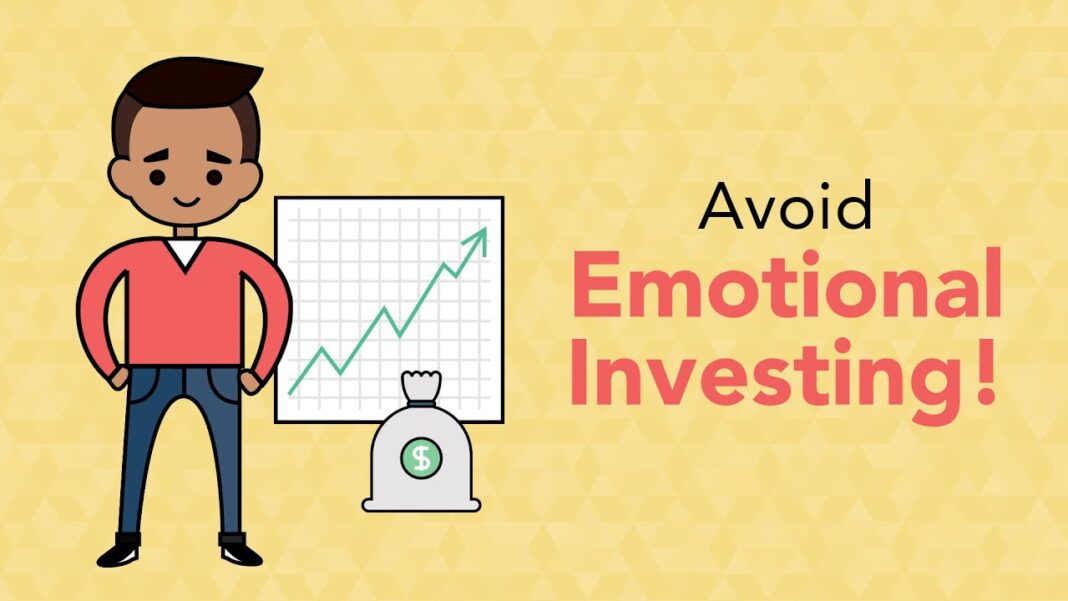
Introduction to Emotional Investment Decisions
Emotional investment decisions refer to those choices made by investors that are significantly influenced by feelings rather than rational analysis. In the world of finance, emotions like fear, greed, excitement, and regret can lead to behaviors that deviate from logical investment strategies, ultimately jeopardizing financial goals. Unlike rational investment decisions, which are typically rooted in data analysis, comprehensive research, and objective evaluations, emotional decisions arise from visceral reactions to market trends or personal experiences.
Understanding the emotional facets of investing is crucial, as these feelings can cloud judgment and trigger impulsive actions. For instance, during a market rally, investors might feel euphoric and pursue high-risk investments with the hope of capturing quick gains. Conversely, in a market downturn, the fear of losses might prompt investors to sell off their assets impulsively, even at a significant loss, rather than waiting for the market to rebound. Such emotional responses can derail a well-devised investment strategy and lead to suboptimal financial outcomes.
The critical distinction between emotional and rational investment decisions highlights the need for investors to cultivate self-awareness. By recognizing when emotions are driving their investment choices, individuals can take steps to mitigate their impact. This can involve developing a structured investment plan, setting clear financial goals, and regularly reviewing performance against those goals. Furthermore, employing strategies such as diversification and seeking advice from financial professionals can help investors remain grounded in logical analysis rather than succumbing to emotional impulses. Ultimately, understanding and addressing emotional investment decisions is fundamental to achieving long-term financial success.
Common Emotional Triggers in Investing
Investing decisions are often influenced by various emotional triggers that can lead to detrimental outcomes. Understanding these triggers is crucial for maintaining a rational approach to investing. Among the most pervasive emotional triggers are fear, greed, and panic, each capable of distorting judgment and prompting impulsive actions.
Fear is a powerful emotion in the context of investing. It can arise from market volatility, negative news, or significant economic events. For instance, during a market downturn, many investors might experience a heightened sense of fear about losing their capital. This fear can lead to impulsive decisions, such as selling off investments at a loss, in an attempt to avoid further decline. Consequently, this reaction often exacerbates the emotional turmoil and reinforces a cycle of poor decision-making.
Greed, on the other hand, can manifest when investors become overly confident in their investment strategies. This often occurs during a bull market when asset prices are rising rapidly. Investors may feel compelled to chase after high-return opportunities without conducting thorough research, motivated by the desire to maximize their profits. As a result, this can lead to overexposure to risky investments or overtrading, ultimately jeopardizing financial stability.
Panic also plays a significant role in emotional investing. This can be triggered by sudden market declines or unexpected negative news. When panic sets in, investors may make hasty decisions without considering the long-term implications of their actions. Such impulsive reactions can contribute to financial losses and undermine the potential for recovery.
Recognizing these emotional triggers is essential for investors aiming to cultivate a disciplined approach. By understanding how fear, greed, and panic can influence decision-making, investors can develop strategies to mitigate their impact and promote more rational investment choices.
The Psychological Impact of Loss Aversion
Loss aversion is a psychological phenomenon that describes individuals’ tendency to prefer avoiding losses rather than acquiring equivalent gains. This concept, popularized by behavioral economists Daniel Kahneman and Amos Tversky, suggests that the emotional pain associated with losing money is felt more acutely than the pleasure derived from gaining the same amount. As a result, investors may find themselves paralyzed by fear of loss, leading to irrational decision-making that can negatively impact their investment strategies.
The impact of loss aversion can be profound. For example, when faced with a potential loss, investors might act defensively, selling off assets at inopportune times, which may exacerbate losses rather than mitigate them. This behavior is often seen in emotional decision-making where the fear of losing money outweighs the rationale of holding onto investments for long-term growth. Consequently, such decisions can lead to inconsistent investment performance and an inability to adhere to a predetermined investment plan.
Loss aversion can also foster a phenomenon known as the sunk cost fallacy. Investors, unwilling to accept the loss of prior investments, may continue to pour money into failing assets, hoping to recover their losses instead of cutting their losses. This behavior reinforces the cycle of emotional investment decisions, plagued by an inability to detach from past choices. Ultimately, this bias can hinder one’s capacity to make rational, objective investment decisions, affecting overall portfolio performance and financial growth.
Recognizing the impact of loss aversion is an essential step for investors. By cultivating awareness around emotional responses to losses and developing strategies to mitigate this bias, investors can make more informed and rational decisions, aligning their actions with long-term investment goals rather than short-term emotional reactions.
Recognizing Emotional Investment Patterns
Understanding the emotional investment patterns that influence financial decision-making is crucial for rational investing. Recognizing these patterns begins with self-reflection, where individuals assess their emotional responses to market fluctuations, investment opportunities, and personal financial situations. Self-reflection can be achieved through journaling investment experiences or simply taking moments to contemplate feelings associated with specific investment decisions.
One common cognitive bias that often manifests during investment decisions is confirmation bias. This bias leads investors to prioritize information that aligns with their pre-existing beliefs and dismiss contrary evidence. By becoming aware of such biases, investors can encourage a more balanced perspective, thoroughly evaluating all available information before committing to a decision.
Another significant emotional aspect to watch for is loss aversion, which causes individuals to feel the pain of losses more intensely than the joy from equivalent gains. This tendency can lead to irrational decisions, such as holding onto losing investments for too long, waiting in hope of a recovery. Investors need to recognize these feelings and set predetermined criteria for selling investments based on objective factors rather than emotional impulses.
Moreover, the fear of missing out (FOMO) can drive impulsive investment choices, leading individuals to jump into trends without adequate research or at inappropriate times. Acknowledging this emotional reaction can serve as a cue for investors to pause and reassess their motivations for entering a position. Understanding these emotional triggers enables more disciplined investment strategies, ultimately fostering a healthier approach to financial decision-making.
By incorporating self-reflection and a keen awareness of cognitive biases, investors can gain better insight into their emotional investment patterns. This recognition is the first step toward making more informed, rational decisions, allowing for improved management of both emotions and investments.
Developing a Rational Investment Strategy
Establishing a rational investment strategy is essential to counteracting emotional impulses that can cloud decision-making in financial markets. A well-defined investment strategy serves as a roadmap, guiding investors through the complexities of market fluctuations and encouraging decision-making based on analysis rather than feeling.
One fundamental step in developing a rational investment strategy is to set clear goals. These goals should be specific, measurable, achievable, relevant, and time-bound (SMART). By articulating what you aim to achieve through investing—be it retirement savings, buying a home, or funding education—you can create a focused approach that minimizes the influence of emotions, such as fear or greed. For instance, if saving for retirement is a primary goal, an investor may prefer stable, long-term growth investments rather than speculative trades that might yield short-term gambles.
Conducting thorough research is another critical component of a successful investment strategy. Investors must educate themselves on market trends, financial instruments, and economic indicators. Embracing data and empirical evidence rather than relying on anecdotal information can significantly enhance decision-making. Analyze various asset classes and their historical performances to understand what might suit your risk tolerance and investment horizon.
Furthermore, diversification is a vital strategy to mitigate risks associated with emotional investing. By allocating investments across different asset classes, industries, and geographic locations, investors can minimize the potential impact of market volatility. A diversified portfolio is less likely to suffer drastic losses, thereby reducing emotional stress often tied to falling asset prices.
In conclusion, building a rational investment strategy requires clear goal-setting, comprehensive research, and diversification to mitigate emotional influences. By adhering to these principles, investors can cultivate a disciplined approach that supports their financial objectives without succumbing to the pitfalls of emotional investing.
The Role of Mindfulness in Investing
Mindfulness plays a crucial role in enhancing decision-making capabilities, particularly in the realm of investing. It involves maintaining a heightened awareness of one’s thoughts and emotions without allowing them to dictate actions. In the fast-paced world of finance, where investments can yield significant profits or losses, the ability to remain objective is essential. Emotional awareness helps investors recognize triggers that might lead to impulsive decisions, thus creating an opportunity for rational assessment instead.
One effective method to cultivate mindfulness is through meditation. Engaging in regular meditation can enhance an investor’s ability to focus, reducing anxiety and promoting clarity in thought processes. By setting aside even a few minutes each day for meditation, investors can learn to observe their emotional responses to market fluctuations, allowing them to pause before reacting. This practice encourages a state of calm and enhances the ability to view investments through a logical lens.
In addition to meditation, breathing exercises serve as another valuable technique for maintaining mindfulness. Controlled breathing not only helps reduce stress but also brings awareness back to the present moment. For instance, when faced with a sudden market downturn, taking a moment to perform deep breathing can help investors remain centered and avoid knee-jerk reactions. This technique enables individuals to respond thoughtfully rather than emotionally, fostering a more deliberate approach to investment decisions.
By integrating these mindfulness techniques into their routine, investors can mitigate the impact of emotional turmoil during decision-making processes. Ultimately, cultivating mindfulness assists in creating a more disciplined investment strategy, enabling individuals to focus on long-term goals rather than being swayed by temporary fluctuations in the market.
Utilizing Tools and Technology to Control Emotions
In the realm of investing, emotions can often lead to decisions that are not in the best interest of an investor’s financial health. To mitigate the influence of emotions on investment choices, several tools and technologies are available that can enhance disciplined investment behavior.
Investment tracking apps serve as one of the primary tools for managing emotional investment decisions. By providing real-time data and insights into portfolio performance, these applications enable investors to make informed decisions based on empirical evidence rather than emotional impulses. Investors can track their investments over time, observe trends, and analyze performance metrics, which collectively lead to a more rational approach to investing. This objective data helps in maintaining focus on long-term goals rather than succumbing to short-term market fluctuations.
Budgeting tools are also essential in promoting emotional control. These tools allow investors to create detailed financial plans that outline their investment strategies and spending habits. By establishing clear budgets and investment limits, individuals can avoid making emotional decisions in reaction to market changes. These budgets instill a sense of discipline, ensuring that each investment aligns with pre-defined goals rather than immediate emotional reactions.
Moreover, automated trading systems introduce a layer of emotional detachment in trading decisions. These systems, equipped with algorithms that execute trades based on predetermined criteria, reduce the likelihood of impulsive actions driven by fear or greed. By relying on technology to carry out trades, investors can sidestep the emotional tumult that often undermines sound decision-making during volatile market conditions.
Incorporating these tools into an investment strategy can significantly aid in promoting a disciplined approach, helping to ensure that decisions are guided by logic rather than emotional responses.
Case Studies: Successful Investors Who Stuck to Their Plans
Investing invariably carries a degree of risk, yet numerous successful investors have demonstrated how adherence to well-structured plans can lead to impressive long-term outcomes. This section will explore the strategies employed by several notable investors who effectively navigated emotional decision-making and market volatility.
One prominent example is Warren Buffett, the chairman of Berkshire Hathaway, whose investment philosophy revolves around value investing. Buffett emphasizes thorough research to identify undervalued companies with substantial growth potential. He famously advises against being swayed by market fluctuations or temporary trends, urging investors to focus on long-term performance. By sticking to his strategy, Buffett has successfully weathered numerous market crises, including the dot-com bubble and the 2008 financial crash, all while maintaining a rational investment approach.
Another case is John Bogle, the founder of Vanguard Group, who championed the concept of index investing. Bogle advocated for low-cost, long-term investment strategies that involve minimal trading. His commitment to this passive investing approach helped millions enjoy significant returns over time without the emotional ups and downs commonly associated with active trading. Despite facing market downturns, Bogle consistently maintained that time in the market, rather than timing the market, is paramount for investment success.
These case studies underscore the importance of adhering to a carefully crafted investment plan, showcasing how successful investors like Buffett and Bogle have managed to avoid emotional pitfalls. Their strategies highlight a commitment to calculated decision-making and a steadfast focus on rationality amidst market volatility, serving as valuable lessons for contemporary investors seeking to cultivate resilience against emotional investment decisions.
Conclusion: Building Resilience Against Emotional Decisions
In the world of investing, emotional decisions can often lead to detrimental outcomes. Understanding the cognitive biases that lead to emotional investment choices is paramount for anyone looking to improve their financial acumen. Throughout this discussion, we have explored various strategies that are designed to help investors cultivate resilience and maintain discipline, which are essential traits for successful investing.
One of the key takeaways is the importance of self-awareness in recognizing when emotions might be influencing decisions. By implementing techniques such as setting predefined rules for buying and selling or employing a systematic investment approach, individuals can minimize the impulsivity that comes with emotional responses. Moreover, cultivating a mindset focused on long-term objectives rather than short-term fluctuations can significantly enhance decision-making processes.
Further, establishing a solid support system, possibly through professional advice or peer networks, can play a crucial role in maintaining a rational perspective during turbulent market conditions. Engaging with communities that prioritize informed decision-making over emotional reactions can provide investors with the necessary encouragement and reassurance.
Lastly, adopting a consistent review process to analyze past decisions allows investors to learn from their experiences, fostering a growth mindset that emphasizes learning from mistakes rather than languishing in them. By applying these methods diligently, investors can enhance their ability to navigate market complexities with confidence.
In summary, building resilience against emotional investment decisions is an ongoing process that requires dedication and practice. By remaining disciplined and focused on objective analysis, individuals can not only safeguard their investments but also develop a more robust financial strategy that stands the test of time.

