Understanding Nutrition Labels
Nutrition labels are essential tools that provide critical information about the nutritional content of food products. These labels are designed to assist consumers in making informed dietary choices by clearly outlining the amounts and types of nutrients contained within a serving of the food item. The ability to read and comprehend these labels correctly is vital for individuals aiming to maintain a balanced diet and address specific health concerns such as obesity, diabetes, or heart-related issues.
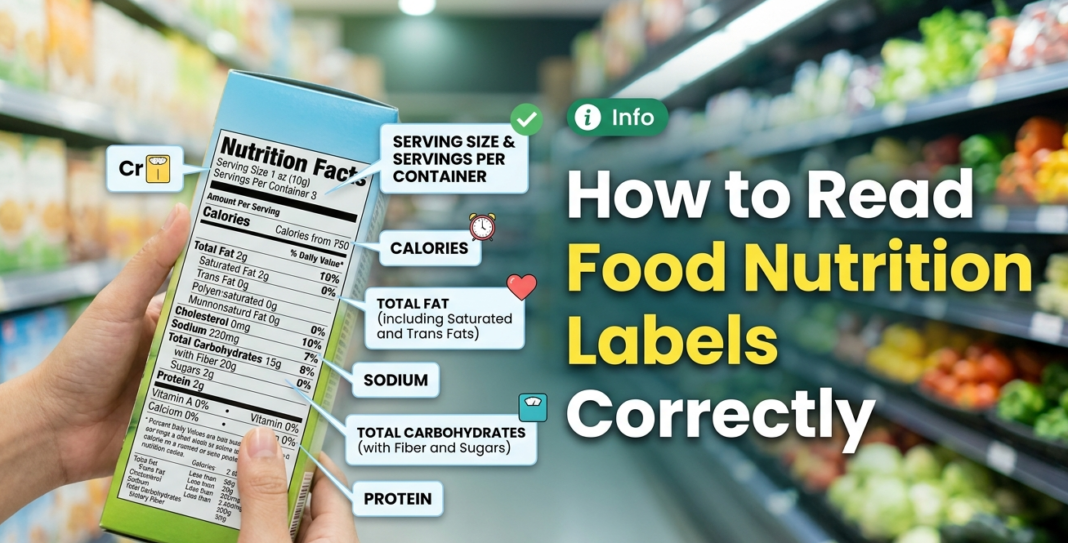
At the core of every nutrition label is the Nutrition Facts panel. This panel offers an overview of key nutritional information, including serving size, calories, and various macronutrients like fats, proteins, and carbohydrates. Additionally, it highlights essential vitamins and minerals, facilitating a comprehensive understanding of the food’s nutritional value. By familiarizing oneself with the various components of the label, consumers can better analyze their food choices and determine adherence to dietary guidelines.
The significance of nutrition labels extends beyond mere calorie counting. They provide a breakdown of daily nutritional allowances, contextualizing how much of each nutrient a single serving contributes to an overall daily diet. This is particularly useful for individuals with specific dietary restrictions or health objectives. For instance, someone seeking to reduce sodium intake will benefit from noticing sodium levels on the nutrition label. Overall, understanding nutrition labels empowers consumers to select products that align with their health goals, ultimately enhancing their well-being and nutrition knowledge.
Key Components of a Nutrition Label
Nutrition labels serve as essential tools for consumers, providing critical information regarding the nutritional composition of food products. Understanding the key components of a nutrition label is vital for making informed dietary choices.
The serving size is the first element listed on a nutrition label. It indicates the amount of food that is typically consumed in one sitting, making it the baseline for all other nutritional information. Serving sizes can be misleading; consumers should recognize if the portion they are eating differs from what is stated on the label, as this directly impacts caloric and nutrient intake.
Next, calories represent the energy provided by one serving of the product. Consumers must be conscious of their daily caloric needs, which can vary widely based on factors such as age, sex, and activity level. Knowing the calorie content can help individuals manage their weight more effectively.
Another crucial aspect of a nutrition label is the breakdown of nutrients, which includes fats, carbohydrates, and proteins. Fats are categorized into saturated and unsaturated types, each impacting health differently. Carbohydrates consist of sugars and fibers, which are crucial for energy and digestive health, respectively. Proteins are essential macronutrients that play vital roles in muscle repair and overall body function.
Additionally, vitamins and minerals are listed to inform consumers about the essential micronutrients present in the food item. Specific vitamins and minerals, such as Vitamin D, calcium, and iron, are particularly important for maintaining overall health. Awareness of these components enables consumers to make choices aligned with their nutritional needs and health goals.
Collectively, these key components of a nutrition label provide insight into a food’s nutritional value, aiding consumers in selecting products that meet their dietary requirements.
Interpreting Serving Sizes
Understanding serving sizes is a fundamental aspect of reading food nutrition labels effectively. Serving sizes are standardized measurements that provide a baseline for evaluating the nutritional content of food products. The Food and Drug Administration (FDA) determines serving sizes based on the amount of food that people typically consume in one sitting. However, individual dietary needs can vary significantly, making it essential to interpret serving sizes in accordance with personal health goals.
When examining a nutrition label, the serving size is prominently displayed at the top. It indicates not only the quantity of the food but also serves as a reference point for the accompanying nutrition facts. Items such as calories, fats, carbohydrates, and protein are calculated per serving. For example, if a cereal box states that one serving size is one cup, all the nutrition details provided are relevant to that one cup. Consequently, if an individual consumes two cups, they must double the nutritional information to understand their actual intake.
Moreover, it is crucial to remember that serving sizes do not necessarily align with the portions individuals may choose to eat. People often have different dietary requirements based on age, activity level, and health objectives. Therefore, it is advisable to adjust the serving size according to personal needs, ensuring a more accurate assessment of nutritional intake. For instance, if someone follows a calorie-restricted diet, being diligent in measuring out recommended serving sizes can significantly aid in staying within caloric limits.
In summary, interpreting serving sizes accurately is indispensable for making informed dietary choices. By aligning serving sizes with individual health needs, consumers can utilize nutrition labels effectively and promote healthier eating habits.
Understanding Percent Daily Values (DV)
Percent Daily Values (DV) are a significant part of nutrition labels, providing essential information that helps consumers evaluate how a particular food item fits into their overall dietary needs. DVs are expressed as a percentage and indicate how much a serving of food contributes to an average daily diet, based on a daily intake of 2,000 calories, which is the general guideline for nutrition labeling. Understanding these values can empower consumers to make informed food choices.
The DV is used to assess the nutrient content of a food item in relation to total daily nutritional goals. For example, if a nutrition label states that one serving of food provides 20% of the DV for calcium, this means that consuming that serving contributes 20% toward the total recommended calcium intake for the day. This allows individuals to gauge whether the food item is a significant source of that nutrient.
Nutrient percentages are categorized into three ranges: low, moderate, and high. A DV of 5% or less is considered low, indicating that the food is not a significant source of that nutrient. Conversely, a DV of 20% or more is seen as high, suggesting that the item could provide an ample amount of that nutrient. These percentages can vary among different nutrients, making it essential for consumers to read labels comprehensively.
Understanding these values is particularly relevant for individuals with specific dietary requirements, such as those managing chronic health conditions or adhering to certain lifestyle diets. By recognizing the significance of Percent Daily Values on nutrition labels, consumers can better appreciate the nutrient contributions of the foods they choose and ultimately lead healthier lives.
Identifying Healthy and Unhealthy Ingredients
Understanding food nutrition labels is crucial for making informed dietary choices. One of the first steps in this process is to examine the ingredient list, which provides insight into the quality and nature of the products you consume. Ingredients are typically listed in descending order by weight, so the first few items are of greatest prevalence in the food product. This ordering can help you identify healthy and unhealthy ingredients more easily.
When scrutinizing the ingredient list, look for added sugars, which are often disguised under various names such as high fructose corn syrup, sucrose, or agave nectar. All these variations can contribute to excessive caloric intake without nutritional value, making it essential to minimize their presence in your diet. Ideally, a product should contain little to no added sugars, especially those with multiple forms listed.
Preservatives and artificial ingredients are another red flag when assessing food labels. Common preservatives, such as BHT (butylated hydroxytoluene) or sodium benzoate, can be harmful when consumed in large quantities. Moreover, these additives often have unclear long-term health effects. Opting for products that utilize natural preservatives, such as vinegar or citric acid, can be a healthier alternative.
Fats also demand attention in ingredient lists. Trans fats, which are often found in partially hydrogenated oils, can significantly increase the risk of heart disease. Check for any mention of “partially hydrogenated” as a sign of unhealthy fat content. Instead, prioritize foods containing healthy fats, such as avocados, nuts, and olives, known for their positive impacts on health.
Ultimately, the best approach to food nutrition labels is to favor whole, natural ingredients, as they are generally more nutritious and beneficial for overall health. These ingredients typically do not have excessive processing, which preserves their inherent health benefits. By honing your skills in reading and interpreting labels, you will be better equipped to make choices that align with your dietary goals.
Allergens and Special Dietary Needs
Understanding the allergen information on food nutrition labels is crucial for individuals with allergies or specific dietary needs. Food manufacturers are required to label common allergens clearly, providing essential information for consumers to make informed decisions about their food choices. Common allergens include milk, eggs, fish, shellfish, tree nuts, peanuts, wheat, and soybeans. This information is typically found in a designated area of the label, often highlighted in bold or in a separate section to enhance visibility.
When shopping for food products, it is important to familiarize oneself with the specific terms used in allergen labeling. For instance, terms like “contains” followed by the name of the allergen indicate their presence in the product. Additionally, some labels may include a statement about “may contain” traces of certain allergens, which can be crucial for individuals with severe allergies. Such disclaimers suggest that while the ingredient itself might not be listed, cross-contamination may occur during production.
For individuals with special dietary needs, such as those following gluten-free, lactose-free, or vegan diets, nutrition labels can also provide critical insights. Manufacturers often label these diets explicitly, enabling consumers to quickly evaluate if a product meets their dietary requirements. Furthermore, understanding the ingredient list can aid in identifying hidden allergens or undesirable additives. As some ingredients’ names can be technical or misleading, it may be prudent to research unfamiliar components that might relate to allergens.
In summary, the ability to accurately read allergen information on food labels is an indispensable skill for consumers with allergies or specific dietary restrictions. This awareness not only supports health and well-being but also empowers individuals to navigate their dietary needs effectively.
Health Claims and Marketing Terms
Understanding health claims and marketing terms on food packaging is essential for making informed dietary choices. These terms can often be confusing, as they are frequently used to entice consumers towards specific products. One common term is “organic,” which refers to food products produced without the use of synthetic fertilizers, pesticides, or genetically modified organisms (GMOs). In many regions, products labeled as organic must meet strict regulations set by government bodies, thus ensuring a minimum standard.
Another frequently encountered marketing term is “low-fat.” This term suggests that a product contains less fat than a regular version. However, it is crucial for consumers to check the entire nutrition label, as some low-fat products may compensate for the reduced fat content by adding sugars or other ingredients that might not be beneficial. Regulations often dictate that for a product to be marketed as low-fat, it must contain no more than 3 grams of fat per serving.
The term “natural” also appears prominently on many food labels, but its definition varies significantly across different jurisdictions. While the United States Food and Drug Administration (FDA) has no formal definition of natural, it generally refers to products made without artificial ingredients or added colors. Thus, while a product may be labeled as natural, it does not necessarily indicate that it is healthier than its conventional alternative.
Other terms, such as “gluten-free” and “no added sugar,” are also common but come with their own regulatory guidelines. The gluten-free label is typically used for products containing less than 20 parts per million of gluten, allowing those with gluten intolerance a safe consumption option. Similarly, the no added sugar claim can be misleading, as it does not account for natural sugars present in ingredients.
A comprehensive understanding of these health claims and marketing terms allows consumers to navigate dietary choices more effectively. Evaluating labels critically can minimize misconceptions and enhance overall health awareness.
Practical Tips for Using Nutrition Labels
When it comes to making informed food choices, effectively using nutrition labels is crucial. To begin with, ensure you familiarize yourself with the layout of the nutrition label, which typically covers essential components such as serving size, calories, and nutrient content. Pay special attention to the serving size, as it indicates the quantity that the nutritional information is based on, allowing you to gauge your consumption accurately.
One practical tip is to compare similar products. While shopping, consider selecting two or more options of the same food category, such as breakfast cereals or snacks. By utilizing the nutrition labels, you can easily assess which product provides more dietary benefits, such as lower sugar, higher fiber, or more protein. This side-by-side comparison also aids in identifying potential hidden unhealthy ingredients that may not be apparent from the packaging design alone.
In addition to comparing products, consider the % Daily Value (%DV) listed on the label. This percentage portrays how much a nutrient in a serving contributes to a daily diet based on a 2,000-calorie reference. Choosing products with a %DV of 20% or more for beneficial nutrients, like fiber and vitamins, can guide you toward healthier selections, whereas aiming for 5% or less for added sugars and saturated fats supports better dietary choices.
Furthermore, becoming accustomed to specific keywords can enhance your grocery experience. Labels featuring terms such as “whole grain,” “low fat,” or “no added sugars” often indicate healthier possibilities. However, be cautious, as items labeled “healthy” can still contain unhealthy levels of sodium or sugars. Ultimately, developing a thorough understanding of nutrition labels equips you with the knowledge needed to make healthier choices, leading to improved well-being.
Conclusion and Empowerment through Knowledge
Understanding food nutrition labels is not merely an academic exercise; it is a crucial skill that empowers consumers to make informed dietary choices. As individuals navigate the complex world of food products, a keen awareness of nutrition labels enables them to identify healthy options, manage portion sizes, and cater to specific dietary needs such as allergies or calorie restrictions. By familiarizing oneself with the key components of these labels—such as serving sizes, calories, and nutrient content—one can cultivate a healthier lifestyle.
Moreover, being proactive in understanding the nutritional information allows consumers to scrutinize the quality of what they eat. This knowledge can lead to better choices, ultimately contributing to overall wellness and preventive health measures. With increasing awareness of dietary impacts on health, the importance of reading nutrition labels continues to grow in significance.
Furthermore, educating oneself and others about food labeling can foster a collective improvement in community health, as more individuals take accountability for their dietary decisions. In a world blighted by misinformation and unhealthy food environments, the act of reading and interpreting these labels is empowering. It transforms consumers from passive recipients of food products into active participants in their health journeys.
In conclusion, mastering the skill of reading food nutrition labels is essential for making healthier dietary choices. By urging readers to prioritize this knowledge, we encourage a culture of health awareness that can lead to significant changes in both individual and community health outcomes. With each conscious decision made at the grocery store, individuals are not only investing in their well-being but also contributing to a more health-conscious society.

