Introduction to Branding
Branding extends far beyond the mere visual elements of a logo or a company name; it represents the essence of a business. A brand is a multifaceted concept that embodies the values, mission, and personality of an organization. It serves as the cornerstone of how a company is perceived in the marketplace and how customers relate to it. Essentially, branding encapsulates every interaction a customer has with a business, from the messaging and tone in advertisements to the customer service experience.
At its core, branding involves the creation of a unique identity that sets an organization apart from competitors. This identity is built through various elements including visual design, brand voice, and core values. When effectively communicated, a brand creates an emotional connection with consumers, fostering loyalty and trust. This deep-rooted connection often aligns with the consumers’ personal values, driving them to choose one brand over another. Therefore, understanding the nuances of branding is fundamental for any business aiming to establish a strong presence in its market.
Moreover, a consistent brand image can enhance recognition and build a positive reputation. When a brand indicates continuity in its messaging and visual elements, it can cultivate a sense of familiarity and reliability among its audience. This ties directly into the significance of consistent branding; without a unified and coherent approach, the messages perceived by potential customers can become muddled and detract from the organization’s goals. In a competitive environment, maintaining a consistent and solid brand identity is crucial, as it serves not only as a reflection of the business’s ethos but also as a pivotal factor in customer decision-making processes.
Why Consistency Matters in Branding
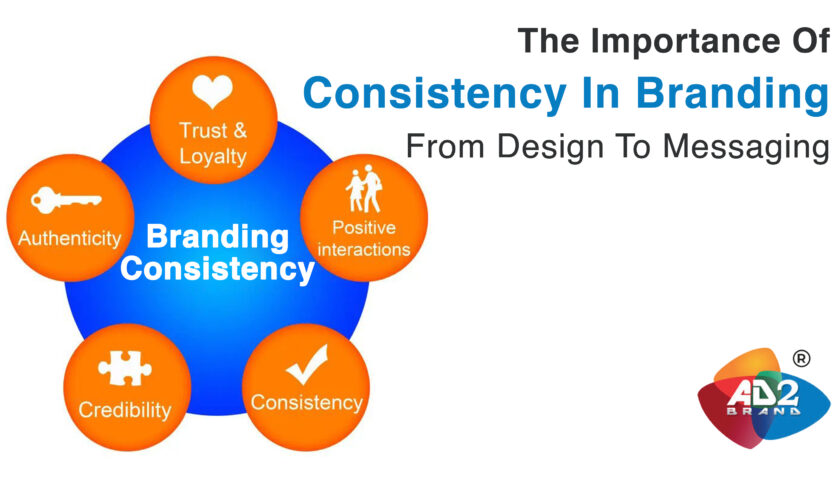
Maintaining brand consistency is a fundamental aspect of building a strong identity in the marketplace. A consistent branding strategy helps establish recognition among consumers, making it easier for them to identify a brand and its offerings. When customers see a familiar logo, tagline, or color scheme, even in various contexts, it reinforces their memory of the brand. This recognition is vital in influencing purchasing decisions and enhances the overall customer experience.
Brand consistency extends beyond visuals; it encompasses the messaging and tone a brand employs across all channels. Uniformity in communication fosters a sense of reliability. When consumers receive consistent messages, it helps to develop trust. They are more likely to engage with a brand that demonstrates coherent values and messaging, as it indicates professionalism and a clear understanding of its target audience. In a crowded market, brands that maintain a cohesive presence are better positioned to mitigate confusion and instill a sense of dependability.
Furthermore, consistency contributes significantly to customer loyalty and retention. When a brand provides a reliable experience, customers are more likely to return for repeat business. This loyalty, cultivated through consistent interactions, can significantly reduce marketing costs associated with acquiring new customers. Customers who feel a strong attachment to consistent branding are more inclined to recommend the brand to others, thereby fueling organic growth through word-of-mouth promotion.
In essence, the importance of consistent branding cannot be overstated. For brands aiming to foster trust, enhance recognition, and cultivate customer loyalty, maintaining a uniform brand image and messaging strategy is essential. This consistency not only enriches the overall brand experience but also establishes a foundation for long-term business success.
The Elements of Brand Consistency
Brand consistency is a crucial aspect of any successful marketing strategy, ensuring that every interaction a customer has with a brand is coherent and aligns with its core identity. Various elements contribute significantly to achieving this consistency, including visual identity, messaging and tone of voice, customer experience, and overall company values.
Visual identity consists of key components such as the logo, color palette, and typography that represent the brand. These elements work together to create a recognizable image that resonates with the audience. For instance, a strong logo should be unforgettable and reflect the essence of the brand, while a carefully chosen color scheme can evoke specific emotions and enhance recall. Typography plays a crucial role in delivering the brand’s personality and ensuring readability across various mediums. Together, these visual components enable a brand to establish a distinct presence in the marketplace.
Messaging and tone of voice are equally essential for effective brand consistency. This involves the language and style used in communications, whether written, spoken, or presented visually. A unified tone ensures that the audience receives coherent messages across different platforms, fostering familiarity and trust. For example, a professional brand may adopt a formal tone, while a more casual brand might embrace a relaxed style. Consistency in messaging also extends to the values and promises expressed by the brand, helping to build credibility and loyalty among consumers.
In terms of customer experience, every interaction a customer has with a brand must reflect its values and identity. This includes everything from website navigation to customer service, ensuring that the experience is seamless and aligned with the brand’s image. An exceptional customer experience reinforces brand loyalty and encourages repeat business.
Lastly, the overall company values should resonate throughout all branding efforts. These values define what the brand stands for and guide its actions, impacting everything from product development to community engagement. In conclusion, integrating these elements fosters a cohesive brand image that enhances recognition and strengthens customer trust.
The Impact of Inconsistent Branding
In today’s highly competitive marketplace, maintaining a coherent and consistent brand image is crucial for success. However, many companies have experienced significant repercussions due to inconsistent branding, leading to diminished customer trust, confusion, and even financial losses. This section explores the negative consequences of branding inconsistency by examining notable case studies.
One famous example is the brand Gap, which in 2010 attempted to change its iconic logo. The abrupt alteration was met with immediate backlash from customers, causing confusion and frustration. The public reaction was so strong that Gap reverted to its original logo after only one week. This incident highlights how inconsistent branding can disrupt customer loyalty and alienate stakeholders.
Another pivotal case is that of Tropicana, which, in 2009, decided to redesign its packaging entirely. Despite the intent to modernize the product’s appearance, consumer backlash resulted in a dramatic 20% drop in sales within just two months. Customers found the new packaging unrecognizable and confusing, demonstrating that any inconsistency in branding can lead to lost revenue and tarnished reputation.
Moreover, a lack of consistent branding can result in misunderstanding the brand’s identity and values. For instance, if a company projects multiple messages across various channels, potential customers may become indifferent or skeptical about its promises. This confusion can dilute the brand’s equity over time, making it less competitive in the market.
In summary, companies that fail to maintain consistent branding are at risk of losing valuable customer trust, which can ultimately lead to considerable financial setbacks. The impacts can stretch far beyond immediate financial losses, influencing long-term brand loyalty and overall market positioning.
Branding Across Different Platforms
In today’s digital landscape, maintaining brand consistency across various platforms is crucial for fostering recognition and trust among consumers. Brands that deliver a consistent message across social media, websites, physical stores, and advertising not only build a strong identity but also enhance customer loyalty. The essence of a brand—its values, mission, and visual elements—should be unified, yet it must also be tailored to the unique attributes of each medium.
Social media platforms necessitate a different tone and style compared to more traditional marketing channels, such as physical advertisements. While the core brand elements remain unchanged, the expressions of the brand can and should be adjusted to engage with the audience effectively. For instance, while a brand might use informal language on platforms like Instagram or Twitter, it might maintain a more formal tone on its corporate website or in email communications. This adaptability allows brands to resonate with customers in varied environments while still conveying a cohesive message.
Furthermore, visual branding—comprising logos, colors, and font styles—should adhere to the same guidelines across all platforms. Consistency in visuals ensures that the brand is immediately recognizable, regardless of the context. For example, a retail store can leverage its branding through store layouts and product packaging that echo its online presence. Similarly, advertising campaigns should align with the brand’s overall aesthetic, promoting a seamless customer experience whether individuals encounter the brand online or offline.
Ultimately, successful branding hinges on the ability to adapt while remaining anchored to a central identity. By ensuring that all platforms reflect the core brand principles, businesses can cultivate a strong and lasting connection with their audience.
How to Achieve Brand Consistency
Achieving brand consistency is a vital aspect of building a strong and recognizable brand that resonates with your audience. To maintain a uniform representation of your brand across various channels, businesses can follow several effective strategies.
First and foremost, creating comprehensive brand guidelines is essential. These guidelines should outline the company’s mission, vision, core values, visual elements such as logos, color palettes, typography, and tone of voice. By providing clear rules and specifications for every aspect of the brand, these guidelines serve as a reference point for all employees and stakeholders, ensuring a cohesive branding approach.
Secondly, employee training plays a crucial role in reinforcing brand consistency. All team members should be well-informed about the brand’s values, messaging, and visual identity. Conducting regular training sessions will help employees understand the importance of adhering to the established guidelines and encourage them to embody the brand ethos in their day-to-day tasks.
Monitoring brand performance is another key strategy to ensure consistency. Regular assessments of marketing campaigns, social media content, and customer interactions can help identify any discrepancies in brand representation. Utilizing analytics tools can provide valuable insights into how the brand is perceived by the audience and highlight areas for improvement.
Lastly, businesses should prioritize regularly updating branding materials to stay relevant and aligned with industry trends and consumer preferences. While maintaining consistency, it is equally important to adapt and evolve the brand as the market changes. This approach allows businesses to engage their audience effectively while remaining true to their core identity.
By implementing these practical steps, organizations can effectively achieve brand consistency, fostering a unified brand experience that strengthens their market presence.
Measuring the Success of Brand Consistency
Measuring the success of brand consistency is essential for businesses aiming to foster a strong and lasting connection with their target audience. Consistent branding drives recognition, builds trust, and reinforces a clear message, making it crucial to assess its effectiveness through various metrics and tools.
One of the primary methods for evaluating brand consistency is through customer feedback. Surveys and direct feedback from customers provide insights into their perceptions of the brand’s messaging, visuals, and overall experience. Tools such as online surveys and focus groups can be utilized to gather this data and analyze how well the brand resonates with its audience. This qualitative information can highlight areas for improvement and help maintain alignment with customer expectations.
Additionally, brand awareness surveys serve as a quantitative tool to gauge the level of recognition and recall among consumers. These surveys can measure how familiar the target audience is with the brand and its attributes. A significant increase in brand awareness indicates that the branding strategy is effectively penetrating the market, while stagnant or declining awareness may signal inconsistencies that need addressing.
Sales performance analysis can also shed light on brand consistency. By tracking sales data over time, businesses can identify correlations between marketing efforts and revenue generation. An increase in sales volume following a consistent branding initiative can be a strong indicator that the brand is resonating with its customers. Furthermore, analyzing customer retention rates can highlight the effectiveness of maintaining brand loyalty through consistent messaging and experience.
Overall, utilizing a combination of customer feedback, brand awareness surveys, and sales performance analytics allows businesses to effectively measure the success of their branding consistency efforts. This comprehensive approach provides a clearer understanding of the brand’s impact on customers, enabling businesses to make informed decisions and optimize their branding strategies moving forward.
The Future of Branding and Consistency
As we advance further into the 21st century, the landscape of branding is continuously evolving. Emerging technologies, from artificial intelligence to augmented reality, are reshaping how brands engage with consumers. This transformation brings forth new opportunities but also challenges, making the importance of consistent branding more crucial than ever. In a marketplace characterized by rapid change, businesses must develop strategies that not only resonate with their audiences but also remain cohesive across various platforms and channels.
Consumer behavior is also shifting, influenced by an array of factors such as increased access to information and demand for authenticity. Today’s consumers are more discerning, often researching products and brands extensively before making a purchase. This shift necessitates that brands present a unified front—one that speaks to their core values and mission consistently. Failure to do so can lead to confusion and distrust, eroding brand equity over time.
To navigate this dynamic environment, companies must prioritize their branding strategies. This includes ensuring that visual elements such as logos, color schemes, and typography remain uniform across all digital and physical touchpoints. Additionally, brands should consistently communicate their message and values, reinforcing their identity in the minds of consumers. Social media, in particular, demands this consistency as content must be aligned with the overarching brand story to maintain engagement and loyalty.
Furthermore, as personalization becomes paramount, brands must balance the need for tailored experiences with the importance of consistent messaging. This can be challenging but is essential to fostering a strong, recognizable brand identity. In this context, consistency is not merely a guideline but a vital component of a successful branding strategy that can withstand the test of time and change.
Conclusion and Call to Action
In summary, the significance of consistent branding cannot be overstated. A cohesive brand identity contributes to the credibility and recognition of a business in an increasingly competitive market. Throughout this discussion, we have explored how consistent branding enhances customer loyalty, fosters trust, and differentiates a company from its competitors. It is not merely a matter of aesthetic appeal; consistent branding serves as the backbone of successful marketing strategies.
A well-defined brand identity, which includes visual elements, messaging, and values, should be uniformly applied across all platforms and interactions with customers. This uniformity helps to build familiarity, which is essential for converting prospects into long-term customers. Moreover, consistently applying your branding elements can lead to heightened engagement and a deeper emotional connection with your audience.
As you reflect on your own branding strategies, consider conducting a thorough assessment of your existing branding practices. Evaluate whether your visual identity aligns with your message and values across all channels. Are your marketing materials, social media profiles, and customer interactions communicating a consistent message? If discrepancies exist, it may be time to adapt your approach to ensure a unified brand experience.
We encourage you to actively seek feedback from your customers and employees regarding your brand perception. Their insights can provide valuable guidance on how effectively your branding is resonating with your target audience. Taking these proactive steps will not only enhance your brand consistency but will also pave the way for sustained growth and success.

