Understanding Growth Mindset
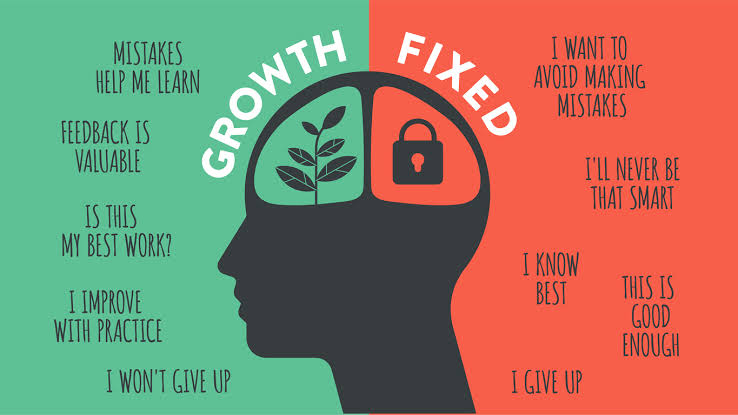
The concept of a growth mindset, formulated by psychologist Carol Dweck, revolves around the foundational belief that abilities and intelligence can be developed through dedication and hard work. This perspective stands in sharp contrast to a fixed mindset, which holds that individuals possess a predetermined amount of intelligence and talent that cannot be significantly altered. The contrast between these two mindsets lies predominantly in how individuals perceive challenges, setbacks, and failure.
In a growth mindset, challenges are viewed as opportunities for growth rather than obstacles to be avoided. People who embrace a growth-oriented approach tend to see value in hard work and are motivated by the prospect of learning new skills. They believe that their efforts will lead to improvement and consider failures as temporary setbacks that provide valuable insights for future attempts. This resilience enables them to tackle difficult tasks with confidence, nurturing a continuous cycle of learning and development.
Conversely, individuals with a fixed mindset often perceive challenges as threats. They may avoid taking risks and pushing their limits, fearing that failure will reflect poorly on their inherent abilities. This lack of willingness to confront difficulties can result in stagnation, as they overlook the potential for personal growth. The core beliefs of a growth mindset foster a more constructive environment where continuous learning is encouraged and viewed as a fundamental part of the developmental process. This ideology not only enhances personal well-being and satisfaction but also contributes positively to collaborative efforts and organizational success. By promoting innovative thinking and adaptability, a growth mindset ultimately leads to greater achievements both personally and professionally.
The Benefits of Adopting a Growth Mindset
Embracing a growth mindset can yield numerous benefits that positively impact various aspects of an individual’s life. At its core, a growth mindset fosters personal development, encouraging individuals to seek out challenges and learn from their experiences. This mindset allows for an appreciation of effort, leading to a greater commitment to self-improvement.
In academic settings, students who adopt a growth mindset tend to outperform their peers who hold fixed views about intelligence. For instance, a student who perceives academic difficulties as opportunities for learning is more likely to engage in proactive studying methods, seek extra help, and ultimately achieve better grades. Such benefits also extend to the workplace where employees with a growth mindset display enhanced resilience, adaptability, and creativity. These individuals are not deterred by setbacks; instead, they view obstacles as stepping stones toward their professional aspirations.
Moreover, individuals equipped with a growth mindset tend to develop better coping strategies in the face of adversity. They understand that failure is not a reflection of their ability but rather a part of the learning process. This perspective not only minimizes the fear of failure but also encourages experimentation and innovation. For example, a business leader who embraces this mindset may take calculated risks, enabling their company to evolve and adapt in a competitive marketplace.
Additionally, adopting a growth mindset can foster stronger relationships. Individuals who believe in the potential for growth in themselves and others are likely to communicate more effectively, show empathy, and provide constructive feedback. This environment cultivates mutual respect and encouragement, leading to deeper connections with colleagues, friends, and family.
In conclusion, the manifold benefits of adopting a growth mindset span across personal development, academic success, professional advancement, effective coping mechanisms, and improved interpersonal relationships. Individuals willing to embrace this mindset can experience profound transformations in their lives.
Challenges to Embracing a Growth Mindset
Adopting a growth mindset can be significantly hindered by various challenges that individuals may encounter throughout their lives. One of the most prominent obstacles is the presence of ingrained beliefs, often deeply rooted in personal experiences and upbringing. Many people grow up internalizing the notion that their intelligence and talents are fixed traits, leading to a reluctance to embrace challenges or take risks. This fixed mindset not only limits personal growth but also diminishes the willingness to learn from failures.
In addition, societal pressures play a crucial role in encouraging a fixed mindset, as various cultures often place a high value on immediate success and measurable achievements. The pervasive belief that failure equates to inadequacy can deter individuals from pursuing new opportunities, resulting in a reluctance to step out of their comfort zones. Consequently, this reinforces a cycle where individuals feel unable to progress, further entrenching their fixed perspectives.
Moreover, environments can significantly influence mindset development. When surrounded by negative influences or individuals who exhibit a fixed mindset, the likelihood of adopting similar beliefs increases. A workplace culture that rewards mediocrity or penalizes mistakes often fosters an atmosphere of fear, stifling innovation and personal development.
To overcome these challenges, individuals can focus on cultivating self-awareness. Recognizing and reflecting on personal beliefs about abilities and learning can be an essential first step in transitioning toward a growth mindset. Additionally, actively seeking out environments and relationships that promote a growth-focused culture can help counteract the negative influences. Engaging in constructive self-talk, celebrating small successes, and embracing challenges as opportunities for growth will further facilitate this transition, promoting continuous learning and resilience.
Practical Strategies to Cultivate a Growth Mindset
Adopting a growth mindset is a transformative process that requires intention and consistent effort. Here are several actionable strategies that individuals can implement in their daily lives to develop and nurture this essential perspective.
Firstly, establishing clear and attainable goals provides a direction for growth. Utilizing the SMART criteria (Specific, Measurable, Achievable, Relevant, Time-bound) can enhance your goal-setting process. For instance, instead of simply stating, “I want to improve my skills,” specify, “I will complete one online course related to my field each month.” This type of goal-setting aligns with the growth mindset philosophy by fostering a sense of purpose and commitment.
Secondly, actively seeking feedback from peers, mentors, or supervisors can be beneficial. Constructive criticism offers invaluable insights into your performance and areas for improvement. Receptiveness to feedback not only demonstrates a willingness to learn but also reinforces the belief that abilities can be developed through dedicated effort.
Additionally, embracing failures as opportunities for growth is crucial. Instead of viewing setbacks as insurmountable obstacles, analyze what went wrong and how similar mistakes can be avoided in the future. This reflective practice empowers individuals to learn from their experiences, thereby fostering resilience and adaptability.
Regular reflection on personal progress also plays a significant role in cultivating a growth mindset. Keeping a journal to document experiences, accomplishments, and challenges helps in recognizing patterns and growth over time. Taking moments to assess your journey highlights achievements and reinforces the understanding that growth is a continuous process.
Lastly, consider implementing practical exercises such as mindfulness and visualization techniques to reinforce a growth mindset. These practices can help center your thoughts and maintain focus on your development journey. By integrating these strategies into daily routines, individuals can effectively cultivate a growth mindset that supports their personal and professional growth.
The Role of Feedback in Growth Mindset
Feedback serves as a vital element in fostering a growth mindset, as it offers individuals valuable insights into their performance, strengths, and areas that require improvement. Embracing feedback is essential for personal and professional development, encouraging a continuous learning cycle. Individuals with a growth mindset view feedback not as a critique of their abilities but as a constructive tool for enhancing skills and achieving potential.
To effectively give and receive feedback, it is important to adopt an approach that emphasizes constructive communication. When providing feedback, it’s beneficial to focus on specific behaviors rather than personal attributes. This technique minimizes defensiveness and encourages receptiveness. For instance, instead of stating, “You are not very good at this task,” one could say, “Your report could benefit from more data analysis to support the conclusions.” This approach not only highlights areas for improvement but also identifies actionable steps that can lead to progress.
Receiving feedback is equally important in maintaining a growth mindset. To do this effectively, individuals should practice active listening and reflect on the feedback without immediate emotional reactions. Cultivating an attitude of gratitude toward constructive feedback helps individuals recognize it as an opportunity for growth, rather than a negative judgment. Furthermore, encouraging a culture of supportive feedback, particularly in organizations or educational settings, can lead to improved collaboration and enhanced learning experiences. In a supportive environment, individuals feel empowered to share their insights and challenges, creating a cycle of ongoing improvement.
In conclusion, feedback plays a crucial role in cultivating a growth mindset by guiding individuals toward constructive self-improvement. By viewing feedback as a helpful tool rather than a source of criticism, individuals can embrace challenges and develop the resilience necessary for continuous growth.
Growth Mindset in the Workplace
A growth mindset, characterized by the belief that skills and intelligence can be developed through effort and learning, plays a crucial role in transforming workplace dynamics. Organizations that embrace a growth-oriented culture not only see increased employee engagement but also enhance overall productivity. By fostering an environment where employees are encouraged to take risks and tackle challenges, companies create a foundation for innovation and resilience.
One of the pivotal aspects of cultivating a growth mindset in the workplace is effective leadership. Leaders who model growth-oriented behaviors—such as embracing failure as a learning opportunity and seeking feedback—can inspire their teams. When team members observe their leaders navigating challenges with a positive and growth-focused attitude, they are more likely to adopt similar approaches. Leadership training that emphasizes the principles of a growth mindset can empower managers to guide their teams effectively, encouraging creativity and collaboration.
The encouragement of a growth mindset also has significant implications for professional development. Organizations that prioritize continuous learning and growth foster a culture where employees feel valued and motivated to expand their skills. Training programs, mentorship opportunities, and collaborative projects can further enhance the development of a growth mindset. Employees should feel confident in taking on new challenges, knowing that the organization supports their growth journey.
Moreover, a growth mindset contributes to improved problem-solving and innovation. Employees are more likely to approach problems with an open mind when they believe that their abilities can improve over time. As a result, companies that embody a growth mindset not only adapt better to change but also position themselves as leaders in their industries.
Growth Mindset and Education
The concept of a growth mindset has significant implications within educational settings, as it fosters a culture of continuous learning and resilience among students. Developed by psychologist Carol Dweck, a growth mindset refers to the belief that intelligence and abilities can be developed through dedication and hard work. This mindset stands in contrast to a fixed mindset, where individuals view their abilities as static. Educators play a pivotal role in embedding these principles into the educational framework, thereby influencing student perceptions of their potential.
Incorporating growth mindset principles into teaching practices can lead to enhanced student achievement. Educators can implement strategies such as providing constructive feedback that encourages effort and perseverance rather than merely focusing on correct answers. This approach helps students understand that failure is a natural part of the learning process and an opportunity for growth. Furthermore, by celebrating effort and progress rather than solely outcomes, teachers can instill a sense of pride in perseverance among students.
To encourage the development of resilience and a love for learning, educators can introduce activities that challenge students while providing the necessary support to navigate difficulties. This might include group projects that require collaboration or problem-solving tasks that stimulate critical thinking. Additionally, incorporating discussions around the neuroscience of learning can help students understand how practice and mistakes contribute to brain development, reinforcing the value of perseverance.
By fostering a growth mindset in educational environments, we empower students to take ownership of their learning journey. When students realize that their abilities can improve over time, their motivation and engagement increase significantly. As such, cultivating a growth mindset should be a fundamental aspect of educational strategies, ultimately contributing to improved academic outcomes and a lifelong enthusiasm for learning.
Mindset and Mental Health
The relationship between mindset and mental health is multifaceted and significant. A growth mindset, as opposed to a fixed mindset, can substantially influence mental well-being and emotional resilience. Individuals with a growth mindset believe that their abilities and intelligence can be developed through dedication and hard work. This perspective fosters a love for learning and an appreciation for challenges, both of which are crucial for enhancing mental health outcomes.
Research indicates that those who maintain a growth mindset often experience lower levels of anxiety and higher levels of emotional resilience. This resilience enables individuals to tackle life’s challenges and setbacks more effectively. When faced with adversity, people with a growth mindset tend to adopt a solution-oriented approach rather than succumbing to feelings of helplessness. They view challenges as opportunities for growth, which can reduce the feelings of stress and depression that may arise during difficult times.
Moreover, reinforcing a positive mindset can lead to improved coping mechanisms. Practices such as positive self-talk, mindfulness, and gratitude are essential strategies that help cultivate and maintain a growth mindset. These techniques encourage individuals to focus on their strengths and accomplishments, significantly contributing to their overall mental health. Regularly engaging in reflection can also help individuals recognize their progress, fostering a deeper sense of self-awareness and personal growth.
Incorporating elements of a growth mindset into daily routines can promote long-term mental wellness. Whether through setting realistic goals, embracing challenges, or seeking feedback, the transition to a growth-oriented perspective can have lasting positive effects on mental health.
Conclusion: The Lifelong Journey of Growth
Maintaining a growth mindset is not a one-time endeavor; rather, it is a continual journey that requires conscious effort and dedication. Throughout our exploration of the growth mindset, we have reviewed its significance in transforming challenges into opportunities for learning and self-improvement. Embracing this mindset allows individuals to develop resilience, adaptability, and a willingness to learn from feedback, which are critical attributes in today’s dynamic world.
This ongoing commitment to personal development involves actively seeking out new experiences that can foster growth. These experiences may manifest in various settings, from professional environments to personal ventures and social interactions. By stepping outside of one’s comfort zone, individuals can uncover hidden potential and cultivate skills that enrich their lives overall.
Furthermore, challenges should be viewed not as obstacles but as essential components of the growth process. Each challenge presents a unique opportunity to develop and refine one’s abilities. By adopting a mindset that appreciates the value of perseverance, individuals can learn to embrace failure as a valuable teacher, enhancing their understanding and promoting further growth.
Moreover, it is crucial to foster an environment that supports a growth mindset, both individually and collectively. Engaging with like-minded individuals who share the goal of continuous improvement can inspire and motivate one another on their paths. Collaboration, mutual support, and the sharing of diverse perspectives create fertile ground for growth.
In conclusion, the journey of maintaining a growth mindset is lifelong and multifaceted. By remaining open to learning, embracing challenges, and supporting one another, individuals will not only achieve personal fulfillment but also contribute to a culture where growth and development thrive.

