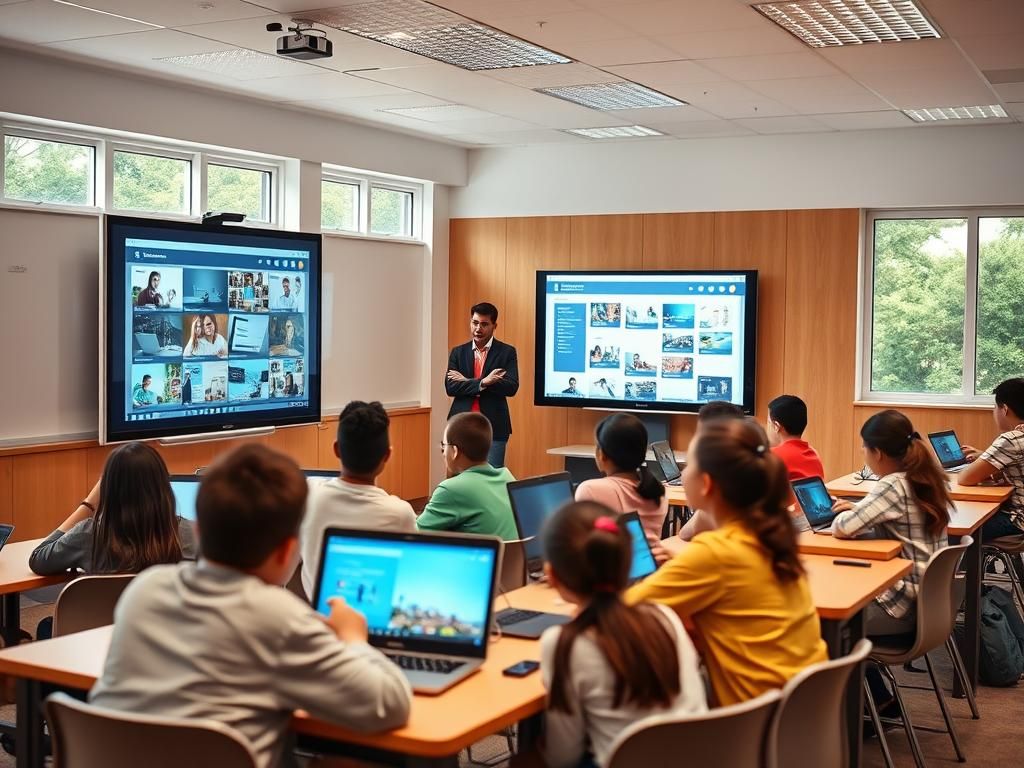
Introduction to Technology in Education
Technology has transformed various aspects of society, and education is no exception. The integration of technology in educational settings, often referred to as educational technology, encompasses a wide range of tools and resources aimed at enhancing teaching and learning processes. From online learning platforms to interactive simulations, the role of technology in education continues to evolve, enabling greater accessibility and engagement.
The importance of educational technology stems from its ability to facilitate personalized learning experiences. Digital tools allow educators to cater to diverse learning styles and paces, helping to produce better educational outcomes. For instance, adaptive learning software can assess individual student performance and adjust the curriculum accordingly, making it more relevant and effective. Moreover, technology fosters collaboration among students and teachers, breaking down geographical barriers and creating opportunities for global classrooms.
With the rise of mobile devices and the internet, students can access a wealth of information and resources beyond traditional textbooks. This access not only encourages independent learning but also equips students with essential digital literacy skills necessary for the workforce. Furthermore, the incorporation of multimedia elements—such as videos, podcasts, and interactive content—has the potential to enhance engagement, making the learning experience more stimulating.
As we delve deeper into the discussion of technological advancements and their impacts on education, it is crucial to recognize both the opportunities and challenges that accompany this integration. While educational technology offers a myriad of possibilities for improving teaching methods and student interactions, issues such as digital equity and the digital divide persist, requiring ongoing attention and solutions.
Historical Context of Educational Technology
The evolution of technology in education has been a remarkable journey, marked by significant milestones that have transformed traditional teaching methods into modern educational practices. Initially, educational settings primarily relied on face-to-face instruction, utilizing textbooks, chalkboards, and other manual teaching aids. However, the landscape began to shift with the advent of various technological innovations.
The late 20th century marked a pivotal moment in educational technology, particularly with the introduction of computers into classrooms. In the 1980s, personal computers became increasingly accessible, enabling educators and students to explore new learning avenues. This integration of computers not only enhanced the way information was presented but also facilitated individualized learning experiences. Students began to utilize software that allowed for interactive learning, paving the way for more engaged educational environments.
The emergence of the internet in the 1990s further revolutionized education. It provided unprecedented access to a wealth of information and resources that transcended the limitations of traditional learning environments. Online platforms began to surface, offering courses and learning materials that were previously exclusive to physical institutions. Additionally, the rise of educational software further contributed to this transformation, enabling more dynamic and accessible forms of instruction.
As the 21st century unfolded, the incorporation of digital tools such as tablets, smartboards, and mobile applications became more prevalent in educational settings. These technologies fostered collaborative learning and enhanced student engagement by allowing for real-time feedback and interaction among peers and instructors. Educators increasingly recognized the importance of integrating technology in education to better prepare students for a rapidly evolving digital landscape.
Types of Educational Technologies
In contemporary education, a variety of technologies are employed to streamline learning processes, enhance engagement, and cater to diverse learning styles. Chief among these are learning management systems (LMS), which provide a centralized platform for instructors to create, manage, and deliver educational courses. LMS platforms also facilitate tracking student progress and performance, making it easier for educators to tailor their approaches to individual needs.
Another significant tool in modern education is the interactive whiteboard. These digital boards allow for dynamic and engaging presentations, enabling educators to integrate multimedia content directly into their lessons. Students can also interact with the material, fostering a more participatory learning environment. The flexibility of interactive whiteboards makes them suitable for various educational settings, including classrooms, workshops, and training sessions.
Furthermore, the rise of online resources has transformed the way students access information. Educational websites, video tutorials, and open-access journals serve as valuable supplementary materials for learners. These resources encourage self-directed study and provide learners with the opportunity to explore topics at their own pace. Educational apps have similarly gained traction, offering targeted exercises and tools that promote critical thinking and problem-solving through gamification and interactive challenges.
Lastly, virtual classroom technologies have redefined traditional learning by enabling remote education and collaboration. Platforms that support virtual classrooms offer video conferencing, chat functionalities, and real-time document sharing. These features allow teachers to conduct paralleled sessions without geographical constraints, making education more accessible than ever before. Embracing these various types of educational technologies is crucial in preparing students for an increasingly digital world, where adaptability and technological proficiency are essential skills for success.
Benefits of Technology in Education
Technology has revolutionized the education sector, providing numerous benefits that enhance the learning experience for students and educators alike. One of the primary advantages is the improved access to information. With the internet and various digital platforms, students can access a vast array of resources, research materials, and educational content from around the world at any time. This not only broadens their knowledge base but also encourages self-directed learning.
Moreover, technology enables personalized learning experiences tailored to individual students’ needs. Through adaptive learning programs, educators can provide customized pathways for students, allowing them to progress at their own pace. This personalization fosters a greater sense of autonomy in learners, as they can focus on areas where they excel or need more practice.
Another significant benefit is enhanced engagement through multimedia resources. Interactive tools, such as videos, simulations, and gamified learning experiences, make lessons more engaging and enjoyable. Such resources can transform traditional subjects into captivating experiences, stimulating interest and participation among students.
The integration of technology also facilitates collaboration and communication among students and teachers. With tools like discussion forums, group projects on collaborative platforms, and online classroom environments, students can easily share ideas, seek assistance, and work together regardless of their physical location. This not only strengthens interpersonal skills but also mirrors the collaborative environments of modern workplaces.
In conclusion, the benefits of technology in education are manifold, encompassing improved access to information, personalized learning, enhanced engagement, and better collaboration among students and educators. As educational institutions continue to adopt new technologies, these advantages will likely become even more pronounced, paving the way for a more effective and enriching learning experience.
Challenges and Limitations of Technology in Education
While the integration of technology into education brings about numerous advantages, it is imperative to acknowledge the challenges and limitations that accompany this shift. One significant hurdle is the issue of digital disparity. Not all students have equal access to technology and high-speed internet, which can result in unequal learning opportunities. This digital divide means that students from lower socio-economic backgrounds may struggle to keep up with their peers who have better access to technological resources.
Moreover, the incorporation of technology into educational settings can lead to increased distractions. With the multitude of applications and websites available, students may find it challenging to focus on their studies. Online platforms can become breeding grounds for procrastination, thus hindering actual learning outcomes. Consequently, there is a critical need for educators to cultivate strategies that encourage students to stay focused and engaged while utilizing technological tools.
Another limitation lies in the potential inadequacy of teacher training. Effective use of technology in education requires educators to be not only proficient in technology but also adept at integrating it into their teaching practices. Insufficient training can hinder teachers from making the most out of technological resources, ultimately affecting students’ learning experiences. Furthermore, the need to balance screen time with traditional learning methods remains a matter of concern. While technology can enhance learning, it is essential to find a harmonious interplay between digital and conventional educational practices to foster a more comprehensive learning environment.
Case Studies of Successful Technology Integration
In recent years, various educational institutions have successfully integrated technology into their teaching methodologies, enhancing the learning experience for students and improving overall outcomes. One notable example is the use of a blended learning model at the Flipped Learning Network which has transformed traditional teaching paradigms. By flipping the classroom, students engage with instructional content at home, allowing for more personalized learning experiences during class time. This innovative approach not only encourages self-paced learning but also fosters collaborative environments where students can engage with their peers and educators more effectively.
Another impressive case is that of the Los Angeles Unified School District, which implemented a one-to-one device initiative. In this program, every student received a tablet or laptop, enabling access to a wealth of educational resources. The integration of technology in this context has led to an increase in student engagement and improved academic performance. Teachers reported that technology allowed them to innovate their lesson plans and provide real-time feedback to students, ultimately creating a more interactive and responsive classroom environment.
Moreover, the use of gamification in education has shown significant promise, as demonstrated in the case of the Quest to Learn school in New York City. This school utilizes game design principles to create a curriculum that is engaging and relevant to students’ interests. By embedding game mechanics into learning, students develop critical thinking skills and are motivated to reach learning objectives. The positive outcomes of this method extend beyond academic achievement, as students also report higher levels of satisfaction and motivation towards their education.
These case studies illustrate that the integration of technology in educational settings can lead to enhanced engagement, personalized learning paths, and improved academic outcomes, showcasing the transformative potential of technology in education.
The Future of Technology in Education
The future of technology in education is poised to undergo significant transformations as emerging trends and innovations redefine the learning landscape. Among these trends, artificial intelligence (AI) stands out as a pivotal component. AI has the potential to personalize learning experiences by analyzing student performance data and adapting educational content to suit individual needs. By enabling real-time assessments and feedback, AI can enhance student engagement and support educators in identifying areas that require intervention.
Additionally, virtual reality (VR) and augmented reality (AR) are revolutionizing the manner in which knowledge is imparted. These technologies can create immersive learning environments that allow students to explore concepts in three-dimensional space, fostering an experiential understanding of complex subjects. For instance, VR can transport learners to historical events or scientific phenomena, making learning both engaging and impactful.
Moreover, the gamification of learning has gained traction as an effective educational strategy. By incorporating game mechanics into learning modules, educators can enhance motivation and promote a competitive spirit among students. This approach not only makes learning enjoyable but also reinforces key competencies through interactive challenges and rewards.
Furthermore, the role of data analytics in education is expanding, as institutions increasingly rely on data-driven insights to inform decision-making processes. By harnessing large datasets, educational institutions can track student progress, identify trends, and implement strategies to improve educational outcomes. This analytical approach fosters a culture of continuous improvement, ensuring that educational practices are both effective and responsive to the needs of learners.
As technology continues to evolve, these innovations are set to enhance the educational experience, making it more personalized, engaging, and data-informed. Ultimately, the integration of these technologies will play a crucial role in shaping the future of education, preparing students for a rapidly changing world.
Best Practices for Implementing Educational Technology
Implementing educational technology in the classroom involves several key strategies that ensure both effectiveness and alignment with educational goals. To maximize the benefits of technology, educators and institutions should follow a systematic approach.
First and foremost, strategic planning is essential. Schools should develop a clear technology integration plan that outlines the objectives for using different tools and methods. This plan should involve collaboration among administrators, teachers, and IT specialists to align the educational objectives with the technology available. Identifying specific needs such as enhancing student engagement or supporting different learning styles will help prioritize the tools chosen for integration.
Additionally, continuous staff training is vital in ensuring educators are equipped with the necessary skills to effectively use technological tools. Professional development opportunities should be regularly provided, enabling teachers to stay updated on new technologies and pedagogical approaches. Training sessions could incorporate hands-on workshops and collaborative learning experiences, fostering a positive attitude towards the adoption of innovative teaching solutions.
Moreover, evaluating technological tools is essential for ensuring that they enhance the learning experience and meet educational goals. Schools should establish criteria for assessing the effectiveness of various technologies in their curriculum. Regular feedback from students and teachers can also provide insights into how these tools impact learning and engagement.
Lastly, to ensure that technology genuinely serves educational purposes, it is vital to create a supportive environment that encourages experimentation and adaptation. Educators should feel empowered to trial different tools and methods, refining their approaches based on their experiences and student feedback. This iterative process can lead to the effective and meaningful integration of technology into teaching practices.
Conclusion: Embracing Technology in Learning
In the ever-evolving landscape of education, the integration of technology has emerged as a fundamental component that enhances the learning experience. Throughout this discussion, we have highlighted the multifaceted benefits that technology provides, including increased accessibility to information, personalized learning opportunities, and improved engagement among students. The role of technology in education is not merely an addition; it has become an essential tool that enables both educators and learners to thrive in a rapidly changing world.
However, it is crucial to approach technological integration with a balanced perspective. While the advantages of technology in facilitating communication and collaboration cannot be overstated, there are potential pitfalls that require attention. Issues such as digital distractions, the digital divide, and the over-reliance on technology can detract from the educational experience if not managed appropriately. Hence, educators, policymakers, and stakeholders must find a harmonious balance between leveraging technology and preserving traditional teaching methods.
The future of education lies in the thoughtful integration of technology that complements and enhances the curriculum. Teachers should be equipped with the necessary training to effectively incorporate digital tools into their instructional practices, ensuring that technology augments their teaching strategies. Moreover, fostering a culture of digital literacy among students will equip them with the skills needed to navigate an increasingly digital world. By embracing technology in a mindful manner, we can create a more inclusive and effective learning environment that prepares students for success in their academic and professional endeavors.
In conclusion, the role of technology in education is vital and cannot be overlooked. As we move forward, it is imperative to continue advocating for innovative approaches that prioritize a balanced integration of technology, ensuring that it remains a powerful ally in enhancing the quality and accessibility of education for all learners.

