Strong storms move through Northwest Arkansas every year, exposing residential and commercial roofs to damaging hail, high winds, and heavy rainfall. Scheduling a roof inspection soon after severe weather helps identify hidden damage early, reducing the risk of expensive repairs while protecting your property.
Factors such as hail size, wind speeds, tornado activity, and roofing materials all influence when an inspection should take place. Working with a trusted local roofing contractor helps ensure that storm damage is identified before it develops into larger structural problems.
Watch for Hail Damage Warning Signs
Whether you’re protecting a home or managing a commercial property that requires Commercial Roofing Services in Arkansas, recognizing the early signs of hail damage helps you respond before small issues become costly repairs.
After a major hailstorm, inspect your property for bruised or cracked shingles, loose roofing materials, or areas where protective granules have washed into gutters and downspouts. Granule loss reduces the ability of asphalt shingles to withstand future weather.
Metal components such as flashing, roof vents, gutters, and downspouts often show dents before shingle damage becomes obvious, making them useful indicators of hail impact.
Inside the property, look for ceiling stains, attic moisture, or musty odors after heavy rain. These signs may indicate hidden leaks caused by storm damage that is not visible from the ground.
Even newer roofing systems can sustain damage during severe weather. Scheduling a professional roof inspection after a significant storm helps identify problems before moisture leads to mold, wood rot, or interior damage.
Check Roofs Within Hours After the Storm
Inspecting your property shortly after severe weather provides valuable information while damage is still fresh.
- Inspect Interior Spaces: Check ceilings, attic areas, and upper walls for water stains or signs of moisture that may indicate roof leaks.
- Observe the Roof from Ground Level: Look for missing shingles, displaced flashing, fallen tree limbs, or visible debris without climbing onto the roof.
- Document Damage Immediately: Take clear photographs and videos of all visible damage. Good documentation helps support insurance claims and provides a useful record before repairs begin.
- Avoid Walking on the Roof: Storm damage can weaken roofing materials, making surfaces unsafe until they are professionally evaluated.
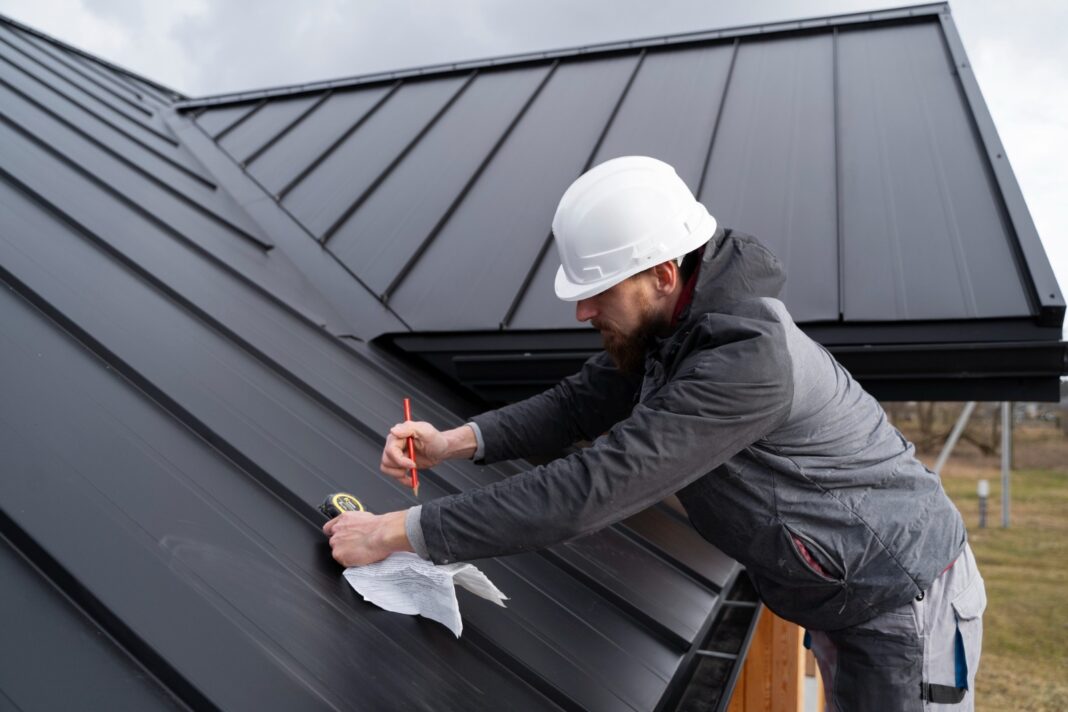
- Schedule a Professional Inspection: Experienced roofing professionals can identify hidden storm damage that may not be visible during a ground-level inspection.
Factor in the Severity of Recent Storms
Not every storm affects your roof the same way. The intensity of recent weather should determine how quickly an inspection is scheduled.
Heavy winds exceeding 50 mph, large hail, or falling tree limbs can damage roofing materials even when no obvious leaks are present. High winds may lift shingles, loosen flashing, or compromise roof fasteners without immediately exposing the underlying structure.
If your neighborhood experienced severe hail, fallen branches, or significant wind damage, arranging a prompt inspection helps identify developing issues before they worsen over time.
Assess Commercial Roof Structures
Commercial roofing systems often require additional attention after severe weather because hidden damage can affect large roof areas.
- Inspect Roofing Membranes: Look for punctures, tears, displaced materials, or areas where standing water may develop after storms.
- Identify Hidden Moisture: Professional inspections may include advanced moisture detection methods that help locate water trapped beneath roofing materials before visible leaks appear.
- Remove Storm Debris Promptly: Branches, leaves, and other debris can block drainage systems, create unnecessary roof loads, and contribute to premature roofing deterioration if left in place.
Schedule Extra Inspections During Tornado Season
Spring tornado season brings an increased risk of roof damage throughout Northwest Arkansas. Even when tornadoes do not directly strike a property, nearby wind events and hailstorms can create damage that deserves professional evaluation.
Scheduling additional inspections after major spring storms helps identify lifted shingles, damaged flashing, loosened roofing materials, and other storm-related issues before they result in leaks or structural repairs.
Regular inspections also help support insurance claims by providing timely documentation following severe weather events.
Coordinate with an Arkansas Roofing Company
Partnering with an experienced arkansas roofing company immediately after a storm helps simplify the inspection and repair process while protecting your investment.
- Fast Response: Local roofing professionals can quickly assess storm damage and recommend temporary measures that help prevent additional water intrusion.
- Insurance Documentation: Detailed inspection reports and photographs provide valuable information that supports insurance claims and repair estimates.
- Prevent Additional Damage: Prompt inspections reduce the likelihood of moisture intrusion, mold growth, and structural deterioration that often develop when roof damage goes unnoticed.
Plan Follow-Up Inspections After Multiple Storms
Timely roof inspections help protect homes and commercial properties throughout Northwest Arkansas after severe weather. Waiting too long can allow small roofing problems to become expensive repairs while increasing the risk of interior water damage.
At Platinum Roofing, we provide professional roof inspections for residential and commercial properties across Arkansas. Our experienced team identifies storm damage, documents roofing conditions, and recommends practical solutions that help protect your property for the long term.

