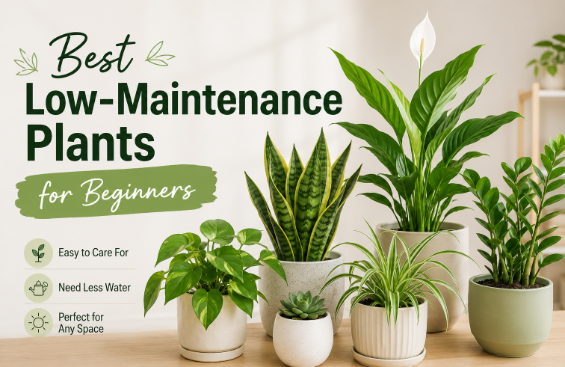
Introduction to Low-Maintenance Plants
Low-maintenance plants have gained popularity among gardening enthusiasts and novices alike, mainly due to their simple care requirements and resilience. These plants are particularly suitable for beginners who may feel overwhelmed by the complexities of plant care. By selecting low-maintenance plants, one can enjoy the beauty of greenery without dedicating excessive time or resources to maintenance.
One of the most significant benefits of low-maintenance plants is the time they save. Novice gardeners often have busy lives and may find it challenging to devote time to regular watering, pruning, and general care. Low-maintenance varieties are typically drought-tolerant or require minimal watering, allowing for an effortless gardening experience. This aspect is particularly appealing to individuals with limited gardening experience or those balancing various responsibilities.
Moreover, low-maintenance plants can effectively reduce stress. Caring for plants has been linked to positive mental health outcomes, promoting relaxation and peace of mind. The simple act of tending to low-maintenance varieties can provide a sense of accomplishment and a break from daily stressors, making them an excellent choice for beginners seeking a calming hobby.
Additionally, these plants contribute positively to indoor air quality. Many low-maintenance species, such as snake plants and succulents, are known for their air-purifying properties. By incorporating these plants into one’s living space, beginners can enhance their home’s aesthetic and foster a healthier indoor environment.
In conclusion, low-maintenance plants represent an accessible and rewarding starting point for those new to gardening. With their time-saving requirements, stress-relief benefits, and contributions to air quality, they stand out as ideal choices for beginners aiming to cultivate their green thumbs with ease.
Understanding the Needs of Low-Maintenance Plants
For individuals embarking on their journey into horticulture, comprehending the needs of low-maintenance plants is essential. These plants, which are often ideal for beginners, exhibit specific requirements that facilitate care without excessive commitment. Light, water, and soil conditions are three fundamental aspects to consider when selecting low-maintenance species.
Firstly, light requirements can vary significantly among different low-maintenance plants. Some thrive in bright indirect light, while others can flourish in low-light conditions. Understanding the light requirements is crucial for proper placement in a home or garden environment, ensuring that the selected plants can photosynthesize effectively and remain healthy.
Secondly, water needs are another important consideration. Low-maintenance plants usually have adaptable watering requirements, making them forgiving for novice gardeners. Most of these plants prefer the soil to dry out between watering sessions, which helps prevent overwatering—a common mistake for many beginners. Familiarizing oneself with the watering cycle of a particular plant type can be advantageous, thereby promoting healthy growth.
Additionally, soil conditions play a significant role in the vitality of low-maintenance plants. Many prefer well-draining soil, which prevents root rot and promotes strong root systems. Beginners should seek out potting mixes tailored for specific types of plants, as this can simplify the planting process and enhance the success rates of growth.
By acquiring knowledge about the light, water, and soil needs of low-maintenance plants, beginners can make informed decisions when selecting plants suited to their lifestyle and environment. This foundational understanding not only encourages successful plant care but also enhances the overall gardening experience.
Top Low-Maintenance Indoor Plants
For those venturing into indoor gardening, selecting options that require minimal care is essential. Here are some of the best low-maintenance indoor plants that are perfect for beginners.
Snake Plant (Sansevieria): The Snake Plant is an excellent choice for novice gardeners due to its hardy nature. This plant thrives on neglect, requiring very little water and tolerating low light conditions. Its striking upright leaves add a modern touch to any space while also purifying the air, making it beneficial for your indoor environment.
Pothos (Epipremnum aureum): Known for its trailing vines and heart-shaped leaves, Pothos is another highly recommended plant for beginners. This species adapts well to a variety of lighting conditions, from low light to bright indirect light. Moreover, it enjoys infrequent watering, as its roots store moisture. With its ability to grow in a range of environments, Pothos is both resilient and visually appealing.
ZZ Plant (Zamioculcas zamiifolia): The ZZ Plant is celebrated for its glossy, thick leaves and its virtually indestructible nature. It can thrive with minimal sunlight and can endure long periods of drought, making it perfect for those who may forget to water regularly. This plant will not only require little maintenance but also enhance the aesthetic of your home.
Spider Plant (Chlorophytum comosum): Spider Plants are characterized by their long, arching green leaves with white stripes. They are known for their air-purifying qualities and are exceptionally forgiving. They adapt to various light conditions and require only moderate watering, making them ideal for beginner indoor gardeners.
In conclusion, investing in low-maintenance indoor plants can greatly simplify the experience for new gardeners. The Snake Plant, Pothos, ZZ Plant, and Spider Plant offer a variety of aesthetic benefits while requiring minimal upkeep, paving the way for a rewarding gardening experience.
Best Low-Maintenance Outdoor Plants
Outdoor gardening can be a rewarding experience, particularly with low-maintenance plants that offer vibrant beauty without excessive care. One of the best options for beginners is lavender. This fragrant herb not only produces stunning purple blooms but also requires minimal watering once established. Positioned in well-drained soil and full sun, lavender can thrive for years with little intervention.
Another excellent choice is sedum, commonly known as stonecrop. This resilient succulent is perfect for those who might forget to water regularly. Sedum varieties come in an array of colors and shapes, making them ideal for ground covers and container planting. They prefer full sun, and their drought-resistant nature makes them suitable for various climates.
If you are looking for flowering options, consider black-eyed Susans. These cheerful yellow flowers are not only visually appealing but are also tolerant to diverse soil types. They bloom throughout the summer and attract pollinators, enhancing your garden’s ecosystem. Minimal care and occasional deadheading are all that is needed to maintain their vibrancy.
For those interested in shrubs, the boxwood is a notable choice. A classic evergreen, boxwood can withstand harsh weather conditions and retains its shape well, requiring only annual pruning. Its adaptability allows it to fit various garden designs, from formal hedges to casual landscapes.
Lastly, the daylily is a magnificent option celebrated for its diverse range of colors. These hardy perennials can flourish in various soil conditions and are almost maintenance-free once established. Daylilies bloom profusely, creating a dazzling display that lasts throughout the growing season.
By selecting these low-maintenance outdoor plants, beginners can enjoy a beautiful garden without the constant upkeep. These hardy plants combine resilience and beauty, establishing a lovely outdoor environment with minimal effort.
Common Mistakes to Avoid with Low-Maintenance Plants
Caring for low-maintenance plants can be a rewarding experience, particularly for beginners. However, several common mistakes can hinder the success of cultivating these plants. By understanding these pitfalls, new plant enthusiasts can enjoy thriving vegetation with minimal effort.
One of the most prevalent issues is over-watering. Many beginners tend to overestimate the water needs of their low-maintenance plants, mistakenly believing that more water equates to better health. In reality, over-watering can lead to root rot, ultimately killing the plant. It is important to research the specific watering requirements for each plant species. For most low-maintenance varieties, allowing the soil to dry out somewhat between waterings is crucial. A general guideline is to check the top inch of the soil; if it feels dry, then it’s time to water.
Another common mistake is neglecting the importance of light conditions. Low-maintenance plants, while generally hardy, still have specific light requirements. Beginners may place their plants in inappropriate lighting—either too much direct sunlight or not enough. It is essential to assess the lighting in the plant’s environment and ensure adequate exposure. Proper lighting not only promotes growth but also minimizes the risk of pest infestations, which can arise from stress due to insufficient light.
Moreover, pest control is often overlooked. While low-maintenance plants are generally resistant to pests, occasional infestations can still occur. Regularly inspecting your plants for any signs of trouble, such as discolored leaves or webs, is a vital practice. Early intervention can prevent minor issues from developing into significant challenges.
By avoiding over-watering, ensuring appropriate light, and staying vigilant about pest control, beginners can enhance their success with low-maintenance plants, ensuring a flourishing and enjoyable gardening experience.
Tips for Successful Plant Care and Maintenance
Successfully caring for low-maintenance plants requires an understanding of their basic needs. First and foremost is the watering schedule. Most low-maintenance plants prefer to dry out slightly between waterings. Overwatering can lead to root rot, which is a common issue for plant owners, especially beginners. A general rule of thumb is to check the moisture level of the soil before watering; if the top inch is dry, it’s time to hydrate the plant. Remember to use pots with drainage holes to prevent excess water from accumulating.
Lighting is another critical factor in plant care. Low-maintenance plants will have specific light requirements depending on the species. Observe your space and identify areas with indirect sunlight, as many low-maintenance plants thrive in bright, filtered light. Conversely, some may tolerate lower light conditions. It is advisable to rotate your plants periodically to encourage even growth and prevent them from leaning towards the light-source.
Fertilization is essential but should be approached cautiously with low-maintenance varieties. Typically, applying a diluted liquid fertilizer during the growing season – typically spring and summer – can promote healthy growth. However, over-fertilizing can harm your plants. A monthly application of a balanced, water-soluble fertilizer is often sufficient. If possible, consider using organic fertilizers which can enhance soil health and promote a sustainable environment for your plants.
Lastly, routine inspection for pests or diseases is beneficial. While low-maintenance plants are generally resilient, keeping an eye out for any signs of trouble can prevent small issues from becoming significant problems. By following these simple guidelines, you can ensure the long-term health and vitality of your low-maintenance plants, allowing you to enjoy their beauty without extensive effort.
How to Create a Low-Maintenance Plant Setup
Setting up a low-maintenance plant environment involves careful consideration of various factors, such as location, potting, and space utilization. By following a few basic guidelines, beginners can establish a thriving plant setup that requires minimal effort and maintenance.
First and foremost, choosing the right location is crucial. Many low-maintenance plants thrive in indirect sunlight, so identify spots in your home or garden that receive filtered light. For indoor spaces, windowsills or shelves near windows can provide adequate light without the risk of scorching. If you lack sufficient natural light, consider using grow lights, which can mimic sunlight and promote healthy growth.
Potting is another key aspect of maintaining a low-maintenance setup. Opt for pots that offer good drainage, as this prevents water retention, which can lead to root rot. Selecting containers made from breathable materials such as terracotta can also aid in moisture control, reducing the frequency of watering. It is advisable to use a high-quality, well-draining potting mix to create an optimal environment for your plants.
When it comes to space utilization, consider the layout and arrangement of your plants. Grouping plants with similar water and light requirements can simplify care and ensure optimal growth conditions. Utilizing vertical space with shelves or wall-mounted planters can maximize your area while providing an aesthetically pleasing display. Additionally, consider incorporating self-watering pots or systems to further decrease maintenance requirements.
By following these steps—choosing the right location, ensuring proper potting, and optimizing space—you can create a low-maintenance plant setup that allows you to enjoy the beauty of greenery with minimal effort. This environment not only enhances your living space but also encourages the growth of resilient plants, making them an ideal choice for beginners.
Seasonal Care for Low-Maintenance Plants
Understanding how to adjust care for low-maintenance plants throughout the changing seasons is essential for promoting their longevity and health. Each season brings unique challenges and opportunities based on temperature variations, light conditions, and moisture levels. This section will explore effective strategies for ensuring your plants thrive year-round, all while minimizing the amount of attention required.
During the spring, as the days grow longer and temperatures rise, many low-maintenance plants enter their active growth phase. To support this growth, it is advisable to gradually increase watering frequency, allowing the soil to dry out slightly between sessions. Furthermore, this is an optimal time to reassess light conditions, ensuring that plants are receiving adequate sunlight, as longer days can stimulate growth. If necessary, rotate potted plants slightly to achieve uniform light exposure.
As summer approaches, consider the potential for drought periods. While low-maintenance plants are forgiving, their needs can change. Ensure that watering is consistent, particularly during heat waves, when soil can dry out quickly. Applying a layer of mulch around the base of the plants helps retain moisture, reducing the need for frequent watering. Additionally, be cautious of direct afternoon sunlight for certain species that may be sensitive to excessive heat; strategically placing them in partial shade can prevent sunburn.
As autumn arrives, many plants naturally enter dormancy. During this transition, it is important to cut back on watering, allowing the soil to dry out more between watering sessions. For indoor plants, adjusting their position away from cool drafts and ensuring they still receive indirect sunlight can be beneficial. As winter sets in, most low-maintenance plants will require minimal care; however, keep an eye out for signs of overwatering, as roots can be susceptible to rot in cooler, darker conditions.
Conclusion and Encouragement for Beginners
As we draw this exploration of low-maintenance plants to a close, it is important to reiterate the immense benefits they offer for those embarking on their gardening journey. These resilient plants not only require minimal care but also provide the opportunity to cultivate a thriving indoor or outdoor garden without overwhelming commitment. For beginners, selecting low-maintenance options can serve as a perfect introduction to the rewards of gardening, allowing you to build confidence while enjoying the beauty of nature.
Starting with plants that are forgiving and easy to care for can make the gardening experience enjoyable and less daunting. The low-maintenance plants highlighted throughout this blog post—such as succulents, snake plants, and pothos—serve as excellent companions on this journey. These plants are known for their adaptability and can flourish with minimal intervention, opening the door for beginners to learn about plant care at their own pace.
Furthermore, engaging with low-maintenance plants can have therapeutic effects; the act of nurturing plants can reduce stress and cultivate a sense of accomplishment. As you watch your plants thrive, you may find yourself inspired to expand your plant collection and dive deeper into gardening. Therefore, do not hesitate to embark on this fulfilling path. With low-maintenance options by your side, you are well-equipped to create a vibrant plant haven that reflects your personal style.
In conclusion, embracing low-maintenance plants is an excellent way to kick-start your gardening journey. Their resilience not only fosters a welcoming environment for newcomers, but also instills a lasting appreciation for the joy that gardening can bring. So gather your pots, choose your plants, and step confidently into the world of gardening! Your adventure awaits.

