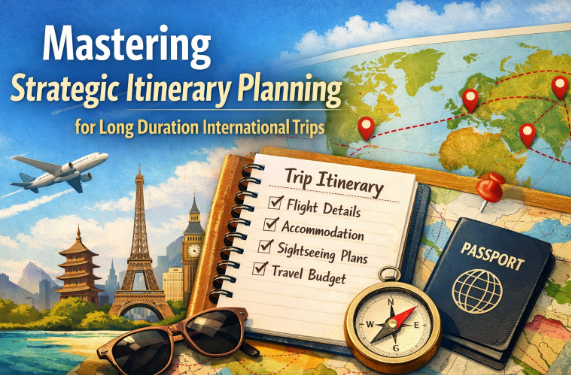
Understanding the Importance of a Strategic Itinerary
Strategic itinerary planning plays a crucial role in enhancing the overall experience of long-duration international trips. By outlining a detailed plan, travelers can ensure that they maximize enjoyment while minimizing potential complications during their journey. A well-crafted itinerary serves as a roadmap, providing structure and organization that can make navigating unfamiliar destinations significantly easier.
One of the primary benefits of a strategic itinerary is the ability to optimize time and resources. Travelers can prioritize must-see attractions and allocate sufficient time for exploration, while also allowing for flexibility to accommodate changes or unexpected opportunities. Without a solid plan, individuals may find themselves overextended or missing out on key experiences, leading to dissatisfaction and frustration.
Moreover, a strategic itinerary aids in budget management. By forecasting expenses and pre-booking accommodations and activities, travelers can take advantage of discounts and avoid last-minute price surges. This forethought contributes to a more streamlined and enjoyable travel experience, as individuals can spend less time worrying about logistics and more time savoring their surroundings.
Additionally, having a strategic plan can help mitigate unforeseen circumstances. Whether it is changes in weather, transportation mishaps, or other unexpected events, a comprehensive itinerary allows travelers to adapt their plans effectively. Knowing backup options in advance can reduce stress and enhance resilience during the trip. Furthermore, with an itinerary in place, travelers can focus on the joys of exploring new cultures, cuisines, and environments.
In conclusion, investing time in strategic itinerary planning is essential for ensuring a memorable travel experience. Ultimately, this approach not only maximizes enjoyment but also provides the tools necessary to navigate the complexities of international travel with confidence and ease.
Setting Travel Goals and Preferences
When embarking on a long-duration international trip, establishing clear travel goals is fundamental to effective itinerary planning. The initial step involves reflecting on what the traveler truly desires from this journey. Are you drawn to cultural experiences, thrilling adventures, or perhaps seeking relaxation amidst serene landscapes? Each type of trip demands a different approach to determine the most suitable destinations and activities.
Cultural trips often entail exploring historical sites, attending local festivals, and engaging with the native populace. Here, the focus lies on immersive experiences that foster a deeper understanding of a destination’s heritage. On the other hand, adventure travel may include activities such as hiking, scuba diving, or exploring natural phenomena and wildlife. This type of journey prioritizes thrill and exploration over downtime.
For those seeking relaxation, wellness retreats, beach getaways, or tranquil nature experiences may top the list. Understanding these preferences helps in selecting activities that align with the overall goals, providing a fulfilling itinerary. An effective strategy to pinpoint these goals is to create a checklist of must-see landmarks, desired activities, and any specific experiences that enhance personal enjoyment.
Moreover, personal preferences influence itinerary decisions remarkably. Travel with family might necessitate kid-friendly activities, whereas solo travelers may seek opportunities for personal growth through solo adventures. Individual interests, such as culinary exploration or art appreciation, further tailor the trip to cater specifically to the traveler. Finally, aligning your preferences with your travel goals will not only streamline the planning process but also ensure a rewarding and personalized travel experience.
Researching Destinations and Cultural Insights
When planning a long-duration international trip, thorough research on potential destinations is imperative. Understanding the local customs, cultural heritage, and language basics can significantly enhance the travel experience. Each country boasts its unique traditions and etiquette that can influence interactions with locals, thus enriching your stay.
First, familiarize yourself with the local customs. These may include social norms such as greetings, dress codes, and gift-giving practices. For instance, in certain cultures, a handshake is customary, while in others, a slight bow is more appropriate. Knowing these nuances enables travelers to respect local traditions, thereby fostering positive relationships with the community. Moreover, it may prevent unintentional offenses that could arise from cultural misunderstandings.
Language is another crucial aspect of travel preparation; even basic knowledge of essential phrases can go a long way. Learning how to say “hello,” “thank you,” and “please” in the local language can enhance communication and show appreciation for the local culture. Additionally, many people appreciate when travelers make an effort to speak their language, often leading to more meaningful interactions.
Cultural etiquette also extends to daily practices such as dining customs, public behaviors, and even photography. Understanding which behaviors are considered polite or impolite can smooth your interactions and create a more immersive travel experience. For example, in some countries, it is customary to share meals, while in others, dining is a more individual affair. Researching these aspects can help you navigate social situations with ease.
In conclusion, engaging in substantial research on destinations and cultural insights before embarking on your international adventure proves beneficial. It not only enhances your understanding of the locale but also allows for a more enriching and respectful travel experience, making your long-duration trip truly memorable.
Creating a Balanced Itinerary
A well-crafted international trip itinerary should encompass a harmonious mix of sightseeing, relaxation, and exploration. Striking this balance is crucial, as it allows travelers to fully appreciate their surroundings while also ensuring they have opportunities to recharge. When planning, it’s necessary to allocate sufficient time for iconic attractions without overwhelming oneself. For example, if visiting a historic city, one might consider dedicating a full day to major landmarks, while reserving evenings for leisurely strolls or dining at local restaurants.
Additionally, integrating periods of relaxation into the schedule can enhance the overall travel experience. These breaks serve not only to avoid burnout but also to provide moments for reflection on the journey. One effective approach is to intersperse busy sightseeing days with lighter days that might include park visits, spa treatments, or simply unwinding at a hotel. This structured downtime can rejuvenate travelers, preparing them for the more vigorous plans ahead.
Flexibility is another vital component of effective itinerary planning. While it is essential to have a planned schedule, the ability to adapt to unforeseen circumstances can significantly elevate the travel experience. Unexpected events may lead to exciting opportunities such as hidden markets, local festivals, or spontaneous excursions that were not accounted for in the original itinerary. Travelers are encouraged to leave open slots in their plans, which allows room for these serendipitous discoveries.
Moreover, being open to changes in the itinerary can foster a deeper connection with the destination. A refined approach includes regular assessments of pacing and priorities based on energy levels and interests. This method not only helps optimize the overall enjoyment of the trip but also supports a sense of adventure, ultimately enriching the travel experience.
Budgeting for Your Trip
Effective budgeting is a cornerstone of strategic itinerary planning for long-duration international trips. A well-thought-out budget helps travelers manage expenses related to transportation, lodging, food, activities, and unforeseen costs. The first step in the budgeting process is to delineate the key components of your trip.
When it comes to transportation, consider various modes of travel. While flying may offer the fastest options, consider trains and buses for inner-country travel, as they can often be more economical. Researching and booking your flights well in advance can lead to significant savings. Websites and apps offering fare alerts can also help you snag the best deals closer to your travel dates.
Lodging options range from hotels and hostels to vacation rentals and home-sharing services. Understanding the location of your accommodation relative to local attractions can also influence your travel budget by reducing transportation needs. Comparison platforms can assist travelers in finding the most affordable lodging that suits their requirements and preferences.
Food expenses can vary widely depending on preferences and destinations. Dining in local markets or casual establishments tends to be less expensive and offers a more authentic cultural experience. Setting aside a daily allowance for meals can help in maintaining a balanced budget. It is also wise to budget for a few splurges to ensure you can enjoy unique dining experiences.
In addition to planned expenses, it is prudent to allocate a portion of your budget for unexpected situations, such as medical emergencies or unforeseen travel delays. This cushion can offer peace of mind throughout the journey. Lastly, utilizing travel rewards programs can significantly reduce costs. Frequent flyer miles and hotel loyalty points can be leveraged to achieve savings, making your trip not only enjoyable but financially sustainable.
Choosing Accommodations Wisely
When planning long-duration international trips, selecting the right type of accommodation can significantly impact the overall experience. There are various options available, each coming with its own set of advantages and disadvantages. Understanding these can help travelers make informed decisions that align with their itinerary.
Hotels are one of the most traditional forms of accommodation. They offer a range of facilities and services, including room service, daily housekeeping, and on-site dining. This can be advantageous for travelers who value comfort and convenience. However, one downside is that hotels can often be more expensive, especially for extended stays, which can strain a budget.
Hostels provide a cost-effective alternative, particularly appealing to younger travelers or those on a tight budget. These offer dormitory-style rooms, promoting social interaction among guests. While hostels can foster camaraderie and provide a lively atmosphere, they may lack privacy and comfort compared to other accommodation types.
Vacation rentals, such as apartments and homes listed on platforms like Airbnb, have gained immense popularity. They offer the flexibility of self-catering, enabling travelers to save money by preparing their own meals. Additionally, they often provide a more authentic local experience than hotels. Conversely, the quality of vacation rentals can vary significantly, leading to potential disappointments when tenants arrive.
Lastly, local homestays offer a unique opportunity to immerse oneself in the local culture while living with residents. Homestays allow travelers to gain insights into local traditions and lifestyles, enriching the trip. However, they may present challenges in terms of privacy and comfort, as the living conditions might differ from conventional accommodations.
In summary, the choice of accommodation for long-duration international trips should reflect personal preferences, budget constraints, and the overall travel itinerary, balancing comfort, cost, and cultural experiences.
Transportation Planning Within Your Itinerary
When embarking on a long-duration international trip, effective transportation planning is vital for ensuring seamless travel between destinations. Choosing the right mode of transport can significantly enhance your experience and facilitate better time management. Within the realm of transportation, travelers have various options to consider, including public transport, rental cars, and domestic flights.
Public transport can be an economical and environmentally friendly choice for getting around in foreign countries. Many cities offer extensive bus and metro systems that are often both affordable and efficient. Researching public transport options in advance can help you familiarize yourself with routes, schedules, and ticketing systems, allowing for smoother navigation and reduced stress during your travels.
Renting a car provides flexibility and autonomy, particularly in areas where public transportation options may be limited. It is essential to consider factors such as road conditions, local driving regulations, and parking availability when planning to drive abroad. Opting for rental services that offer comprehensive insurance and a local emergency contact can enhance your peace of mind while exploring new regions independently.
For longer distances or remote locations, domestic flights might be the most time-efficient way to reach your next destination. In regions with significant geographical spans, such as Southeast Asia or South America, utilizing local airlines can save travelers precious time. Be mindful, however, of flight availability, pricing fluctuations, and baggage policies applicable to budget airlines, as these factors will influence your overall travel costs.
In conclusion, effective transportation planning is a crucial element of strategic itinerary development for long-duration international trips. By weighing the pros and cons of public transport, rental cars, and domestic flights, you can select the best options that align with your travel objectives, ensuring a comfortable and efficient journey throughout your adventures abroad.
Health and Safety Considerations
When planning long-duration international trips, health and safety should be primary considerations. Adequate health insurance is essential, as it ensures that travelers can access medical services without incurring exorbitant costs. Before embarking on your journey, check your existing health insurance policy to ascertain whether it covers international travel. If not, consider purchasing travel insurance that specifically includes medical coverage, as this will provide peace of mind and financial protection against unforeseen health issues.
In addition to health insurance, vaccinations play a crucial role in travel health. Research any required or recommended vaccinations for the countries you will be visiting. Certain regions may pose health risks, such as diseases transmitted by mosquitoes or waterborne illnesses. Consulting with a healthcare provider or travel clinic well before departure can help ensure you are adequately vaccinated and informed about potential health risks.
Beyond insurance and vaccinations, adopting preventive measures can significantly enhance safety during your trip. Maintaining a healthy lifestyle while traveling is also paramount. Stay hydrated, eat nutritious foods, and get adequate rest to bolster your immune system. Furthermore, familiarize yourself with local health services and emergency numbers at your destination, which can be invaluable in case of a health emergency.
Moreover, implementing basic safety tips is crucial. Avoid walking alone at night, keep your belongings secure, and be cautious of your environment. Staying connected with friends or family back home can create an additional safety net, allowing someone to track your travels and check on your well-being regularly.
By prioritizing health and safety considerations, you can enhance your long-duration international trip, allowing for a more fulfilling and worry-free experience abroad.
Reviewing and Adjusting Your Itinerary
One of the most critical steps in mastering strategic itinerary planning for long duration international trips is the necessity of reviewing and adjusting your itinerary as needed. An itinerary is not a rigid document; rather, it should be seen as a flexible framework designed to enhance your travel experience. As you embark on your journey, circumstances may change, and being open to modifying your plans can significantly enhance your overall satisfaction.
During your travels, it is beneficial to gather feedback from both yourself and fellow travelers. This ongoing evaluation process allows for the identification of aspects of the trip that may require adjustment. For instance, if you discover a certain activity is not as fulfilling as anticipated or if the weather does not permit planned outdoor endeavors, being willing to adapt can lead to better experiences. Additionally, locals you encounter may suggest alternatives that are more enjoyable or culturally enriching, which could warrant a shift in your itinerary.
Real-time changes can also contribute to a more spontaneous and immersive travel experience. This flexibility can help alleviate stress when facing unforeseen hurdles such as transportation delays or increased travel time. Embracing the unexpected can lead to hidden gems and authentic experiences that structured itineraries often overlook. Moreover, making adjustments ensures that the trip remains aligned with your interests and evolving desires; this is vital for long-duration trips where your energy and excitement levels may fluctuate.
Overall, regularly reviewing and adjusting your itinerary is an essential part of effective travel planning. This approach not only helps in optimizing the journey but also encourages a more engaged, enjoyable, and fulfilling travel experience. As travel is inherently dynamic, adapting your plans ensures that you make the most of every opportunity presented during your travels.

