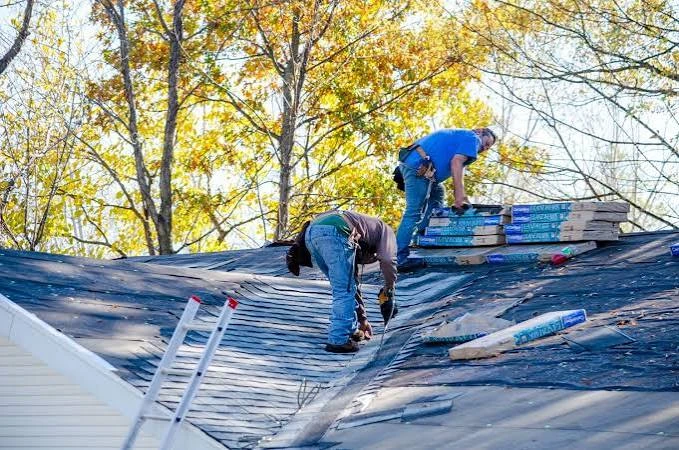
Replacing your roof during the winter may sound challenging, but with proper planning and an experienced roofing contractor, it can be completed successfully. In fact, waiting until spring isn’t always the best option—especially if your roof is leaking or has suffered storm damage. Taking the right steps before, during, and after a winter roof replacement helps protect both your home and the new roofing system.
Before the project begins, homeowners should clear snow and ice from driveways and walkways to provide safe access for roofing crews and material deliveries. If vehicles are normally parked close to the home, moving them to another location gives contractors additional space for equipment, dumpsters, and cleanup.
Winter weather can change quickly, so professional roofing companies closely monitor the forecast before beginning a roof replacement. If freezing rain, high winds, or heavy snowfall are expected, the installation may be postponed until safe working conditions return. This helps protect both the roofing crew and the quality of the finished installation.
Keeping your attic properly insulated and ventilated is especially important during the winter. Warm air escaping into the attic can melt snow on the roof, leading to ice dams along the eaves. A new roof combined with proper ventilation and insulation helps maintain a more consistent roof temperature and reduces the risk of winter moisture problems.
During the installation, roofing crews work efficiently to minimize the amount of time the roof deck is exposed. If weather changes unexpectedly, waterproof tarps are used to protect the home until work can safely continue. Experienced contractors always have a plan for protecting the roof if conditions change.
Homeowners should also expect some additional noise during the installation. Since windows are usually closed during the winter, the work may sound louder inside the home than it would during warmer months. Keeping children and pets away from work areas helps everyone stay safe while the project is underway.
After the roof replacement is complete, it’s a good idea to inspect your attic during the next few weeks for any signs of unusual moisture or ventilation issues. Cleaning snow away from roof vents when necessary and keeping gutters free of ice and debris also helps the new roofing system perform its best throughout the winter season.
A winter roof replacement also provides immediate protection against future storms. New shingles, underlayment, ice and water barriers, flashing, and ventilation components are designed to work together to handle snow, freezing rain, and Northeast Ohio’s demanding winter conditions.
Replacing a roof during the winter is entirely possible when it’s planned correctly. With experienced installers, careful weather monitoring, quality materials, and attention to detail, homeowners can enjoy the benefits of a new roof without waiting for warmer temperatures—protecting their home when it matters most.

