Understanding Upholstered Furniture
Upholstered furniture refers to seating or other furniture pieces that are cushioned and covered with fabric, leather, or other materials. This category includes a wide range of items such as sofas, chairs, ottomans, and benches. The appeal of upholstered furniture lies in its ability to provide both style and comfort, making it a favored choice in both residential and commercial settings.
Common materials used in upholstery are varied. They range from natural fibers like cotton, linen, and wool to synthetic options such as polyester, nylon, and acrylic. Each material brings its own unique qualities to the furniture. For instance, cotton is breathable and easy to clean, while leather is known for its durability and luxurious appearance. Moreover, the use of high-quality foam or down for cushioning enhances the comfort level, making upholstered furniture a go-to option for relaxation.
The advantages of incorporating upholstered furniture into a space are numerous. Primarily, it provides a significant boost in comfort, especially when selecting pieces meant for lounging or gathering. Additionally, upholstered furniture can enhance the aesthetics of a room, allowing for personal expression through various colors, patterns, and textures. This versatility helps homeowners and designers alike to create inviting atmospheres that meet both functional and visual needs.
Despite the numerous benefits, the need for proper cleaning and maintenance cannot be overstated. Upholstered furniture is susceptible to stains, dirt, and dust accumulation. Regular upkeep not only prolongs the life of these pieces but also maintains their visual appeal and hygiene. Therefore, understanding how to care for and protect this furniture type is crucial for anyone who values both comfort and style in their environment.
Importance of Cleaning Upholstered Furniture
Upholstered furniture is a staple in many homes and workplaces, providing comfort and style. However, without regular cleaning, these pieces can accumulate dirt, stains, allergens, and bacteria, significantly affecting both their appearance and the health of occupants. This underlines the necessity of understanding the importance of cleaning upholstered furniture.
Over time, dirt and dust particles can embed themselves within the fabric, leading to unsightly stains and an overall dingy appearance. As these particles build up, they can make upholstered pieces appear worn and less inviting. Additionally, spills from drinks or food can create permanent stains if not addressed promptly, further detracting from the aesthetic appeal of the furniture.
Beyond visual aspects, accumulated allergens such as dust mites, pet dander, and pollen can significantly diminish indoor air quality. This poses health risks, especially for individuals with allergies or respiratory problems. A thorough cleaning regimen can help mitigate these risks by removing allergens and bacteria, thus creating a healthier living environment.
Regular maintenance not only enhances the longevity of upholstered furniture but also retains its original charm and comfort. By investing time in cleaning, homeowners can protect their furniture, ensuring it remains an attractive feature of their decor. Furthermore, regular cleaning can prevent costly repairs or replacements in the long run, making it a practical approach to furniture care.
To summarize, cleaning upholstered furniture is not merely a cosmetic endeavor; it serves to improve health outcomes and prolong the life of the furniture. Establishing a consistent cleaning routine will yield dividends in both aesthetics and well-being, providing a comfortable, inviting space for all occupants.
Tools and Supplies Needed for Cleaning
When it comes to effective cleaning and maintaining the appearance of upholstered furniture, having the right tools and supplies is crucial. The primary tool for regular upkeep is a vacuum cleaner equipped with the appropriate attachments. A vacuum cleaner with a soft brush head is ideal for gently removing dust, debris, and loose particles from fabric surfaces. This not only helps in keeping the upholstery looking fresh but also prevents dirt from settling into the fibers.
Stain removers are another essential supply in your upholstery cleaning toolkit. It is advisable to choose a stain remover that is suitable for the specific type of fabric you are working with. For fabric that is particularly delicate, opt for a water-based cleaner, as harsher chemical agents can damage the fibers. Additionally, having a selection of brushes can be beneficial; a soft-bristled brush can help with agitating stubborn stains while being gentle on the fabric.
Microfiber cloths are indispensable when cleaning upholstery since they are highly absorbent and non-abrasive. Utilizing microfiber cloths ensures that you can effectively blot stains without risking damage to the fabric. Furthermore, a steam cleaner can provide deep cleaning capabilities, effectively eradicating allergens and bacteria while rejuvenating the upholstery fibers. Steam cleaning is a method that uses hot vapor to loosen dirt and grime, making it one of the most effective ways to clean upholstery without the need for chemical cleaners.
In addition to the aforementioned items, having a set of optional supplies can be advantageous. For instance, an upholstery brush can help maintain the nap of the fabric, while fabric protectors can be applied post-cleaning to guard against future stains. As you gather your tools, consider your specific cleaning needs to ensure that you are well-prepared for any cleaning challenge that comes your way.
Detailed Cleaning Process for Upholstered Furniture
Cleaning upholstered furniture is essential for maintaining its aesthetic appeal and longevity. The process begins with preparation, which involves testing the fabric for colorfastness. To do this, apply a small amount of your chosen cleaning solution in an inconspicuous area and blot it with a clean white cloth. If there is no color transfer, you can safely proceed with your cleaning process.
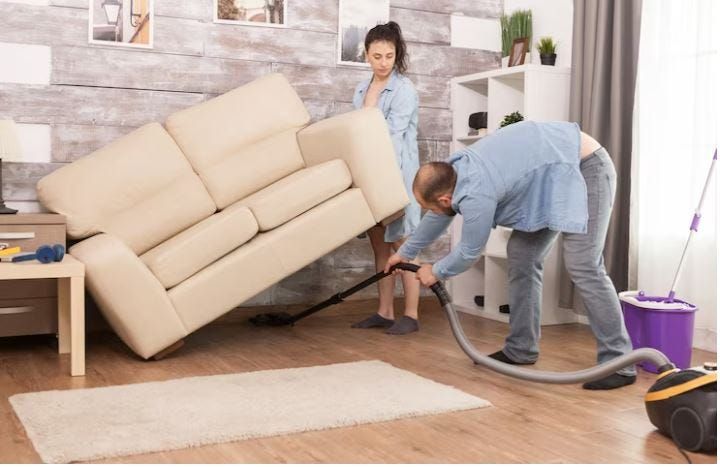
The next step is vacuuming. Use an upholstery attachment on your vacuum cleaner to carefully remove dust, dirt, and debris from the surface of the furniture. Pay special attention to crevices and seams, as these areas often harbor trapped particles. Regular vacuuming is crucial, as it prevents dirt from embedding into the fabric fibers.
For spot cleaning, identify stains and use a suitable cleaning solution. Blot the stained area gently with a clean cloth; do not rub, as this can cause the stain to spread. Instead, work from the outside of the stain toward the center, using a circular motion. For persistent stains, consider using a diluted solution of mild dish soap or a stain-specific product, following the manufacturer’s instructions.
Deep cleaning is an essential part of the cleaning process and can be achieved in several ways. One effective method is steam cleaning, which utilizes steam to penetrate fabric fibers and loosen dirt. Ensure that the steam cleaner is appropriate for your upholstery type and follow the device’s recommendations regarding the distance and duration of application.
After cleaning, proper drying is critical to prevent mildew. If possible, allow the furniture to air dry naturally, ensuring good ventilation in the room. If your upholstered piece is still damp, use fans or moisture absorbers to expedite the drying process. Avoid direct sunlight as it can cause the fabric to fade.
By following these steps, you can ensure that your upholstered furniture remains clean and visually appealing for years to come.
Removing Common Stains from Upholstery
Upholstered furniture is an attractive addition to any home, but it is not immune to common stains. Identifying the type of stain and employing the correct removal technique is vital for maintaining the appearance of your furniture. Common stains on upholstered surfaces include food and beverage spills, ink marks, pet stains, and oil-based stains.
For food and beverage stains, it is crucial to act quickly. Blot the area with a clean cloth to absorb as much of the spill as possible. A mixture of mild dish soap and lukewarm water can gently lift these stains. Apply the solution with a soft cloth, blotting rather than rubbing, to prevent damage to the fabric. Rinse with plain water and blot dry with a towel.
Ink marks, often challenging to remove, can effectively be treated with rubbing alcohol. Soak a cotton ball in rubbing alcohol and gently dab the stain until it begins to lift. After treating the ink, clean the area with soapy water to remove any residue, then rinse and dry the fabric.
Pet stains can pose a unique challenge, caused by both liquids and odors. A mixture of white vinegar and water can effectively neutralize odors and assist in stain removal. Spray the affected area with the vinegar solution, let it sit briefly, and then blot it dry. If the stain persists, use an enzyme-based cleaner designed specifically for pet stains, following the product instructions carefully.
Finally, oil-based stains necessitate special attention. Cornstarch or baking soda can absorb oil if sprinkled on the stain and left to set for approximately 15 minutes. Afterward, brush off the powder and apply a mild detergent solution to lift the remaining residue. Always test any cleaner on a hidden area first to ensure it does not adversely affect the upholstery.
Protecting Upholstered Furniture from Future Damage
Upholstered furniture, while adding comfort and style to a space, is also susceptible to stains and damage. Preventative measures are essential in ensuring that these valuable pieces maintain their aesthetic and functional qualities over time. One effective way to protect upholstered furniture is by applying a fabric protectant, which acts as a barrier against spills and stains. Numerous products on the market are designed specifically for this purpose, often featuring water and stain-repellent properties. When choosing a protectant, it is crucial to select one that is suitable for the specific fabric type to avoid any adverse effects.
Another practical approach to safeguarding upholstered furniture is using furniture covers. Protective covers can be made from materials that are resistant to stains and scratches, providing an additional layer of defense. These covers can be easily removed and washed, making maintenance more convenient. Additionally, using throws or decorative pillows not only enhances the aesthetic appeal but also provides protection from everyday wear and tear.
It is vital to act promptly on any spills or stains that do occur. Quick treatment can often prevent damage from becoming permanent. Lightly blotting the spill with an absorbent cloth—rather than rubbing—can help lift away the liquid without spreading it further. Following up with appropriate cleaning solutions tailored to the specific fabric can help maintain the integrity of the upholstery.
Furthermore, regular maintenance, including vacuuming and gentle brushing, can extend the life of upholstered furniture. This practice removes dust and debris that might cause friction and wear over time. By implementing these preventative strategies, homeowners can proactively protect their upholstered furniture, ensuring it remains a source of comfort and style for years to come.
Regular Maintenance Tips and Tricks
To ensure the longevity and pristine appearance of upholstered furniture, regular maintenance is essential. Establishing a cleaning schedule is the first step in keeping your pieces in good condition. It is advisable to vacuum upholstered furniture at least once a week. This practice removes dust, pet hair, and other debris that can accumulate and lead to stains or odor.
Additionally, daily care involves flipping or rotating cushions if they are removable. This helps maintain their shape and prevents wear patterns from developing. For fabrics that are more prone to staining, consider investing in a fabric protector. This will create a barrier against spills and make cleaning easier.
When accidents happen, it is crucial to address spills immediately. Blot the affected area gently with a clean, dry cloth to absorb as much liquid as possible. Avoid rubbing, as this can push the stain deeper into the fibers. Depending on the type of material, a simple mixture of mild soap and water may suffice for cleaning, but always refer to the manufacturer’s care instructions for specific advice.
It is also recommended to schedule professional cleaning services every 12 to 18 months, especially for high-usage items. These professionals utilize specialized equipment and solutions that can deeply clean the fabric without damaging it. Regular professional cleanings not only refresh the look and feel of the upholstery but also help in extending its lifespan.
By following these regular maintenance tips and incorporating minor daily practices, you can effectively care for your upholstered furniture, ensuring it remains as beautiful and functional as the day you brought it home.
Choosing Professional Cleaning Services
When considering professional upholstery cleaning services, it is essential to assess several factors to ensure that you select a reputable provider that meets your specific needs. First, evaluate the experience of the cleaning service. Many established companies have years of expertise, which is critical in understanding how to effectively clean and care for various upholstery fabrics.
Next, investigate the cleaning methods employed by the company. Different techniques, such as steam cleaning, dry cleaning, or extraction, can have varied effects on upholstery materials. Ensure that their methods are suitable for the type of fabric in your furniture to avoid damage. Additionally, look for eco-friendly cleaning options if environmental considerations are important to you.
Cost is another crucial aspect to consider when selecting a professional cleaning service. While it may be tempting to choose the lowest priced service, it’s important to balance cost with quality. Request quotes from multiple companies and inquire about what is included in the service. Understanding these details can help you avoid unexpected charges.
Customer reviews and testimonials provide further insights into a service’s reliability and effectiveness. Checking online reviews and asking for references can give you a clearer picture of the company’s reputation and the satisfaction levels of previous customers. Engaging with a service that has strong positive feedback is often a reliable indicator of quality.
During a professional cleaning appointment, expect the cleaners to assess your furniture and discuss the specific cleaning plan tailored for your upholstery. They should outline their approach and provide an estimated duration for the cleaning process. By taking the time to choose wisely, you can ensure that your upholstered furniture receives the best care possible.
Conclusion and Final Thoughts
Upholstered furniture can significantly enhance the aesthetic and comfort of a home, but it also requires regular maintenance to keep it looking its best. Throughout this blog post, we have explored essential strategies for cleaning and protecting upholstered furniture effectively. By understanding and implementing these methods, such as using appropriate cleaning products and techniques, homeowners can extend the life of their investments.
We discussed the importance of routine cleaning practices, which not only remove dirt and allergens but also prevent the buildup of stains and grime. Regular vacuuming, spot cleaning, and using protective treatments are crucial steps that can significantly improve the longevity of upholstery. By integrating these habits into your home care routine, you can preserve the appearance and texture of your furniture.
Additionally, we highlighted the advantages of professional cleaning services. While DIY methods can be effective, professional cleaners offer the expertise and equipment necessary to tackle tough stains and deep clean upholstery thoroughly. This can be especially beneficial for particularly delicate fabrics or extensive cleaning needs.
In conclusion, maintaining Upholstered furniture requires a combination of regular care and occasional professional assistance. By adopting a consistent cleaning routine and considering expert help when necessary, you can ensure that your upholstered items remain in excellent condition for years to come. We encourage you to prioritize the upkeep of your furniture, as doing so enhances not only the aesthetic appeal but also the overall comfort and hygiene of your living space. Your furniture deserves the best, and with the right approach, it can provide you with lasting enjoyment and functionality.

