Introduction to Mountain Adventures
Mountain adventures encompass a wide range of activities that allow individuals to explore some of the most breathtaking and challenging terrains on Earth. These excursions draw adventure seekers from all walks of life, providing them with the unique opportunity to connect with nature while pushing their physical and mental limits. The allure of the mountains lies not only in their stunning landscapes but also in the multitude of activities they offer, including hiking, rock climbing, skiing, mountain biking, and more.
For many, the mountains represent an escape from the fast-paced lifestyle of urban living. The chance to traverse rugged trails, scale towering cliffs, or navigate snowy slopes thrills those who yearn for adventure and camaraderie. Each step taken in these mountainous realms is an invitation to experience exhilaration, as well as a heightened sense of accomplishment with every summit reached. The beauty of mountain landscapes, characterized by towering peaks, lush valleys, and pristine lakes, only enhances the sense of adventure, creating memorable experiences that last a lifetime.
Moreover, the mountains are not just about physical challenges; they also offer opportunities for introspection and rejuvenation. The tranquility found amid towering pines and serene alpine meadows provides a stark contrast to the chaos of daily life. Adventure seekers can participate in guided tours or venture out on their own, discovering hidden gems and stunning vistas that may not be accessible to the casual traveler. Whether one seeks adrenaline-fueled sports or peaceful retreats, the mountains beckon as a prime destination for those in search of adventure and exploration.
Choosing the Right Mountain Destination
When embarking on a mountain travel adventure, selecting the right destination is crucial for ensuring a fulfilling experience. Several factors should guide your choice, including the type of activities you wish to engage in, your skill level, the time of year, and the prevailing weather conditions.
For individuals passionate about hiking, the Rocky Mountains in North America or the Swiss Alps in Europe offer an array of trails catering to different experience levels. Beginners might find the well-marked paths in the Appalachian Mountains more suitable, featuring options that allow for easier navigation while enjoying scenic views. Conversely, advanced hikers seeking challenging terrains may consider tackling the Torres del Paine in Chile, known for its rugged beauty and demanding routes.
For those inclined towards climbing, destinations such as the Himalayas provide numerous opportunities, with iconic summits like Mount Everest drawing climbers from around the globe. Ensure that your skill set aligns with the demands of the chosen climbing route; prior experience and adequate training are essential. In contrast, ski enthusiasts might opt for the resorts found in the French Alps or the Canadian Rockies where diverse slopes and snow conditions attract winter sports lovers.
Timing your visit based on the season is another vital consideration. The best time for alpine skiing usually falls between December and March, while hiking season in most mountainous regions typically spans from late spring to early autumn. Be mindful of local weather patterns, as mountain climates can shift rapidly, affecting not only comfort but also safety during your adventure.
By carefully assessing your interests and capabilities alongside the factors listed, you can choose a mountain destination that promises an unforgettable adventure aligned with your desires and abilities.
Essential Gear and Equipment
When embarking on mountain adventures, whether for hiking, climbing, skiing, or snowboarding, having the right gear is crucial for both enjoyment and safety. The type of activities you choose to undertake should guide your selection of equipment, and it is vital to ensure that gear is suited to seasonal conditions.
For hiking, sturdy footwear is indispensable. Hiking boots with proper ankle support and adequate traction are essential, especially on uneven terrains. Additionally, breathable clothing made from moisture-wicking materials can enhance comfort during strenuous activities. A reliable backpack should be used to carry hydration systems, food, navigation tools, and first-aid kits. Also, a weather-appropriate jacket is necessary to protect against sudden changes in climate.
When it comes to climbing, specialized gear becomes increasingly important. Climbers must equip themselves with harnesses, climbing ropes, and protective devices such as carabiners and belay devices. Depending on the route, helmets are a must to ensure safety against falling debris. It’s advisable to always check your equipment for wear and tear before embarking on each climb.
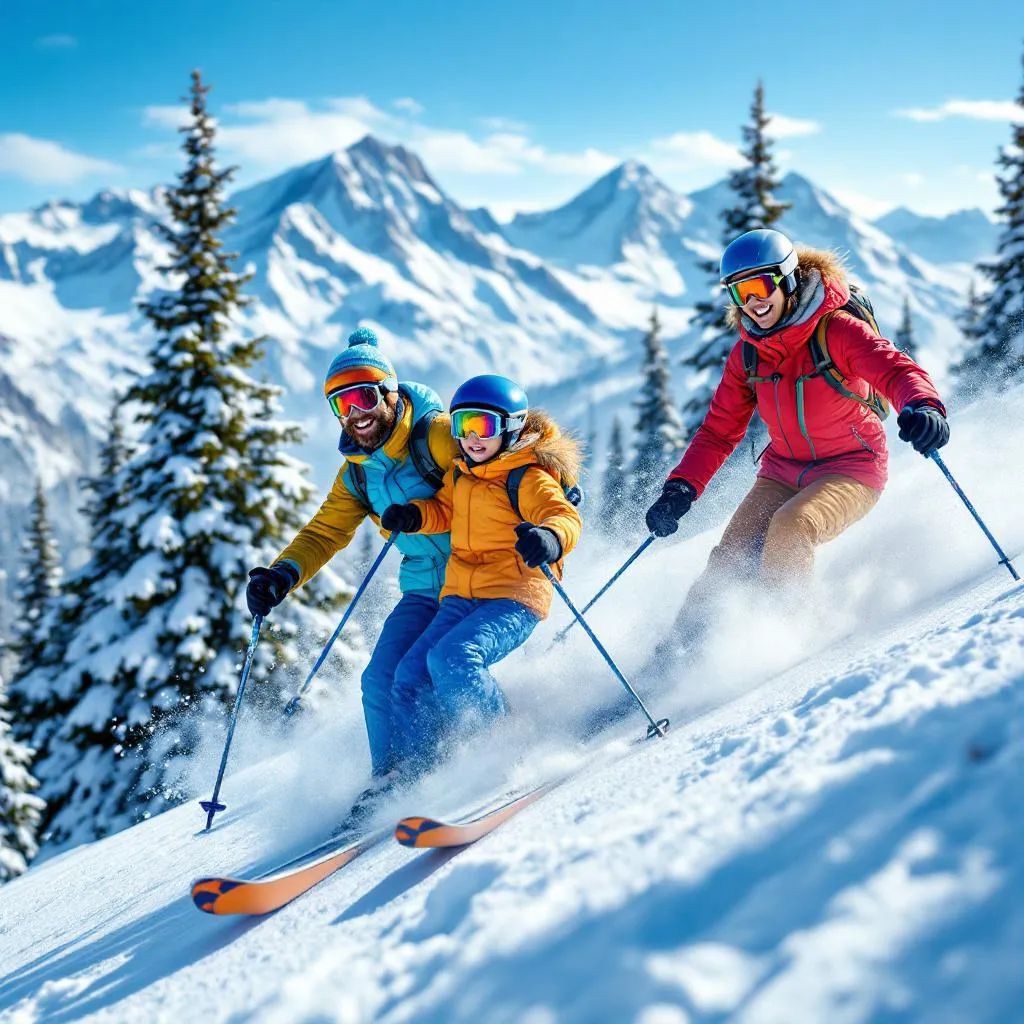
Skiing and snowboarding require additional considerations. Skis or snowboards must match your skill level and be appropriate for the terrain. Ensure your bindings are properly adjusted to your weight and skill level. In addition to these, safety equipment such as helmets, goggles, and avalanche safety gear, including transceivers and shovels, should be part of your packing list in winter months.
Seasonal adjustments are vital. For instance, in summer conditions, lighter gear may be used, while winter excursions necessitate insulated clothing and equipment for snow conditions. Ultimately, being well-equipped contributes to a safer and more enjoyable mountain experience, regardless of the nature of your adventure.
Planning Your Itinerary
Creating a well-rounded travel itinerary for mountain adventures requires careful consideration of various factors, including the environment, physical fitness levels, and the overall objective of the trip. The first step in the planning process is to research the destination thoroughly. Consider factors such as the local climate, terrain, and available activities. Understanding these aspects will help you tailor your itinerary to suit the mountain range you are exploring.
Once you have a clear picture of your destination, outline the primary activities you wish to include in your itinerary. This may encompass hiking, rock climbing, skiing, or simply enjoying scenic vistas. Schedule these activities with an awareness of their intensity and time requirements. Remember to allocate sufficient time for acclimatization, especially at higher altitudes where oxygen levels decrease, affecting your body’s performance.
In addition to planned adventures, it is important to incorporate downtime into your itinerary. Allowing for rest periods is essential for maintaining energy levels and enhancing the overall experience. Mountains can present unexpected challenges, so build flexibility into your schedule to accommodate unforeseen delays, such as weather changes or trail conditions. For example, if a particular hiking trail is deemed unsafe due to weather, having alternative activities or additional leisure time will ensure your plans remain intact.
Moreover, be sure to set aside time for sightseeing and appreciation of the local culture. Engaging with local communities or visiting historical sites can enrich your adventure. Each mountain region has its own unique offerings that can enhance the travel experience, making a balanced itinerary one that allows for both adventure and exploration.
Safety Tips for Adventure Seekers
When venturing into the mountains, safety should be a top priority for every adventure seeker. Proper precautions can help mitigate risks and ensure a safe and enjoyable experience. One important aspect of mountain travel is weather awareness. Mountain weather can change rapidly, so it is essential to check forecasts before your trip and stay updated during your journey. Look for signs of impending storms, including darkening skies or increased wind, as these can signal a need to alter your plans.
Navigation skills are another critical area to focus on. Understanding how to read topographic maps and use a compass is vital, especially in remote areas where trails may be unmarked. Consider investing in GPS devices or smartphone applications that can aid in navigation. However, be aware that technology can fail, so always have a backup plan involving traditional navigation methods should the need arise.
Emergency preparedness is essential when exploring mountainous regions. Preparation includes having a first aid kit, knowing basic first aid procedures, and familiarizing yourself with how to handle emergencies, such as getting lost or encountering wildlife. Another crucial safety measure is to inform someone about your itinerary and expected return time. This ensures that, should anything go wrong, someone will notice your absence and can initiate a search.
Lastly, tracking your personal fitness level cannot be overstated. It is essential to understand your physical limits and choose adventures that align with your fitness capabilities. Progressively tackling more challenging hikes or climbs can help build endurance and skill. Always listen to your body, and if you feel fatigued or unwell, do not hesitate to turn back. Ensuring your safety and that of your companions should always take precedence over completing a predetermined itinerary.
Local Culture and Sustainability Practices
Understanding the local culture and sustainability practices is essential for any traveler venturing into mountainous regions. These areas often host unique ecosystems and communities that have developed valuable traditions and practices over generations. Engaging with these cultures respectfully can enhance the travel experience while ensuring minimal disruption to the environment.
To begin with, it is vital for visitors to familiarize themselves with the customs, languages, and traditions of the local populace. By demonstrating cultural sensitivity, such as greeting locals in their native language or respecting traditional dress codes during visits to sacred sites, travelers foster goodwill and deepen their connection to the area. Additionally, participating in local events or festivals can offer deeper insights into community values and ways of life, enriching the journey.
Sustainability practices, on the other hand, encompass a range of actions aimed at preserving the delicate balance of mountain ecosystems. Adventure seekers should prioritize eco-friendly activities such as hiking on marked trails, avoiding littering, and minimizing noise pollution. Utilizing reusable products instead of single-use plastics is another effective measure travelers can adopt to reduce their environmental footprint.
Engaging with local businesses—such as hiring local guides or sourcing food from community farms—also supports sustainable tourism. This not only provides economic benefits to the residents but encourages the preservation of local customs and traditions. Overall, responsible travel to mountainous regions hinges on an understanding and respect for local cultures and a commitment to sustainable practices. Such efforts not only enhance personal experiences but also help in protecting the integrity and beauty of these incredible landscapes for future generations.
Must-Experience Activities in the Mountains
For adventure seekers, the mountains offer a diverse range of exhilarating activities suitable for a variety of skill levels and interests. Among the most popular activities is rock climbing, which allows enthusiasts to challenge their physical limits against steep cliffs and rugged terrain. With options ranging from bouldering in warmer climates to multi-pitch climbing in colder regions, rock climbing can be enjoyed year-round, although the best conditions typically exist in the spring and fall.
Paragliding is another thrilling adventure that provides a unique perspective of the breathtaking landscapes. Participants launch from elevated points, soaring above valleys and enjoying panoramic views. This activity is best experienced in the warmer months when thermals are more stable, making the flights smoother and longer.
Backcountry skiing caters to those who seek to combine adventure with tranquility. Off the beaten path, skiers navigate unmarked terrains, providing an exhilarating experience far from crowded resorts. The ideal season for backcountry skiing is during winter, particularly from December to April, when snowfall is abundant, making it an ideal escape for nature lovers.
For those who prefer to explore on two wheels, mountain biking presents an exciting option. Trails range from easy paths suitable for beginners to thrilling downhill tracks designed for skilled bikers. This activity can be pursued during the summer and early fall months, when trails are dry and conditions are optimal for cycling.
Each of these activities offers a unique way to experience the majestic beauty of mountainous landscapes, appealing to adventurers year-round while providing memorable experiences in nature.
Finding the Best Guides and Tours
When planning a mountain adventure, selecting the right guides and tour companies can significantly enhance your experience. The first step in finding reputable mountain guides is to conduct thorough research. Start by reading reviews on trusted platforms such as TripAdvisor or outdoor forums, where fellow travelers share their experiences. Look for companies that have consistently high ratings and positive feedback from a variety of clients. Consider their expertise in the specific activities you are interested in, whether it be hiking, climbing, or skiing.
A key criterion in choosing a tour operator is their certifications and safety standards. Opt for guides who are certified by recognized national or international organizations that regulate outdoor activities. This ensures that they possess the necessary skills and knowledge to manage both the adventures and potential emergencies. Additionally, inquire about their protocols for equipment maintenance and training practices, as these reflect their commitment to safety.
Guided experiences offer several advantages over self-led adventures. An experienced mountain guide not only knows the best routes and hidden gems but can also provide valuable insights into the local ecology and cultural history, enriching your journey. Furthermore, the presence of a guide enhances safety, particularly in challenging terrains or unpredictable weather conditions. Guided tours often include logistical support, making the adventure more enjoyable by allowing you to focus on the experience rather than the planning.
Ultimately, finding the best mountain guides and tour companies requires attention to detail and careful evaluation of your options. By choosing experienced and reputable operators, you can ensure a memorable and safe mountain adventure that matches your personal interests and skill level.
Post-Trip Reflection and Next Steps
After an exhilarating mountain adventure, it is essential for travelers to engage in a thorough reflection on their experience. This practice not only enhances personal growth but also informs future trips. Start by evaluating the trip through various lenses: consider the physical challenges you faced, the stunning landscapes you witnessed, and the interactions with fellow travelers and locals. Think critically about what aspects were most enjoyable and which may require adjustments when planning your next journey.
Sharing your experiences is another effective way to cement your memories and learn from them. Capturing your adventures through storytelling, photos, or even video blogs enables you to articulate your experiences to others, sparking discussions and insights that can shape future plans. Whether you opt to create an online travel journal or share your narratives through social media, the act of storytelling can reinforce the lessons learned during your mountain exploration.
Additionally, as you reflect on your adventure, it is necessary to brainstorm what you wish to pursue in your next outing. Perhaps there are specific trails you were unable to conquer, skills you want to develop, or types of climates you wish to explore. This thought process can guide you towards your next destination, ensuring that you build upon your past experiences. Establishing clear goals and identifying any necessary training or preparations can significantly enhance your future mountain travels.
Ultimately, the reflection process is invaluable. It fosters a deeper connection between you and the mountains, ensuring that each adventure is not just a fleeting moment but a step towards becoming a more skilled and conscious traveler.

