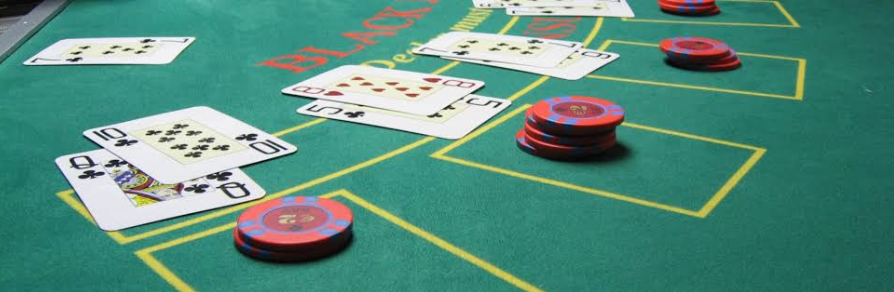
Blackjack Rules and Table Variations
Blackjack gives the player more control than any other casino game. Online blackjack games hand you decisions on every hand, and those decisions move the house edge directly. Correct play brings the figure under 0.5% on a good table.
Table rules matter as much as the decisions. Two tables running the same game can differ by more than a full percentage point. The rules panel states every variable before you sit down.
The Basic Sequence
Each hand follows the same order. You place a bet; the dealer deals two cards to you and two to itself. One dealer card sits face up.
You then choose an action. Hit takes another card, stand keeps the total, double doubles the bet for one card, and split separates a pair into two hands. The dealer plays last under fixed rules. A total above 21 loses immediately.
Rules That Move the Edge
Small print changes the maths considerably. The table below shows the effect of each rule.
| Rule | Effect on House Edge |
| Blackjack pays 3 to 2 | Baseline |
| Blackjack pays 6 to 5 | Adds about 1.39% |
| Dealer stands on soft 17 | Removes about 0.22% |
| Double after split allowed | Removes about 0.14% |
| Late surrender offered | Removes about 0.08% |
| Eight decks against one | Adds about 0.5% |
Deck Count
Fewer decks favour the player. A single deck game holds a lower edge than an eight-deck shoe. The difference reaches half a percentage point.
Online tables mostly run six or eight decks. Live studios use physical shoes with the same counts. Software versions sometimes shuffle after every hand, which removes any card tracking. Single deck tables often compensate with a 6 to 5 payout, which costs more than the deck advantage saves.
Side Bets
Optional wagers sit beside the main bet spot. They pay far more and cost far more in edge terms.
- Perfect Pairs, paying up to 25 to 1 on a matched suited pair;
- 21+3, paying up to 100 to 1 on a suited three of a kind;
- Insurance against a dealer ace, paying 2 to 1;
- Bust It, paying on a dealer bust with a set card count;
- Royal Match, paying on a suited king and queen;
The Insurance Question
Insurance appears when the dealer shows an ace. The bet costs half the original stake and pays 2 to 1 on a dealer blackjack. The offer looks like protection.
The maths says otherwise. A dealer blackjack arrives less often than the 2 to 1 payout justifies. The bet carries a house edge near 7% on standard shoes. Correct basic strategy declines insurance on every hand.
Basic Strategy
A strategy chart lists the correct action for every combination. Your total and the dealer’s up card determine it. The chart comes from millions of simulated hands.
Hard Totals
Hands with no ace or with an ace counted as one. Stand on 17 or higher. Hit on 8 or lower. The range between depends entirely on the dealer card.
Soft Totals
Hands with an ace counted as eleven. A soft 18 plays differently to a hard 18. Doubling opportunities appear more often on these hands.
Pairs
A matched pair opens the split decision. Always split aces and eights. Never split tens or fives. The remaining pairs depend on the dealer up card.
Variant Games
Several rule sets carry their own names. Each shifts the maths in a specific direction.
Double Exposure shows both dealer cards and pays even money on blackjack. Blackjack Switch lets you swap cards between two hands and pushes on a dealer 22. Spanish 21 removes all ten-value cards and adds bonus payouts. Each variant needs its own strategy chart.
Choosing a Table
A quick review before the first hand pays for itself. Follow the steps below.
- Check the blackjack payout. Confirm 3 to 2 rather than 6 to 5.
- Read the dealer rule. Look for stand on soft 17 where possible.
- Note the deck count. Fewer decks favour the player on equal rules.
- Check double and split rules. Confirm doubling after a split is allowed.
- Skip the side bets. Keep the stake on the main hand only.
FAQ
What return does blackjack offer?
About 99.5% with correct basic strategy on a favourable table. Poor rules and guesswork drop that figure by several points.
Why does 6 to 5 matter so much?
It cuts the payout on your strongest hand. The change adds roughly 1.39% to the house edge, more than any other single rule.
Should I ever take insurance?
No. The bet carries a house edge near 7%. Basic strategy declines it regardless of your own hand total.
Which pairs should I always split?
Aces and eights, on every dealer up card. Tens and fives never split under any circumstances.
Does card counting work online?
No. Software versions shuffle every hand, and live studios cut the shoe early. Neither format allows a usable count.
Are side bets worth playing?
They carry house edges of 3% to 8%, far above the main game. Keeping the stake on the main hand returns more over time.

