Understanding Healthy Habits
Healthy habits are defined as routines or practices that contribute positively to an individual’s overall well-being. These behaviors impact various aspects of health, including mental, physical, and emotional spheres. Establishing and maintaining healthy habits can significantly enhance quality of life, reduce the risk of disease, and increase longevity. They are essentially actions that individuals can incorporate into their daily lives to foster a balanced lifestyle.
There are numerous types of healthy habits, each playing a crucial role in personal well-being. Physical activity is one of the cornerstones of a healthy lifestyle, as regular exercise supports cardiovascular health, muscle strength, and mental clarity. Similarly, nutrition is paramount; consuming a balanced diet rich in fruits, vegetables, lean proteins, and whole grains can have profound effects on energy levels and mood stability. Adequate sleep is another critical component, as it allows the body to recover and repair, significantly affecting cognitive function and emotional regulation.
Moreover, stress management techniques such as mindfulness, meditation, and regular relaxation practices are vital for mental health. These habits help in coping with daily pressures and improving resilience against stress-related issues. Collectively, these foundational habits create a multifaceted approach to health that supports an integrated and harmonious lifestyle.
Understanding the significance of these healthy habits is the first step toward incorporating them into one’s life. When individuals acknowledge how various aspects of their routine influence overall health, they are better equipped to make conscious choices that promote longevity and happiness. By committing to these practices, one can pave the way for sustained wellness and vitality throughout life.
The Science of Habit Formation
Habit formation is a complex process that involves both psychological and neurological mechanisms. To understand how habits become ingrained in our daily routines, it is essential to explore the habit loop, which consists of three critical components: cue, routine, and reward. The cue serves as the trigger that initiates a behavior, while the routine is the specific behavior itself, and the reward is the positive reinforcement that follows the behavior, creating a feedback loop that encourages repetition.
The brain plays a pivotal role in this process. Specifically, the basal ganglia, a cluster of structures involved in the control of voluntary motor functions, is integral to habit formation. When a new behavior is performed consistently in response to a specific cue, neural pathways are strengthened over time, making the action more automatic. This leads to a reduction in cognitive load, allowing individuals to conserve mental energy for other tasks.
Dopamine, a neurotransmitter, is another important factor in the habit formation process. It is released in response to the reward following a behavior, reinforcing the established connection between the cue and the routine. This chemical response not only motivates individuals to repeat actions that lead to pleasure or satisfaction but also helps in the encoding of these behaviors into long-term memory. As habits are practiced, they become easier to perform, often requiring less conscious thought.
Understanding the science of habit formation enables individuals to leverage these principles effectively. By identifying specific cues, establishing clear routines, and rewarding themselves appropriately, one can cultivate healthy habits that endure over time. Additionally, recognizing the role of neurological structures and dopamine can empower individuals to modify detrimental habits by reframing their associated cues and rewards.
Setting Realistic Goals
Setting realistic goals is paramount when embarking on the journey to establish healthy habits that last. One effective framework for goal setting is the SMART criteria, which stand for Specific, Measurable, Achievable, Relevant, and Time-bound. This structured approach not only enhances clarity but also significantly increases the likelihood of success.
To begin with, it is crucial to define specific goals. Rather than embarking on a vague aspiration like “I want to be healthier,” one might say, “I aim to exercise for 30 minutes, five times a week.” Such specificity transforms an ambiguous objective into a clear target. Next, making sure these goals are measurable aids in tracking progress. In the previous example, documenting each workout can provide tangible evidence of advancement, motivating individuals to stay on track.
Moreover, the achievability of the goals cannot be overstated. Setting overly ambitious objectives can lead to frustration and a sense of defeat. Therefore, consider your current lifestyle and capabilities. If you’re new to exercising, starting with a goal of walking for ten minutes each day may be a more plausible starting point. As one builds confidence and capacity, they can gradually increase the intensity and duration of their exercise regimen.
It is equally important that the goals are relevant to one’s personal health aspirations. Goals should align with individual motivations and values in order to foster sustained commitment. For instance, someone who values familial interactions may set a goal to institute a weekly family walk.
Lastly, establishing time-bound objectives creates urgency and encourages individuals to stay focused. The goal should have a clear deadline, such as achieving a specific weight within three months. By breaking down larger health aspirations into smaller, manageable steps that adhere to the SMART criteria, individuals can navigate their way toward sustainable healthy habits with greater ease and motivation.
Creating a Supportive Environment
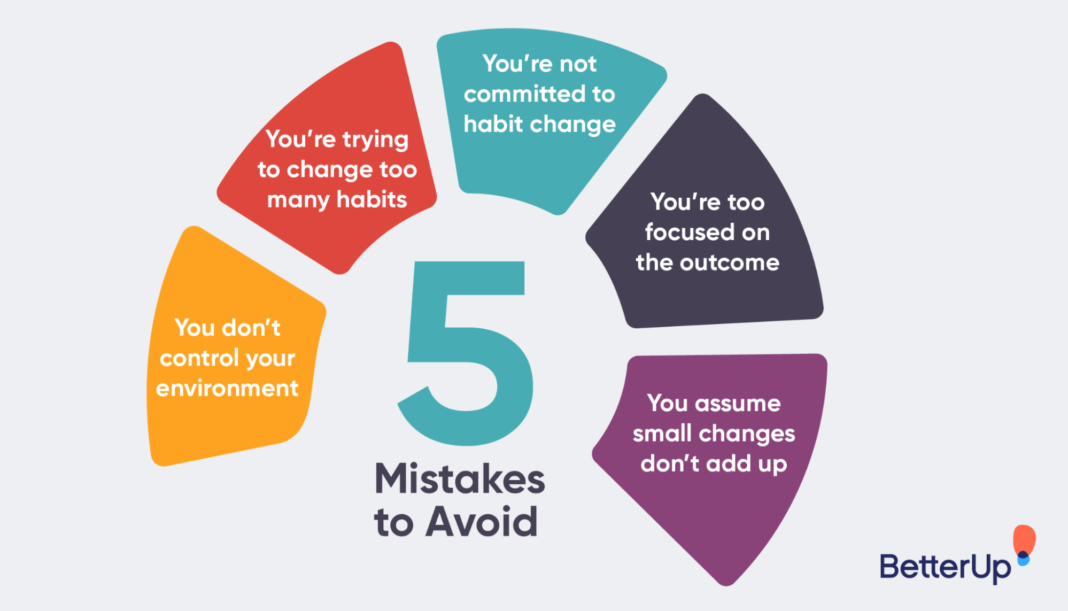
Creating a supportive environment is crucial in the pursuit of building and maintaining healthy habits. Our surroundings inevitably influence our choices, often serving as triggers for both positive and negative behaviors. By strategically modifying our environment, we can facilitate the establishment of lasting habits that contribute to our well-being.
One effective strategy for creating such an environment is to remove temptations that might lead to unhealthy choices. This might involve clearing out junk food from the pantry, or minimizing the presence of sugary snacks within easy reach. The act of decluttering your space not only decreases the likelihood of indulgence in unhealthy snacks but also promotes mental clarity and focus, making it easier to stick to healthier options.
Meal preparation is another critical component of fostering a healthy environment. Having a well-stocked kitchen with fresh fruits, vegetables, and whole food options sets the stage for nutritious eating. Preparing meals in advance can significantly reduce the chances of resorting to fast food when hunger strikes, thereby encouraging more balanced eating habits. Consider routinely having healthy snacks on hand, such as nuts or yogurt, to support sustained energy levels throughout the day.
Additionally, designating a specific space for physical activity can also enhance your commitment to health. Whether it’s a corner of your living room outfitted with exercise equipment or a nearby park for outdoor workouts, having a designated space promotes regular exercise. This not only makes it easier to engage in physical activity but also instills a sense of routine and predictability in your day-to-day life.
Ultimately, a positive environment is pivotal for maintaining motivation and consistency in establishing healthy habits. By consciously simplifying choices and enhancing your surroundings, you create a foundation that supports your health goals and facilitates sustainable habit formation.
Consistency Over Perfection
When it comes to building healthy habits that stand the test of time, the principle of consistency outweighs the pursuit of perfection. Many individuals fall into the trap of striving for an unattainable ideal, often leading to feelings of frustration and inadequacy. Instead, focusing on gradual progress in your habits can lead to more sustainable outcomes.
Establishing consistency means committing to small, manageable actions that can be integrated into your daily routine. For instance, if your goal is to exercise regularly, consider starting with just ten minutes a day rather than aiming for an hour. This not only makes the goal more attainable but also fosters a sense of achievement. Over time, these small increments can significantly contribute to your overall fitness.
It is essential to acknowledge that setbacks are a natural part of any habit-building journey. Life frequently presents challenges that can disrupt our routines. However, instead of perceiving these interruptions as failures, view them as opportunities to learn and adapt. Reflect on what contributed to these setbacks and use that insight to inform your future approach. For example, if you miss a few workouts due to a busy schedule, assess how you might better plan your time moving forward.
Furthermore, maintaining motivation during challenging times is crucial. One effective strategy is to establish a supportive environment, whether through friends, family, or online communities who share similar goals. By connecting with others, you can hold each other accountable while gaining encouragement from shared experiences. Ultimately, the journey of building healthy habits is not about perfect adherence but about persistence and commitment to your well-being.
Tracking and Reflecting on Progress
Tracking progress and reflecting on achievements is crucial in the pursuit of establishing healthy habits. By maintaining a record of one’s journey, individuals can visualize their growth over time. This can be achieved through various methods, such as journaling, using mobile applications, or creating progress charts.
Journaling is a powerful tool that allows for self-reflection. Individuals can record daily activities, challenges faced, and feelings experienced during the process of adopting new habits. This not only serves as a personal diary but also highlights patterns and trends, providing insights into what works and what does not. Additionally, it creates an opportunity to celebrate even the smallest victories, which reinforces positive behavior.
Modern technology offers numerous applications specifically designed for habit tracking. These apps provide a user-friendly interface where one can input their daily goals and monitor progress using visual aids such as graphs and pie charts. Some applications even include reminders and prompts, which can be particularly helpful for maintaining motivation. The visual representation of progress can serve to inspire users to stay committed to their goals, as they see a tangible path of their efforts.
Creating charts can be an effective visual aid as well. For instance, drawing an accomplishment chart that maps out milestones achieved can encourage steady progress towards larger goals. By marking points of success, individuals can easily recognize their achievements and gain motivation to continue on their journey of building healthy habits.
In essence, tracking progress and reflecting on achievements are integral components of habit formation. By leveraging tools like journaling, apps, and charts, individuals can cultivate a proactive mindset that emphasizes positivity and growth. This practice not only reinforces current behaviors but also encourages individuals to strive for further progress in their health and wellness journey.
Staying Motivated and Accountable
Maintaining long-term motivation in the pursuit of healthy habits can be challenging. One effective strategy to enhance motivation is to seek out exercise buddies. Engaging in physical activities with friends or family not only adds a social component but also fosters a sense of responsibility towards one another. Knowing that someone else is counting on you to show up for a workout session or a healthy meal prep can create a positive pressure that drives you to stay committed.
In addition to finding exercise partners, joining groups can be a significant motivator. Many communities offer fitness classes, running clubs, or health-focused meetups that provide a sense of belonging and collective motivation. Being part of a group allows individuals to share experiences, celebrate each other’s progress, and even tackle challenges together. This communal support can reinforce the commitment to healthy behaviors and create lasting friendships built around shared goals.
Regular check-ins also play a crucial role in sustaining motivation. Establishing a system for tracking progress—whether through apps, journals, or with accountability partners—allows individuals to reflect on their achievements and areas for improvement. An accountability partner can help you stay aligned with your goals, providing encouragement when motivation wanes and constructive feedback when needed. Moreover, intrinsic motivation, which originates from personal values and desires, can be explored during these check-ins. Identifying the underlying reasons for adopting healthy habits—be it for improved health, enhanced energy levels, or increased fitness—can significantly bolster one’s resolve.
To summarize, cultivating a sustainable motivation for healthy habits involves enlisting the support of exercise buddies, engaging in community groups, and prioritizing regular check-ins with oneself or an accountability partner. These strategies collectively enhance commitment and make the journey toward better health more enjoyable and attainable.
Adapting Habits to Life Changes
Life is marked by constant change, with events such as moving to a new city, changing jobs, or experiencing shifts in family dynamics. Each of these transitions can significantly impact established healthy habits, making it essential to adapt routines thoughtfully. Recognizing that routine disruptions are a natural part of life can help in maintaining a positive outlook during these times.
When faced with life changes, the first step is assessing the current situation and its effects on your established habits. For instance, a new job may alter your schedule, requiring adjustments in meal prep or workout times. In such situations, prioritizing simplicity can be beneficial. For example, consider preparing meals in bulk or engaging in home workouts that do not demand extensive time commitments. This flexibility not only supports adherence to healthy habits but also reduces the stress that may arise from attempting to maintain a previously established routine that is no longer feasible.
Moreover, remaining open to modification and innovation in your approach can be advantageous. If previous habits have revolved around specific time slots or activities that are now impractical, take time to explore alternatives. Engaging in physical activities that align more closely with your current lifestyle, such as brisk walking instead of gym workouts, can also sustain your commitment to health. Furthermore, seeking social support from friends and family can bolster motivation and provide practical help as you transition to new habits.
In summary, although life changes can pose challenges to maintaining healthy habits, with a strategic approach marked by flexibility and innovation, it is possible to adapt seamlessly to new circumstances while continuing to prioritize personal well-being. This adaptability is crucial for ensuring that healthy habits remain a vital aspect of one’s life, regardless of external changes.
Celebrating Successes and Relapses
Building healthy habits is a dynamic process that involves both victories and setbacks. One of the most effective ways to cultivate a lasting positive change is by celebrating successes, no matter how small they may seem. Recognizing and rewarding oneself for achieving minor milestones can create a sense of accomplishment, which serves to reinforce positive behavior. When individuals take the time to acknowledge their progress, they develop a more profound appreciation for their efforts, fostering a heightened motivation to sustain these habits in the long run.
In addition to celebrating successes, it’s crucial to address relapses without self-judgment. Relapses are a natural part of the habit-forming journey. They can occur for various reasons, including stress, changes in routine, or simply forgetting the established practices. Instead of viewing relapses as failures, consider them opportunities to learn and grow. Analyzing the circumstances surrounding a setback can provide valuable insights into personal triggers and areas that may require more attention moving forward.
Self-compassion plays a critical role in effectively navigating both successes and relapses. By treating oneself with kindness during challenging times, individuals are less likely to be deterred by setbacks. Embracing self-compassion encourages a mindset where one does not dwell on mistakes but instead focuses on the progress made towards building healthy habits. This positive attitude makes it easier to bounce back after relapses and maintain commitment to long-term goals. Overall, the practice of celebrating successes and approaching relapses with understanding can significantly enhance the resilience needed for enduring habit change.

