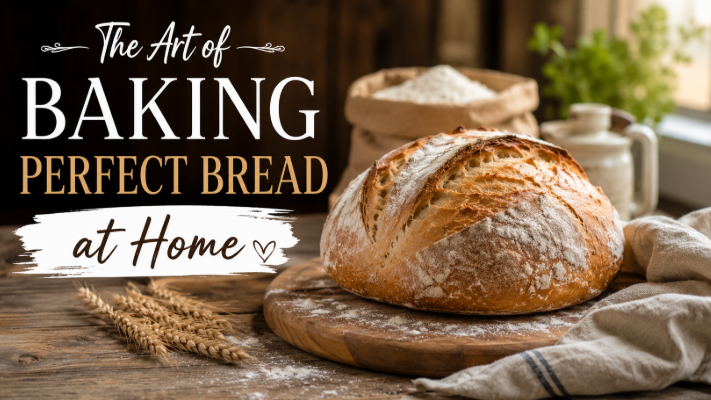
Introduction to Bread Baking
Bread baking is an age-old practice that has been integral to various cultures for centuries. From the leavened loaves of ancient Egypt to the sourdough breads of contemporary kitchens, this craft has evolved yet retained its essential nature. The process of transforming simple ingredients like flour, water, yeast, and salt into a crusty, aromatic loaf is not merely culinary chemistry; it is also an expression of art and tradition.
Historically, bread has held immense significance. It is often referred to as the ‘staff of life’ due to its role as a staple food that sustains civilizations. In many cultures, the act of breaking bread symbolizes community and hospitality, highlighting the social aspect of baking. As society progressed, industrialization led to mass-produced bread, often stripping away the nuances of flavor and texture that come with artisan practices. This shift contributed to the decline in home baking, as convenience became paramount.
However, recent years have witnessed a remarkable resurgence in home baking, particularly during events like the COVID-19 pandemic, which prompted many individuals to return to the basics of cooking and baking. This revival is fueled by a desire for creativity, nostalgia, and the comforting sensation of crafting something by hand. The allure of baking bread at home is not solely about nourishment; it also provides a meditative experience that can be both therapeutic and fulfilling.
Baking bread at home allows individuals to control the ingredients and customize recipes to suit personal tastes and dietary needs. Moreover, the satisfaction derived from pulling a freshly baked loaf from the oven, its aroma enveloping the space, is unparalleled. Thus, the art of baking perfect bread at home is a rewarding endeavor that invites both seasoned bakers and novices to engage in this age-old tradition.
Understanding Ingredients
When embarking on the journey of baking bread at home, understanding the key ingredients is essential for achieving the perfect loaf. The foundation of any bread recipe is flour, which comes in various types, each serving a unique purpose. All-purpose flour is versatile and suitable for most bread, while bread flour, with its higher protein content, promotes gluten development, leading to a chewier texture. Whole wheat flour adds a nutty flavor and more nutrition, though it may produce denser bread without the addition of vital wheat gluten.
Next is yeast, a crucial ingredient that acts as a leavening agent. Yeast ferments sugars in the dough, releasing carbon dioxide and causing the bread to rise. Active dry yeast and instant yeast are commonly used; both types require water to activate. However, while active dry yeast needs to be dissolved in water first, instant yeast can be mixed with dry ingredients directly, making it more convenient for quick recipes.
Water is equally important in bread making. It hydrates the flour, enabling gluten formation and contributing to the overall texture of the bread. The temperature of the water can also affect the fermentation process: warm water encourages yeast activation, while cold water slows it down, leading to longer fermentation times and potentially more nuanced flavors.
Salt, often overlooked, plays a pivotal role in enhancing flavor and controlling yeast activity. It strengthens gluten structure and provides a balance to the dough. Optional additives like sugar can feed the yeast and increase browning, while fats such as butter or oil can enrich the flavor and texture, making the bread softer. Understanding the functions of these ingredients will enable home bakers to experiment and create a variety of delicious breads.
Choosing the Right Equipment
When it comes to baking bread at home, having the right equipment is essential for achieving optimal results. The following tools are critical for successful bread baking:
Mixing Bowls: Mixing bowls are fundamental for combining ingredients. Select bowls made from materials such as glass or stainless steel, as they are durable and easy to clean. A set of various sizes will accommodate different quantities of dough.
Measuring Cups and Spoons: Accurate measurements are key to successful bread making. Invest in a set of dry measuring cups, liquid measuring cups, and measuring spoons. Make sure they are made from durable materials to maintain their precision over time.
Baking Sheets and Pans: The type of baking sheet or pan you use can greatly affect the crust and texture of the bread. Choose heavy-duty, non-stick baking pans or stone baking sheets, which provide even heat distribution. Additionally, consider investing in a loaf pan for classic bread shapes.
Oven Thermometer: An oven thermometer is a necessary tool to ensure your oven is at the correct temperature. Many home ovens can deviate from the set temperature, and a thermometer will help guarantee that your bread bakes perfectly.
Stand Mixer or Hand Mixer: A stand mixer or hand mixer can be extremely beneficial, particularly for kneading dough. Mixers equipped with dough hooks simplify the kneading process and ensure the dough is well developed.
When selecting your baking equipment, opt for high-quality items that promise durability and efficiency. Consider equipment that has versatile features or can be used for multiple purposes. The right tools not only enhance your bread-baking experience but significantly contribute to the quality of the final product.
Basic Bread Recipes to Start With
For those delving into the world of bread making, starting with simple recipes is crucial for building confidence and skill. Here are three beginner-friendly recipes: no-knead bread, country loaves, and soft rolls.
No-Knead Bread: No-knead bread is an excellent choice for novice bakers. Using just four ingredients – flour, water, salt, and yeast – this recipe requires minimal effort and no special equipment. Combine these ingredients in a bowl, let the mixture rise for 12 hours, then bake in a preheated Dutch oven. The result is a crusty, artisan-style loaf that tastes remarkable without extensive kneading.
Country Loaf: Another simple recipe involves creating a country loaf that features a more traditional preparation method. Mix all-purpose flour with whole wheat flour for a rustic flavor. Combine with warm water, yeast, and salt. Once the dough is formed, allow for a first rise until doubled in size, then shape and place in a proving basket. After a second rise, bake at a high temperature for a perfect crust. This recipe provides room for personalization; consider adding herbs, seeds, or even cheese for added flavor.
Soft Rolls: If you prefer something light and fluffy, soft rolls are an ideal start. The basic ingredients include bread flour, milk, sugar, yeast, and butter. The dough should be kneaded until smooth and allowed to rise. After shaping into individual rolls, let them rise again before baking. This recipe is flexible; you might add garlic for savory rolls or incorporate dried fruits and nuts for sweetness.
Each of these recipes allows for personal variations based on dietary preferences. By experimenting with different flours or adding favorite ingredients, bakers can create something unique. Starting with basic bread recipes encourages continued exploration and variety in homemade bread baking.
The Bread Making Process
Baking perfect bread at home requires a structured approach encompassing several key stages: mixing, kneading, rising, shaping, and baking. Each step of this process plays a critical role in developing the desired texture and flavor of the bread.
The first step is mixing the ingredients, which typically includes flour, water, yeast, and salt. Proper measurement is essential, as it influences the dough’s hydration and consistency. Once the ingredients are combined, they should be mixed until a dough forms. This initial blending helps to dissolve the yeast and distribute it evenly throughout the mixture.
Next comes the kneading process. Kneading is crucial for developing gluten, which imparts elasticity and strength to the dough. It can be done by hand or with a stand mixer. The dough should be kneaded for approximately 8-10 minutes until it becomes smooth and elastic. During this stage, one can also incorporate additional ingredients like herbs or spices to enhance flavor.
Following kneading, the dough needs to rise, a process known as fermentation. This stage can take from one to several hours, depending on the ambient temperature and the yeast used. A proper rise allows the dough to double in size, resulting in a lighter, airier loaf. Monitoring this stage is crucial, as under or over-proofing can adversely affect the texture.
After the first rise, the dough is shaped into its final form. This step not only influences the appearance of the bread but also aids in creating structured layers. Once shaped, the dough undergoes a final rise, or proofing, which enhances the flavor through further fermentation.
Lastly, baking is where the magic happens. Preheating the oven ensures that the bread rises well as it bakes. Steam can be introduced during the initial moments of baking to create a crisp crust. The resulting loaf should have a golden-brown exterior and a hollow sound when tapped on the bottom—indicators of a perfectly baked product. By meticulously following each step, one can achieve a home-baked bread that is both flavorful and texturally delightful.
Common Baking Techniques and Tips
Baking perfect bread at home involves mastering several key techniques that contribute to both the texture and flavor of the final product. One primary technique is kneading, which develops gluten in the dough. Gluten provides the structure necessary for the bread to rise and retain its shape. For optimal results, knead the dough for about 10 minutes using a firm yet gentle hand, or opt for a stand mixer with a dough hook attachment for convenience. A well-kneaded dough should be smooth and elastic, indicating sufficient gluten development.
Another important technique is scoring, which involves making shallow cuts on the surface of the dough before baking. This practice serves two purposes: it allows for the controlled expansion of the bread while it rises in the oven, and it creates an appealing crust. For effective scoring, use a sharp knife or a lame and apply clean, swift cuts at angles to encourage aesthetic patterns.
Steam baking is also an essential technique for achieving a crusty exterior. Introducing steam in the first few minutes of baking helps the bread expand fully during the initial rise, resulting in a lighter texture. Home bakers can create steam by placing a pan with water at the bottom of the oven or by spraying water inside the oven with a spray bottle just before closing the door.
To enhance your bread baking skills and avoid common mistakes, consider the following expert tips: always measure your ingredients accurately, use the correct flour type, and allow for adequate resting time during fermentation. Additionally, monitoring your oven temperature closely can help prevent over or underbaked loaves. Taking the time to perfect these techniques will elevate your homemade bread, making it both a delightful and rewarding culinary experience.
Troubleshooting Common Problems
Baking bread at home can sometimes lead to unexpected results, and understanding how to troubleshoot these common issues can significantly enhance baking success. One of the most prevalent problems faced by home bakers is having dense loaves. This issue often arises from inadequate kneading or insufficient yeast activation. It is essential to knead the dough thoroughly to develop gluten, which provides the structure needed for a light, airy loaf. If the yeast is not properly activated—usually signaled by it not foaming when mixed with warm water—consider using fresh yeast and ensuring the water temperature is optimal, typically between 100°F and 110°F.
Another frequent issue is uneven rising during the baking process. This can happen if the dough is not placed in a consistently warm environment or if the proofing time is not adhered to. To prevent this, make sure the dough is allowed to rise in a draft-free area, ideally at a steady temperature of around 75°F to 85°F. Additionally, keeping the dough covered with a damp cloth or plastic wrap can help maintain moisture during rising.
Sometimes, bakers find their bread crusts turn out too hard or too soft. A crust that is too hard may be due to high baking temperatures or overbaking. Using an oven thermometer can ensure the correct temperature is maintained, while also keeping an eye on the bread as it bakes helps prevent overexposure to heat. Conversely, a soft crust is often the result of steam in the oven or using too much oil in the recipe. Experimenting with steam methods, like placing a pan of water in the oven, can yield a crispier crust.
By recognizing these common challenges and applying simple solutions, home bakers can improve their techniques and produce perfectly baked bread consistently.
Experimenting with Flavors and Textures
Baking bread at home not only allows one to master basic techniques but also provides an excellent opportunity to experiment with various flavors and textures. This creative process begins with recognizing that the choice of ingredients can significantly alter the final product. By adding diverse components such as herbs, spices, or whole grains, bakers can significantly enhance the overall bread experience.
One of the simplest ways to introduce new flavors is by incorporating fresh or dried herbs into the dough. For instance, mixing in rosemary or thyme can yield a fragrant loaf that pairs well with meals. Likewise, spices such as cinnamon or nutmeg can be added to sweet breads, creating a delightful warmth and depth. Additionally, experimenting with the inclusion of seeds—like sesame, flax, or sunflower seeds—can not only add flavor but also improve the texture and nutritional profile of the bread.
Whole grains present another avenue for culinary experimentation. Utilizing whole wheat, rye, or spelt flour can impart a variety of tastes and health benefits. Each type of grain contributes unique flavors and textures, enriching the overall bread. For example, rye flour often brings a dense texture and a slightly sour note, while spelt flour tends to result in a lighter, nuttier loaf. Mixing different flours can lead to an exciting medley of flavors, enabling bakers to develop a signature recipe that reflects their personal tastes.
Moreover, adding elements such as cheese, nuts, or dried fruits can take bread-making to the next level. These ingredients not only vary the flavor but also enhance the visual appeal, making your loaves more inviting. With careful consideration of the components, bakers can unleash their creativity and craft flavorful breads that resonate with their preferences.
Conclusion and Encouragement to Bake
As we reach the end of our exploration into the art of baking perfect bread at home, it’s essential to recognize the profound joy and satisfaction that comes from this ancient craft. Baking bread is not merely a method of creating sustenance; it is an experience that connects us to our history and invites creativity into our kitchens. The aroma of freshly baked bread is more than just a scent; it evokes warmth, comfort, and a sense of accomplishment.
For those who are just beginning their baking journey, remember that each loaf is an opportunity to learn and grow. The process of kneading dough and watching it rise is beautifully therapeutic. Even if some attempts do not yield the desired results, each effort is a stepping stone towards mastering the techniques involved. The key is to embrace the imperfections along the way, as they often lead to unexpectedly delightful outcomes.
Additionally, baking bread at home allows for a level of customization that is rarely achievable with store-bought options. You can explore various grains, flavors, and techniques, tailoring each loaf to suit your family’s preferences. Whether you opt for a crusty sourdough, a soft sandwich loaf, or a hearty whole grain, each creation reflects your individual taste and style.
In summary, we encourage you to take the leap into the rewarding world of bread baking. Equip yourself with the necessary knowledge, gather your ingredients, and set aside some time for this fulfilling activity. As you knead, shape, and bake, may you find joy in each moment spent in the kitchen, and relish the delightful results of your labor. Happy baking!

