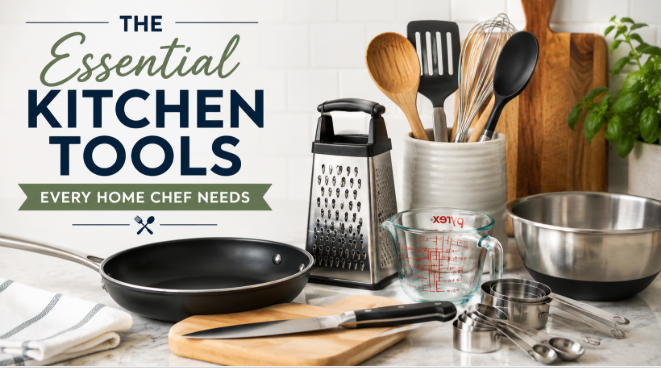
Introduction to Kitchen Tools for Home Chefs
Having the right kitchen tools is crucial for any home chef looking to enhance their culinary skills and elevate their cooking experience. The importance of these tools cannot be overstated; they serve as the foundation for efficient cooking and food preparation. Whether one is a novice or an experienced cook, the correct kitchen tools can significantly impact the quality and outcome of dishes prepared in the home kitchen.
Essential kitchen tools include everything from knives and cutting boards to mixing bowls and measuring spoons. Each tool plays a specific role in the cooking process, making it easier to achieve desired results. For example, a high-quality chef’s knife can greatly improve the precision and safety of food prep, while a sturdy cutting board provides a stable surface for cutting and chopping ingredients. These tools not only streamline tasks but also allow for greater creativity and experimentation in recipe development.
The presence of essential kitchen tools equips home chefs with the ability to execute recipes with confidence. Without the right equipment, even the simplest of tasks can become laborious and frustrating. Having a well-stocked kitchen with the proper tools can lead to increased efficiency, saving valuable time, and reducing stress during meal preparation. Additionally, investing in good kitchen tools promotes better hygiene and organization, contributing to overall culinary success.
In summary, the right kitchen tools serve as invaluable assets that enhance the home cooking experience. By ensuring that these essential items are readily available, home chefs can improve both their skills and the quality of the meals they prepare, paving the way for enjoyable cooking endeavors and memorable dining experiences.
Chef’s Knife: The Cornerstone of Cooking
A chef’s knife serves as the cornerstone of any kitchen, playing an essential role in food preparation for both novice and seasoned home chefs. This versatile tool is designed to perform a multitude of tasks, including chopping, slicing, and dicing a wide range of ingredients. The importance of having a high-quality chef’s knife cannot be overstated, as it can significantly enhance both the efficiency and enjoyment of the cooking process.
When selecting a chef’s knife, there are several key features to consider. First, the blade material is crucial, as it affects durability, sharpness, and ease of maintenance. High-carbon stainless steel is often recommended for its combination of toughness and resistance to rust and stains. The length of the knife is another important aspect, with typical sizes ranging from 8 to 10 inches. A longer blade allows for smoother cuts, whereas a shorter blade may provide greater control, making personal preference a significant factor in the decision-making process.
Handle ergonomics are also vital in the selection of a chef’s knife. A well-designed handle can provide comfort during extended use, allowing chefs to maintain control and efficiency while working. Materials such as wood, plastic, or composite contribute to the overall feel of the knife in hand, each offering unique advantages related to grip and aesthetics.
Popular brands that deliver quality chef’s knives include Wüsthof, Shun, and Victorinox, each offering various models catering to different preferences and budgets. A well-chosen chef’s knife not only enhances the cooking experience but also optimizes the quality of meals prepared, establishing its place as an indispensable tool in the kitchen.
Cutting Boards: Essential for Safety and Convenience
Cutting boards are indispensable tools in any kitchen, serving not only as a dedicated surface for food preparation but also playing a crucial role in maintaining kitchen hygiene. These boards can be made from various materials, each offering distinct advantages and drawbacks that cater to different cooking styles and preferences.
Wooden cutting boards, for instance, are popular among chefs for their durability and aesthetic appeal. Generally made from hardwoods such as maple or walnut, these boards are gentle on knife edges, helping to preserve the sharpness of kitchen knives. However, they require more maintenance, as they need regular oiling to prevent cracking and warping, and they should not be soaked in water or cleaned in a dishwasher.
Plastic cutting boards, on the other hand, are favored for their ease of cleaning and resistance to absorbing odors or stains. They can usually be sanitized in a dishwasher, making them a practical choice in environments where food safety is paramount, such as in food service operations. Despite their advantages, over time, plastic boards can develop deep grooves where bacteria can harbor, requiring frequent replacement.
Bamboo cutting boards are an eco-friendly alternative, as bamboo is a rapidly renewable resource. These boards are lightweight and often less expensive than wood options. However, they tend to be harder on knives and may become brittle with time if not properly maintained. Another point to consider is the importance of having separate cutting boards for different food types, such as vegetables and raw meats, to minimize cross-contamination and promote food safety.
In conclusion, selecting the right cutting board is a critical decision for any home chef. Understanding the characteristics of various materials and their implications for food safety and knife preservation can significantly enhance the cooking experience and maintain a hygienic kitchen environment.
Mixing Bowls: The Versatile Kitchen Workhorse
In the culinary world, mixing bowls stand out as a fundamental tool for any home chef. Their versatility is unparalleled, making them ideal for a myriad of tasks beyond mere mixing. Whether you’re combining ingredients for a cake, marinating meat, or serving salads, a robust set of mixing bowls will prove to be an indispensable asset in the kitchen.
Mixing bowls come in a variety of materials, each with its unique characteristics. Glass bowls are favored for their non-reactive quality and ease of cleaning. They allow users to monitor the contents while mixing and can also be used for tasks such as serving straight to the table. Stainless steel bowls, on the other hand, are highly durable and resistant to odors and stains, making them suitable for heavy-duty tasks like kneading dough. Plastic bowls, while lighter and often more colorful, are ideal for casual cooking, especially for kids or outdoor gatherings, as they are less likely to shatter.
When selecting mixing bowls, consider the size and style that will best suit your cooking needs. A set of varying sizes ensures that you have the right bowl for every task, from whisking small quantities of ingredients to preparing large batches. Look for bowls with a non-slip base for enhanced stability during vigorous mixing. Additionally, consider options that are stackable for space-saving storage in your kitchen cabinets.
Ultimately, the right mixing bowls can make a significant difference in your cooking experience. Investing in high-quality mixing bowls tailored to your preferences can enhance your efficiency in the kitchen, allowing you to focus more on creativity and less on the mundane aspects of food preparation.
Measuring Tools: Precision in Cooking
Accurate measurements are essential in both cooking and baking, as they directly affect the final outcome of your culinary creations. Whether you are a novice or an experienced home chef, employing the right measuring tools can enhance the precision of your recipes, ensuring consistency and quality in every dish.
Measuring cups are commonly used for both dry and liquid ingredients. Typically available in sets that include various sizes, these cups allow for easy measurement of ingredients ranging from flour to water. It is important to use the correct type of measuring cup depending on the ingredient. For example, dry measuring cups should be utilized for dry ingredients, while liquid measuring cups, often featuring a spout, are designed to accurately measure liquids. When using measuring cups, be sure to fill them to the appropriate line for each measurement.
Measuring spoons play a crucial role as well, especially for precise measurements in smaller quantities. They come in various sizes, allowing for flexibility when adjusting flavor profiles in recipes, such as when adding spices or herbs. Just like measuring cups, it is vital to level off dry ingredients for accuracy and to utilize the right spoon size for liquid ingredients.
A kitchen scale is another invaluable tool for achieving precision in cooking. Unlike volumetric measuring methods, a scale measures ingredients based on weight, providing a more consistent approach, particularly in baking. Many recipes, especially in professional settings, are weight-based due to their improved accuracy. Utilizing a kitchen scale can also help accommodate various ingredient types that may vary in density, allowing for a more reliable measurement.
In conclusion, the importance of accurate measurements cannot be overstated in the culinary world. By utilizing measuring cups, spoons, and kitchen scales appropriately, home chefs can ensure their recipes yield consistent, high-quality results every time.
Cookware Essentials: Pots and Pans to Have
For any home chef, selecting the right cookware is pivotal in achieving culinary success. Cookware encompasses a variety of pots and pans, and understanding their unique characteristics can significantly influence the outcomes of various dishes. Among the most crucial pieces are frying pans, saucepans, and stockpots, each playing a distinct role in the cooking process.
Frying pans, often known for their versatility, come in multiple materials such as stainless steel, non-stick, and cast iron. Stainless steel frying pans are favored for their durability and ability to withstand high heat, making them ideal for searing meats and sautéing vegetables. Non-stick varieties, on the other hand, facilitate easy food release and cleanup, proving especially useful for delicate items such as eggs and pancakes. However, over time, the coating may degrade and affect the cooking efficiency. Cast iron frying pans are renowned for excellent heat retention and even distribution, but they require specific care to maintain their seasoning.
When considering saucepans, which typically have higher sides and a lid, they are essential for simmering sauces, boiling pasta, or preparing soups. A medium-sized saucepan (around 2-3 quarts) is usually the most versatile, serving numerous cooking needs without being overwhelming. Larger stockpots excel at one-pot meals or batch cooking—particularly for recipes requiring boiling, such as stocks or large quantities of soup.
Ultimately, the selection of cookware materials and sizes should cater to individual cooking styles and preferences. Investing in high-quality pots and pans that suit various cooking methods allows home chefs to enhance their culinary repertoire and ensure successful meal preparations while promoting longevity and durability within the kitchen.
Utensils: The Little Tools That Make a Big Difference
In the realm of culinary arts, kitchen utensils are indispensable tools that significantly enhance both the efficiency and enjoyment of cooking. Essential utensils include spatulas, tongs, ladles, and whisks, each serving a unique purpose that contributes to the overall cooking experience.
A spatula, for instance, is crucial for flipping pancakes and serving delicate dishes. Available in materials like silicone, metal, and wood, it offers different benefits depending on the cooking surface and heat resistance required. Silicone spatulas are especially popular due to their non-stick properties and ability to withstand high temperatures, making them suitable for various cooking tasks.
Tongs, another practical utensil, are ideal for flipping meat or handling salads without crushing the ingredients. When selecting tongs, consider the material; stainless steel tongs are durable and heat-resistant, while silicone-tipped versions prevent scratches on non-stick cookware. This versatility makes tongs a must-have in any kitchen.
Ladles play an essential role in serving soups and stews, allowing for smooth and controlled portions. Typically crafted from stainless steel or heat-resistant plastic, ladles come in various sizes, making it easy to find one that suits your cooking needs. Their design also helps in reaching every last drop of delicious sauces, enhancing the overall presentation of the dish.
Lastly, whisks are crucial for mixing ingredients and incorporating air into batters, leading to fluffier baked goods. Available in various wire materials, including stainless steel, choosing the right whisk can impact the texture of your creations. Each of these utensils not only streamlines specific cooking tasks but also elevates the home chef’s culinary experience.
Appliances Worth Investing In
In the world of cooking, the right tools can significantly streamline the meal preparation process, making small kitchen appliances essential assets for every home chef. Among these, blenders, food processors, and slow cookers are standout options that provide versatility and efficiency.
Blenders excel in a variety of tasks, from making smoothies and soups to mixing batters. Their ability to quickly turn solid ingredients into a smooth consistency saves time and effort, particularly for those who enjoy making purees or sauces from scratch. Modern blenders often come equipped with advanced features such as variable speed settings and preprogrammed functions, enhancing their usability and ensuring consistent results.
Food processors, on the other hand, offer a broader range of capabilities. With the ability to chop, slice, shred, and knead, they can significantly reduce the time spent on prep work. They are particularly beneficial for busy individuals seeking to make fresh ingredients more accessible. By handling tasks like chopping vegetables or preparing dough effortlessly, food processors allow home chefs to focus on the more creative aspects of cooking.
Slow cookers also deserve mention when discussing essential kitchen appliances. These devices provide the convenience of preparing meals with minimal hands-on time. A slow cooker allows for the melding of flavors over long periods, making it ideal for stews, soups, and casseroles. Their programmable settings let chefs prepare meals in advance, making busy weeknights less stressful.
Incorporating these appliances into a home kitchen not only enhances efficiency but also inspires creativity in meal preparation. Investing in reliable and versatile small kitchen appliances can truly transform the cooking experience, enabling home chefs to experiment with new recipes and enjoy their culinary endeavors.
Conclusion: Building Your Ideal Kitchen Toolkit
In the realm of culinary pursuits, the importance of investing in quality kitchen tools cannot be understated. For both novice and experienced home chefs, the right tools can significantly elevate the cooking experience and enhance the quality of the dishes prepared. A well-curated kitchen toolkit not only makes cooking more efficient but also brings a level of joy and creativity to the cooking process.
As you embark on the journey to build your ideal kitchen toolkit, it is vital to assess your individual cooking needs and preferences. Start by identifying the key kitchen tools that align with your cooking style. For instance, if you enjoy baking, investing in high-quality measuring cups, mixing bowls, and a reliable oven thermometer will serve you well. Alternatively, those who prefer cooking savory dishes may find a sturdy set of knives, cutting boards, and a range of pots and pans to be essential.
Once you have established a list of preferred tools, acquiring them gradually not only spreads out the cost but also allows for better selection. Focus on acquiring versatile tools that can serve multiple functions, enhancing both utility and value. Additionally, maintaining your kitchen tools is paramount for longevity. Regular care such as cleaning, proper storage, and occasional sharpening can ensure your tools remain in top condition, providing you with the performance needed for years to come.
In conclusion, by thoughtfully investing in quality kitchen tools and maintaining them with care, you can cultivate a kitchen environment that supports your culinary ambitions. This intentional approach not only enhances your cooking endeavors but also enriches your overall experience in the kitchen, transforming it into a space of creativity and passion.

