Understanding Urban Air Quality
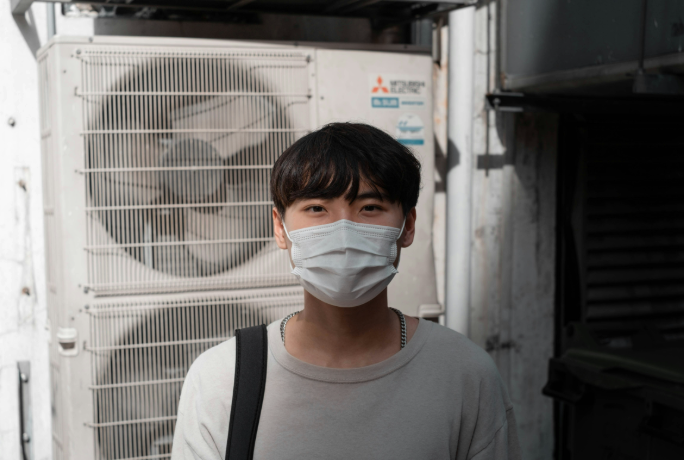
Urban air quality has become a pressing concern in modern society, as cities confront various challenges linked to pollution. The primary sources of air pollution in urban environments include vehicle emissions, industrial discharges, and dust generated from construction activities. Tailpipe emissions from cars and trucks release significant amounts of nitrogen oxides and particulate matter, which severely degrade air quality. According to the World Health Organization, approximately 90% of the global population lives in areas where air pollution exceeds safe levels, highlighting the urgent need for awareness and action.
Industries, particularly those situated near residential zones, contribute substantially to air pollution by emitting various hazardous pollutants, such as volatile organic compounds (VOCs) and sulfur dioxide. The ongoing expansion of infrastructure, marked by construction activities, further exacerbates air quality issues, releasing construction dust and increasing vehicle traffic in urban areas. Recent estimates reveal that air quality in cities often fluctuates, with days of poor air quality corresponding with heightened pollution levels due to these activities.
The impact of urban air quality on residents’ health is profound, leading to a range of adverse effects including respiratory diseases, cardiovascular problems, and diminished overall wellbeing. Studies indicate that prolonged exposure to polluted air can shorten life expectancy and worsen existing health conditions. Vulnerable populations, such as children, the elderly, and individuals with pre-existing health issues, are particularly at risk. Furthermore, urban air pollution can adversely affect mental health, contributing to feelings of anxiety and stress among city inhabitants.
As urban areas continue to grow, addressing air quality issues becomes paramount. With the implementation of effective policies and strategies, including the use of air purifiers, there is potential to mitigate these health risks, thereby improving the quality of life in urban environments.
What Are Air Purifiers?
Air purifiers are devices designed to improve indoor air quality by removing contaminants from the air. They serve a crucial role, especially in urban homes where outside pollutants can infiltrate living spaces. These appliances use various technologies to filter air, thereby reducing the presence of allergens, dust, smoke, and other harmful particles.
One of the most common technologies found in air purifiers is the HEPA filter, which stands for High-Efficiency Particulate Air. HEPA filters are highly efficient, capable of trapping 99.97% of particles as small as 0.3 microns. This makes them particularly effective at capturing allergens such as pollen, pet dander, and dust mites, thus contributing to a healthier indoor environment.
Another popular technology used in air purifiers is activated carbon filters. These filters are effective at adsorbing odors and volatile organic compounds (VOCs) from the air. Activated carbon works through a process known as adsorption, where molecules of harmful substances adhere to the surface of carbon particles, thereby neutralizing unpleasant odors and harmful chemicals.
Additionally, some air purifiers utilize UV light technology to kill bacteria and viruses. This technology involves utilizing ultraviolet light to disrupt the DNA of microorganisms, rendering them inactive. Thus, UV air purifiers not only filter the air but also contribute to killing harmful pathogens that can cause illness.
The market is graced with various types of air purifiers, including portable units, ceiling-mounted systems, and whole-home air purifiers that work with existing HVAC systems. Each type is designed to cater to different needs and preferences, allowing consumers to choose the option that best fits their lifestyle and living space.
Health Benefits of Using Air Purifiers
In urban environments, air quality can often deteriorate due to various pollutants. The presence of allergens, dust, and mold can aggravate health issues, leading individuals to seek solutions. One effective approach is utilizing air purifiers, which can significantly improve indoor air quality. These devices, equipped with advanced filtration systems, capture a wide range of airborne contaminants, thereby creating a healthier living space.
Air purifiers are particularly beneficial in reducing allergens such as pollen and pet dander. Individuals who suffer from allergies can experience relief as these systems work to remove triggering particles from the air. Eliminating allergens not only assists in alleviating respiratory symptoms but also contributes to overall well-being.
Moreover, air purifiers play a crucial role in mitigating the presence of mold spores and dust mites. Mold can thrive in humid environments, leading to potential respiratory issues if left unaddressed. By maintaining lower levels of these irritants, air purifiers can lead to improved respiratory health, particularly for those with existing conditions such as asthma. Additionally, a cleaner air supply fosters easier breathing, which can enhance one’s sleep quality.
The advantage of better sleep quality is often underestimated. Poor air quality can impact the ability to achieve restful sleep, resulting in fatigue and decreased productivity. By removing harmful air pollutants, purifiers not only improve air circulation but also create a more conducive environment for sleep.
In essence, the health benefits of utilizing air purifiers in urban homes are numerous. They serve as an essential component in reducing allergens, dust, and pollutants that can compromise health. Consequently, investing in an air purifier may lead to improved respiratory function, reduced allergic reactions, and enhanced overall quality of life.
The Impact of Indoor Air Quality on Daily Life
Indoor air quality (IAQ) plays a crucial role in the daily lives of urban residents, influencing health, productivity, and general well-being. In urban homes, where outdoor pollutants infiltrate indoor environments, the air we breathe can significantly affect our quality of life. Poor air quality can lead to various health issues such as respiratory problems, allergies, and even mental health disorders. This necessitates the importance of maintaining a clean indoor environment, as it serves not only personal comfort but also overall health.
Research has consistently shown that better indoor air quality correlates with increased productivity. In work-from-home scenarios, cleaner air can enhance focus and reduce fatigue, allowing individuals to perform tasks more effectively. Conversely, when air quality diminishes due to allergens, pollutants, or high humidity levels, it can lead to distractions and decreased efficiency, ultimately affecting performance and output.
Mood and mental well-being are also closely tied to indoor air quality. Studies indicate that exposure to fresh and clean air can uplift one’s mood, while poor IAQ may contribute to feelings of lethargy, anxiety, and irritability. Ingredients of air pollution, such as volatile organic compounds (VOCs), have been linked to cognitive impairment and mood disorders, underscoring the vital need for clean air in confined environments.
Furthermore, the comfort of inhabitants is directly affected by indoor air quality. For instance, homes with high levels of dust or allergens can make it challenging for individuals to relax or enjoy daily activities. Thus, investing in solutions like air purifiers can significantly enhance indoor air quality, fostering a healthier and more comfortable living space. In summary, recognizing the interplay between indoor air quality and daily life is essential for urban dwellers aiming to create a nourishing home environment.
Choosing the Right Air Purifier for Your Home
When selecting an air purifier, it is essential to consider several factors to ensure optimal performance and suitability for your particular needs. The first key factor is room size. Air purifiers are designed with specific square footage in mind; choosing one that matches or slightly exceeds the dimensions of the room ensures efficient air filtration. A purifier with a higher Clean Air Delivery Rate (CADR) is recommended for larger areas, as it indicates the volume of filtered air delivered per minute.
Another critical consideration is the specific air quality concerns you wish to address. Common issues include allergens, smoke, odors, pet dander, and volatile organic compounds (VOCs). For instance, HEPA (High-Efficiency Particulate Air) filters are ideal for capturing fine particles such as pollen and dust mites, while activated carbon filters are effective at reducing odors and gases. If your home has issues with smoke or chemical pollutants, look for air purifiers that combine multiple filtration technologies.
Noise level is another significant factor, especially for bedrooms or home offices. Most manufacturers provide decibel ratings, allowing you to gauge the sound output at different fan speeds. Selecting a quieter model ensures that you can operate the air purifier without disruption, especially during nighttime hours.
Maintenance requirements and filter replacements also deserve attention. Be aware of how often filters need to be replaced—some models offer washable filters that cut down on recurring costs. It’s advisable to choose a purifier that not only suits your air quality needs but also aligns with your maintenance preferences and budget.
Cost Considerations and Long-Term Benefits
When evaluating the investment in air purifiers for urban homes, it’s essential to consider both the initial costs and the long-term advantages they present. The upfront expenses of purchasing a quality air purifier can vary significantly, typically ranging from $100 to over $1,000 depending on the model, features, and filtration technology employed. Higher-end models often include advanced HEPA filters, activated carbon, and smart technology for optimal performance.
However, while the initial investment may seem substantial, the long-term benefits often outweigh these costs. For instance, by reducing indoor air pollutants such as allergens, dust, and volatile organic compounds, air purifiers can contribute to a healthier living environment. This enhancement in air quality is crucial, especially for individuals with pre-existing health conditions, children, and the elderly who are particularly vulnerable to respiratory ailments.
Moreover, improved air quality can lead to considerable healthcare savings over time. By mitigating the exposure to airborne irritants, families may experience fewer hospital visits, diminished healthcare costs associated with chronic respiratory diseases, and decreased dependency on medications for asthma or allergy management. In urban settings, where environmental pollution is prevalent, the role of air purifiers extends beyond immediate comfort and convenience, emerging as a preventive healthcare solution.
In addition to health benefits, air purifiers can enhance overall well-being, leading to better sleep and increased productivity. A reduction in pollutants can result in fewer headaches, less fatigue, and overall improvements in quality of life. These indirect savings and enhancements are often overlooked when weighing the costs of air purification. Ultimately, investing in an air purifier can be deemed a wise decision for those residing in urban areas, as it presents both immediate and long-term advantages.
Common Myths and Misconceptions
As urban dwellers become increasingly aware of air quality issues, air purifiers have gained popularity. However, several myths and misconceptions surrounding air purifiers continue to persist, often leading to confusion regarding their effectiveness and necessity. One common myth is that all air purifiers eliminate every type of pollutant. In reality, while many air purifiers are effective at removing specific particles such as dust and pollen, not all of them can tackle gases or volatile organic compounds (VOCs). It is essential to choose an air purifier designed to address the specific pollutants present in one’s environment.
Another prevalent misconception is that air purifiers are only necessary in areas with visibly poor air quality. Urban areas, despite often having concealed pollution levels, can harbor microscopic contaminants, including fine particulate matter. Even indoor air can become polluted due to everyday activities such as cooking, cleaning, and the use of certain products. Therefore, using an air purifier can significantly improve indoor air quality, enhancing the overall health of its inhabitants.
Moreover, some individuals believe that air purifiers are ineffective due to their perceived high cost and complexity. In fact, many models are available at various price points, and many are designed for easy operation and maintenance. Investing in an air purifier is not just about immediate financial output; it also translates into long-term health benefits. Cleaning indoor air can offer substantial advantages for allergy sufferers, those with respiratory issues, and even the overall well-being of all household members. Understanding these misconceptions allows consumers to make informed decisions regarding air purifiers and their roles in promoting cleaner, healthier indoor environments.
Real-Life Testimonials and Case Studies
The efficacy of air purifiers in urban environments is supported not just by scientific studies, but also by the experiences of residents who have incorporated these devices into their homes. Many urban dwellers report significant improvements in their indoor air quality after using air purifiers, leading to notable health benefits. For instance, Sarah, a resident of downtown Los Angeles, experienced persistent allergies due to high pollen counts and pollutants. After purchasing a HEPA-filter air purifier, she reported a dramatic reduction in allergic reactions and improved overall respiratory health. Sarah noted, “Within a week of using the air purifier, I could breathe easier, and my allergy symptoms lessened considerably.” Such accounts highlight the immediate positive impact these devices can have on individuals living in polluted urban settings.
Case studies further illustrate the profound benefits of air purifiers. A recent study conducted in New York City involved a group of families who agreed to monitor air quality with and without air purifiers over a six-month period. Results demonstrated that the indoor pollutant levels dropped by an average of 40% with the use of these devices. Moreover, participants reported fewer respiratory issues and noticeably improved sleep quality. This case study underscores the potential of air purifiers not only to cleanse the air but also to enhance the well-being of residents.
In another example, a family residing close to a busy highway implemented air purifiers in their home. Over time, they reported fewer instances of headaches and fatigue, conditions often exacerbated by poor air quality. Their feedback, along with data gathered from air quality monitors, indicates that air purifiers can effectively mitigate the deleterious effects of urban pollution. Such testimonials and case studies collectively emphasize how vital air purifiers are for improving the health and comfort of individuals in urban homes.
Conclusion and Future Trends in Air Purification
In conclusion, air purifiers have emerged as essential devices for enhancing indoor air quality in urban homes, where pollution levels can often exceed safe limits. With the increasing urbanization and the consequent rise in environmental pollutants, the need for effective air purification solutions has never been more critical. The significance of maintaining clean air in residential spaces is underscored by the potential health risks associated with poor air quality, such as respiratory issues and other chronic health conditions. Air purifiers, through their advanced filtration systems, are capable of removing particulate matter, allergens, and harmful chemicals from the air, providing a healthier living environment.
As we look to the future, several trends in air purification technology are likely to evolve. Innovations in purification methods, such as the use of ultraviolet (UV) light and photocatalytic oxidation, may gain traction as they offer enhanced capabilities for destroying pathogens and reducing volatile organic compounds (VOCs). Furthermore, the integration of smart technology in air purifiers will likely become more prominent, enabling consumers to monitor air quality in real-time and receive automated alerts when pollutant levels rise. This increased connectivity through smart home systems can facilitate better management of indoor air quality.
Moreover, sustainability will play a crucial role in the future development of air purifiers. Manufacturers are expected to focus on creating energy-efficient models with eco-friendly filters that minimize waste and environmental impact. As urban air quality challenges continue to evolve, it is imperative that air purifying technologies keep pace with these changes, ensuring that urban residents can breathe easier and enjoy improved health outcomes. By leveraging these advancements, air purifiers will continue to be a vital component in urban homes, contributing to a safer and healthier indoor environment.

