Introduction: The Importance of Pregnancy Tests
Pregnancy tests serve a vital role in women’s health, particularly in the early detection of pregnancy. These tests are often the first step taken by women who suspect they may be expecting, allowing for a timely confirmation of pregnancy status. Understanding how these tests function is essential for interpreting the results accurately, especially when uncertain or faint lines appear on a test strip.
The principle behind most pregnancy tests revolves around the detection of human chorionic gonadotropin (hCG), a hormone produced shortly after a fertilized egg implants in the uterus. Once an embryo attaches itself to the uterine lining, hCG levels in the body begin to rise, and this hormone can be detected in urine or blood, leading to the confirmation of pregnancy. Home pregnancy tests typically use urine samples and are designed to provide quick results, making them a convenient option for women.
Early detection of pregnancy through these tests is crucial, as it enables women to consider their health and lifestyle choices, ensuring they provide the best possible environment for their developing baby. Additionally, knowing one’s pregnancy status can aid in planning prenatal care and making essential decisions regarding nutrition, exercise, and overall well-being.
It is important to note that the accuracy of home pregnancy tests can vary based on several factors, including timing—tests are generally more accurate when taken after a missed period—and sensitivity to hCG levels. Therefore, understanding the functioning and timing of these tests helps manage expectations and lessen confusion, particularly in cases where the test results yield faint lines, indicating a potential pregnancy.
What is a Faint Line on a Pregnancy Test?
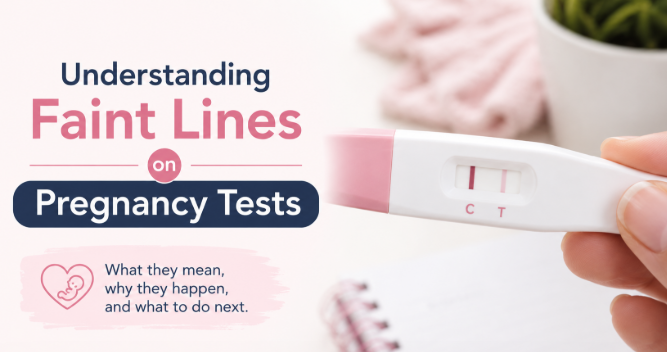
A faint line on a pregnancy test indicates the presence of the hormone human chorionic gonadotropin (hCG), which is produced shortly after a fertilized egg attaches to the uterine lining. In pregnancy tests, this hormone is the primary marker used to determine if an individual is pregnant. The test typically consists of a control line and a test line. While the control line appears regardless of the test result, the test line’s visibility signifies the presence of hCG. Therefore, a faint line suggests that there is some level of hCG in the urine, albeit not always at the higher concentrations that result in a darker line.
The interpretation of a faint line can vary between individuals and tests. Some may mistakenly assume that a faint line means a negative result, while it actually indicates an early stage of pregnancy or a lower concentration of hCG. A strong line, conversely, generally signifies a higher concentration of hCG, most commonly seen in later stages of pregnancy or with more accurate testing.
Several factors can influence the visibility of the test line. The timing of the test is pivotal; taking a test too early can lead to faint lines due to insufficient hCG levels in the urine. Hydration levels can also play a role; diluted urine may contain less hCG, resulting in a lighter line. Additionally, the sensitivity of the pregnancy test itself and the test’s expiration date can affect the line’s strength. Thus, it is essential to consider these factors when interpreting faint lines on a pregnancy test.
Causes of a Faint Line
A faint line on a pregnancy test can be perplexing for many individuals hoping for definitive results. Several factors contribute to the appearance of such faint lines, with each carrying its implications regarding pregnancy status.
One of the primary reasons for a faint line is testing at an early stage of pregnancy. In the initial days following conception, human chorionic gonadotropin (hCG) levels in the body are typically low. Pregnancy tests measure these hCG levels; hence, if the test is taken too early, the concentration may not be high enough to produce a strong positive result, leading to a faint line.
Another significant factor is the dilution of urine. When fluid intake is excessive—such as during hot weather or intensive exercise—the urine becomes diluted, which can affect the accuracy of the test results. A more concentrated sample is ideal for testing, as it provides a clearer indication of hCG levels. Thus, testing with the first urine of the day can yield more accurate results.
The sensitivity of the pregnancy test also plays a crucial role in determining the visibility of a line. Various tests are available, with some designed to detect lower levels of hCG than others. Using a less sensitive test might yield only faint lines, particularly in the very early stages of pregnancy when hCG levels are just beginning to rise. Understanding the sensitivity threshold of the chosen test is important for interpreting the results accurately.
Lastly, the timing of the test in relation to ovulation can significantly influence outcomes. For instance, testing too soon after ovulation may yield inaccurate readings, as implantation of the fertilized egg does not occur instantly. Therefore, considering individual ovulation cycles is imperative when conducting a pregnancy test.
Interpreting the Results: Faint vs. Dark Lines
When interpreting the results of a pregnancy test, the visibility and intensity of the lines can be critical in understanding what the test indicates. A pregnancy test primarily works by detecting the presence of human chorionic gonadotropin (hCG), a hormone produced shortly after the embryo attaches to the uterine lining. Therefore, the darkness of the line on the test strip signifies the level of hCG in the body, which can vary based on different factors including the timing of the test relative to ovulation and implantation.
A faint line on a pregnancy test typically suggests that there is some level of hCG present in the urine, indicating a possible positive result. This faint positive can occur when the test is taken too early, potentially before hCG levels have risen sufficiently to produce a darker, more pronounced line. In contrast, a test result that is completely negative will show no line at all, which suggests that hCG is undetectable or not present in the sample. In such scenarios, it is advisable for the individual to retest after a few days to see if the hormone levels have increased.
Conversely, a dark line indicates a higher concentration of hCG in the urine, suggesting a more advanced stage of pregnancy. The darker the line appears, the more confident one can be in the accuracy of the positive result. Still, it is essential to remember that variations exist among different brands and types of pregnancy tests, and therefore, the focus should always be on the guidance provided with the specific test being used.
What to Do If You See a Faint Line
Encountering a faint line on a pregnancy test can be both exciting and confusing. It is crucial to approach the situation with careful consideration and take appropriate next steps. The first action is to review the manufacturer’s instructions thoroughly. Ensuring the test is used correctly is vital, as improper technique can lead to inaccurate results.
If a faint line appears, it is advisable to wait a few days before testing again. This delay allows your body additional time to produce more human chorionic gonadotropin (hCG), the hormone detected by pregnancy tests. As hCG levels rise in early pregnancy, a follow-up test may yield a more pronounced line, confirming the result.
For those experiencing symptoms typical of early pregnancy, the faint line could indicate a positive result, albeit a weak one. In such cases, observing any changes to one’s body can provide additional context. Symptoms may include nausea, breast tenderness, or missed periods, which can potentially align with the test results.
It is important to consult a healthcare professional if uncertainty persists. A healthcare provider can administer a more sensitive test, such as a blood test, which can determine hCG levels with greater accuracy. They can also guide the next steps, whether it be further testing or beginning prenatal care if the pregnancy is confirmed.
In summary, if you see a faint line on a pregnancy test, reevaluating the test conditions, waiting to retest, and seeking medical advice are essential measures to ensure clarity on your pregnancy status.
Common Myths About Faint Lines on Pregnancy Tests
Faint lines on pregnancy tests often lead to confusion and misinterpretation. There are several common myths surrounding these faint lines that can contribute to misunderstandings regarding pregnancy results. One pervasive myth is that a faint line invariably indicates a false positive result. In reality, faint positive results typically indicate the presence of the pregnancy hormone, human chorionic gonadotropin (hCG), albeit at lower levels. This could be due to testing early in the pregnancy when hCG levels have not yet fully risen.
Another significant misconception relates to evaporation lines, which may appear on the pregnancy test after the instructed waiting period. Some users may mistake these for faint positives. Evaporation lines usually appear colorless and can occur if the test is left to sit too long. It is crucial to follow the manufacturer’s instructions regarding the timing to ensure accurate interpretation of the test results.
Many people also believe that any visible line, even if faint, means that they are undoubtedly pregnant. While this can be true, it is not always the case; some tests can exhibit faint lines from factors like chemical pregnancies or test malfunctions. It is advisable to take multiple tests over a span of days to confirm positive results, especially when faint lines appear.
Moreover, the notion that faint lines are less valid than darker lines is misleading. Pregnancy tests can vary in sensitivity, and some may show a faint line at very low levels of hCG. Understanding these subtleties can help individuals navigate their pregnancy test results more confidently.
When to Seek Medical Advice
When utilizing a pregnancy test, observing a faint line can evoke a mix of emotions, ranging from hope to confusion. However, it is vital to understand the instances when seeking medical advice becomes imperative following the detection of such lines. If a faint line appears, accompanied by any abnormal symptoms, immediate consultation with a healthcare provider is strongly recommended. Symptoms such as severe abdominal pain, heavy bleeding, dizziness, or fainting may indicate potential complications that necessitate professional evaluation.
Furthermore, if the faint line persists over several days without any progression to a clearer result, this may warrant further investigation. It is not uncommon for some individuals to experience chemical pregnancies, wherein a fertilized egg begins to develop but fails to implant properly, leading to an early miscarriage. Persistent faint lines may suggest an ongoing issue that should be discussed with a healthcare professional to rule out such conditions.
Individuals who have experienced previous miscarriages should also be particularly vigilant. A faint line, in conjunction with a history of pregnancy complications, underscores the importance of monitoring one’s condition closely. In such cases, seeking timely medical advice can provide peace of mind and address any underlying issues that may be present.
In conclusion, while faint lines on pregnancy tests can often indicate early pregnancy, attention to accompanying symptoms and history is crucial. Seeking medical guidance when faced with abnormal symptoms, prolonged faint lines, or previous miscarriages is vital in ensuring one’s health and well-being.
Understanding Chemical Pregnancies
A chemical pregnancy is a term used to describe a very early miscarriage that occurs shortly after implantation. It is often characterized by a faint positive result on a pregnancy test, which typically indicates the presence of the hormone human chorionic gonadotropin (hCG) that is produced during pregnancy. However, in the case of a chemical pregnancy, the levels of hCG may begin to decrease shortly after they are detected, leading to a very early loss.
Women may find themselves in a confusing situation if they obtain a faint positive pregnancy test. This can happen just a few days after implantation, suggesting that a pregnancy was initially established. However, the embryo fails to develop, or there is an issue with its genetic makeup, which can lead to the body naturally terminating the pregnancy. The experience can be emotionally distressing for many women who may have hoped for a successful pregnancy.
While chemical pregnancies are relatively common, they are often overlooked because they usually occur so early that many women may not even realize they were pregnant. Furthermore, a chemical pregnancy does not typically indicate any long-term fertility issues or impact future pregnancies. Understanding this phenomenon can help women manage their expectations during early pregnancy tests, particularly if they notice faint lines. It is important to monitor the progression of hCG levels through subsequent blood tests if a chemical pregnancy is suspected.
In summary, faint positive lines on pregnancy tests can sometimes be attributed to chemical pregnancies, indicating early pregnancy loss. Women experiencing this should consult with healthcare providers to discuss any concerns and ensure that their reproductive health is monitored adequately.
Conclusion: Next Steps and Emotional Considerations
Understanding faint lines on pregnancy tests can be a perplexing experience, filled with anticipation and uncertainty. The appearance of a faint line suggests the possibility of pregnancy, but it is essential to recognize that this result can sometimes be attributed to various factors, including the test’s sensitivity and the timing of testing. If you encounter a faint line, it is advisable to wait a few days and retest to confirm the result. This patience allows for potential hormone levels to increase, leading to a clearer indication of pregnancy.
It is natural to experience a range of emotions when faced with the uncertainty associated with faint lines. Feelings of hope, anxiety, and confusion can be prevalent during this time. As you navigate these emotions, seeking support from friends, family, or healthcare professionals can prove beneficial. Sharing your thoughts and feelings can provide a sense of relief and clarity as you process the implications of the test results.
In addition, keeping an open line of communication with a healthcare provider is crucial. They can offer guidance on the appropriate next steps, including whether to consider a blood test for more definitive results. Understanding your body’s response and the role of pregnancy hormones during this period can help alleviate some concerns. Therefore, do not hesitate to reach out for professional advice to gain insights tailored to your situation.
In conclusion, interpreting faint lines on pregnancy tests should be approached with patience and a clear mindset. By understanding the nuances involved and remaining supportive of yourself emotionally, you can navigate this uncertain period more confidently. Remember, you are not alone on this journey, and support is always available.

)