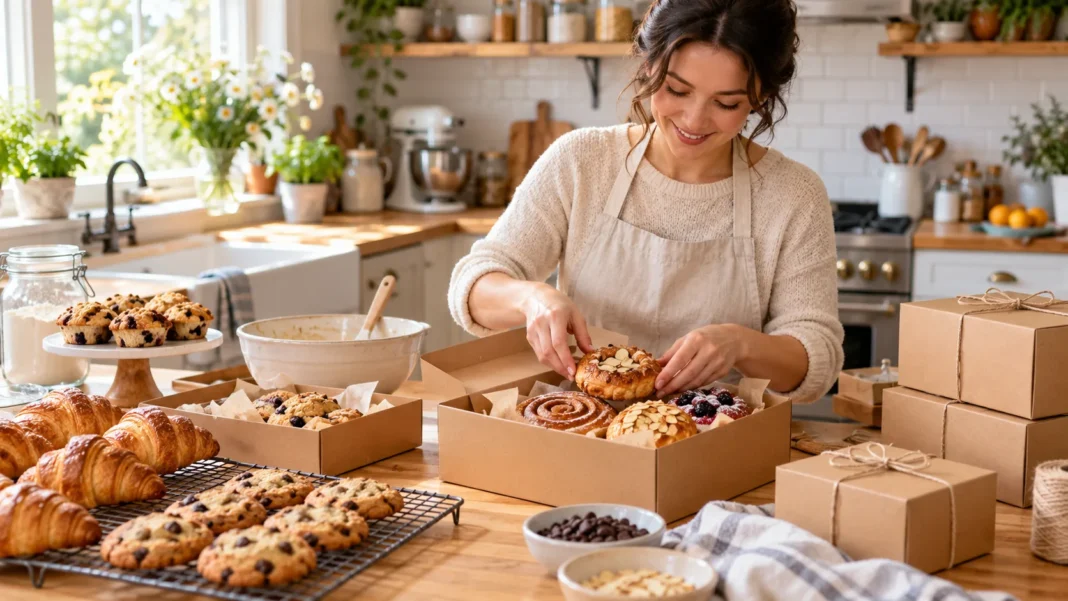
How to Start a Bakery Business From Home
A home bakery can turn a love of baking into a small business without the cost of renting a storefront. You can begin with a focused menu, take orders online, and bake in manageable batches. But selling food involves more than making delicious products: you also need to understand local rules, price your work properly, and deliver orders safely and reliably.
Starting small lets you test whether customers want your products before investing heavily in equipment or ingredients. It also gives you time to build a routine for taking orders, buying supplies, baking, packaging, and arranging pickup or delivery. As demand grows, you can decide whether to expand your menu or production.
This guide walks through the key steps for starting a bakery business from home. Requirements for food businesses vary by location, so check with the relevant local authorities before selling. Your kitchen, products, and sales methods may be subject to specific food safety, licensing, labeling, or tax rules.
1. Choose a Clear Bakery Concept
Begin by deciding what your home bakery will be known for. You might specialize in celebration cakes, cookies, brownies, bread, cupcakes, or baked goods for a particular dietary preference. A focused concept makes it easier to plan your menu, estimate costs, and explain your offer to potential customers.
Think about the products you can make consistently and the customers most likely to order them. For example, custom cakes may appeal to people planning events, while packaged cookies could suit customers looking for everyday treats or gifts. Consider your baking skills, available time, equipment, and local demand before settling on a direction.
You can refine the idea as you learn what customers want. Start with a few products you can produce well rather than offering a large menu immediately. A manageable range helps you control ingredient costs, keep quality consistent, and avoid taking on more orders than your home kitchen can handle.
2. Research Local Demand and Competitors
Talk to potential customers about what they buy, how often they order, and what they value in a bakery. Ask about flavors, portion sizes, packaging, pickup options, and price expectations. Real conversations can help you understand whether your product idea solves a genuine need instead of relying only on compliments from friends.
Look at other bakeries and home-based sellers in your area. Notice their product range, ordering process, presentation, delivery options, and customer reviews. Use this research to identify gaps you could serve, such as a particular flavor, custom design, smaller order size, or more convenient ordering experience.
Research does not mean copying another seller’s menu or branding. The goal is to understand customer expectations and make your offer distinct. Test a small batch with potential buyers, gather specific feedback, and adjust the recipe or packaging before investing in larger quantities.
3. Check Food Business Rules and Permits
Before accepting paid orders, find out which rules apply to home-based food businesses where you live. Depending on your location and the products you sell, you may need a food business registration, inspection, permit, training, or approval for using a home kitchen. Requirements may also differ for direct sales, delivery, or online orders.
Ask local food safety and business authorities about kitchen standards, allowed products, labeling, and recordkeeping. Some regions place limits on foods that require refrigeration or have particular handling needs. Do not assume that selling only to friends or through social media removes the need to follow local rules.
Keep a record of the guidance you receive and the steps you complete. Rules can change, and requirements may depend on how your business operates. If you are unsure about food safety or legal obligations, contact the appropriate authority or a qualified local adviser before launching.
4. Plan Your Menu and Standardize Recipes
Create a menu that fits your skills, equipment, and production capacity. Choose products that share ingredients or preparation steps where possible, since this can reduce waste and make shopping easier. A smaller menu is also simpler to explain online and easier for customers to order from.
Test each recipe several times and write down exact ingredients, weights, temperatures, timing, and yield. A standardized recipe helps you produce a consistent result whether you are making one order or several. It also makes it easier to calculate the cost per item and adjust batch sizes accurately.
Decide how much customization you can reasonably offer. Custom colors, flavors, fillings, and decorations can make products special, but every option adds planning and preparation time. Set clear choices and boundaries, such as lead times, size options, and design limits, so customers know what to expect.
5. Set Up a Clean and Organized Home Kitchen
A home bakery needs a clean workspace and a reliable process for preparing, baking, cooling, decorating, and packing products. Separate ingredients and tools from household items where required, and keep surfaces, equipment, and storage areas clean. Follow local food safety guidance for handwashing, cleaning, cross-contamination prevention, and safe ingredient storage.
Check whether your equipment can handle the products and order sizes you plan to make. You may need baking pans, mixing bowls, a scale, measuring tools, cooling racks, storage containers, and reliable packaging. Buy essential items first, then add equipment when actual orders show that it would save time or improve consistency.
Plan how household activity will be managed during production. Pets, children, and everyday kitchen use can create interruptions or food safety concerns. A clear schedule, designated storage, and a tidy preparation area can help you work more safely and make order fulfillment less stressful.
6. Calculate Costs and Set Prices
Before setting prices, calculate the cost of ingredients for each recipe. Include the amount actually used, not only the total price of a package. Also account for packaging, labels, payment fees, utilities, delivery materials, and any ingredients that are wasted during testing or production.
Your time is part of the cost too. Include time spent preparing ingredients, baking, decorating, cleaning, packing, messaging customers, and arranging delivery. If a product takes several hours to make but the price covers only ingredients, the business may stay busy without earning enough to support you.
Compare your prices with the local market, but do not copy a competitor’s rate without understanding your own costs. Set prices that reflect your ingredients, labor, skill, and operating expenses. Review them when supplier prices change or when you learn that a product takes more time than expected.
7. Choose a Business Name and Create a Brand
Choose a bakery name that is easy to remember, spell, and say. Before printing labels or building a website, check whether the name is already used locally and whether it can be used on the social platforms or domain you want. Also review any business-name registration rules that apply in your area.
Your brand includes more than a logo. It also includes your product photos, packaging, tone of voice, ordering instructions, and the experience customers have when they receive an order. Consistent colors and clear information can help customers recognize your home bakery across social media, labels, and messages.
Keep your branding practical at the beginning. A simple logo, readable label, and attractive product photography can be enough to launch. Spend more on design or custom packaging when you know which products sell and what customers respond to.
8. Create an Ordering and Payment Process
Make it easy for customers to place an order and understand the next steps. Decide which information you need, such as product choice, quantity, pickup or delivery preference, event date, and allergy questions. A clear form or order template can reduce back-and-forth messages and help prevent details from being missed.
Set policies for order deadlines, deposits, cancellations, changes, payment, pickup, and delivery. Explain these terms before confirming an order, especially for custom cakes or products made for a specific date. Clear policies protect your time and help customers understand what they are agreeing to.
Choose payment methods that are convenient and secure for your customers and suitable for your business. Keep records of orders, payments, expenses, and refunds. Organized bookkeeping helps you understand sales and prepare for any tax or reporting obligations that apply locally.
9. Promote Your Home Bakery
Start by sharing clear photos of your products and information about how to order. Use natural light, tidy backgrounds, and close-up shots that show texture and portion size. Include useful details such as flavors, available sizes, lead times, pickup area, and whether delivery is available.
Choose marketing channels your likely customers already use. These might include social media, local community groups, referrals, event partnerships, or a simple website. If your bakery serves a specific neighborhood, make your location and service area clear while protecting your home address if you do not want it public.
Ask satisfied customers for honest reviews or permission to share their feedback. Respond politely to questions and keep your menu and availability current. Consistent communication and dependable service often help a small bakery earn repeat orders more effectively than posting frequently without a clear ordering process.
10. Package and Deliver Products Carefully
Packaging should protect the product and suit the way it will be transported. Cakes may need sturdy boxes and a stable base, while cookies or brownies may need containers that prevent crushing or moisture buildup. Choose food-safe packaging and check that the product remains presentable after a typical journey.
Plan pickup and delivery so orders reach customers on time and in good condition. Give clear instructions for collection, and confirm the delivery address and timing before leaving. For items that need temperature control or careful handling, follow applicable food safety guidance throughout storage and transport.
Labels can help customers identify flavors, ingredients, storage instructions, and allergens, subject to local requirements. Do not make claims such as “allergen-free” unless your process and local standards support them. If you are uncertain about labeling rules, ask the relevant food authority before printing packaging in bulk.
11. Track Orders, Feedback, and Profit
Keep a simple record of every order, including the product, quantity, price, customer notes, ingredient costs, and time spent. This can show which items are popular and whether they are profitable. Track inquiries that do not become orders as well; repeated questions may reveal that your menu or ordering instructions need clarification.
Review customer feedback for patterns. If several people request the same size or mention that a product is difficult to transport, consider whether an adjustment would improve the offer. Not every suggestion needs to become a new product, so weigh feedback against costs, workload, and your bakery’s focus.
Check your finances regularly rather than waiting until the end of the year. Compare revenue with ingredient, packaging, delivery, and operating costs. This helps you make informed choices about price changes, new equipment, and whether it is time to expand production.
Common Mistakes to Avoid When Starting a Home Bakery
One common mistake is offering too many products before you know how much time each one takes. A large menu can create ingredient waste and make production difficult to schedule. Start with a small selection, measure demand, and add items only when you can make them consistently.
Another mistake is setting prices based only on ingredient costs. Your time, packaging, utilities, delivery, and business expenses all matter. Track the full cost of each product so you can see whether sales are supporting the work involved.
Do not overlook food safety rules or promise more than you can deliver. Check local requirements before selling, give yourself realistic lead times, and communicate clearly if an issue arises. Building a reputation for reliable products and honest service is more sustainable than accepting every order.
Conclusion
Starting a bakery business from home begins with a focused menu, customer research, and a clear understanding of local food business requirements. Standard recipes, a clean workspace, and accurate cost calculations help you prepare products consistently and price them sustainably.
Launch at a scale you can manage. Create a simple ordering process, promote your products with clear photos, and track customer feedback and expenses. Use what you learn to improve the menu and workflow before investing in major equipment or expansion.
A home bakery can grow through good products and dependable service, but it also requires planning and attention to food safety. Check the rules where you live, set realistic boundaries, and build your business one well-managed order at a time.
FAQs
Can I legally sell baked goods from home?
It depends on your location, product types, and sales method. Check with local food safety and business authorities about registration, kitchen rules, permits, labeling, and any limits on home-produced foods.
What baked goods are best to sell from home?
Start with products you can make consistently and that fit your equipment and schedule, such as cookies, brownies, cupcakes, or cakes. Test customer demand before expanding your menu.
How much money do I need to start a home bakery?
Startup costs vary based on equipment, ingredients, packaging, permits, and branding. Begin by listing required expenses, use suitable equipment you already own when allowed, and test demand before making large purchases.
How should I price home-baked products?
Include ingredients, packaging, utilities, fees, and the time spent baking, decorating, cleaning, and managing orders. Compare local prices, then choose a rate that covers your costs and supports the work.
Do I need a food business license to sell baked goods from home?
Some places require registration, permits, training, or kitchen inspections, while rules differ by product and location. Contact your local food authority before taking paid orders to confirm what applies.

